2 citations
,
September 2024 in “Expert Opinion on Drug Metabolism & Toxicology” Ritlecitinib is an effective new treatment for Alopecia Areata.
The treatment was not recommended due to limited effectiveness and significant side effects.
 15 citations
,
January 2014 in “Anais Brasileiros de Dermatologia”
15 citations
,
January 2014 in “Anais Brasileiros de Dermatologia” Lupus treatment requires a combination of drugs and therapies, with research needed for new options.
May 2025 in “Journal of the European Academy of Dermatology and Venereology” Etrasimod is safe but not effective for severe alopecia areata, though it may help milder cases.
48 citations
,
July 2023 in “Pediatric Dermatology” Ritlecitinib effectively regrows hair in adolescents with alopecia areata and is safe.
 June 2023 in “Fundamental & clinical pharmacology”
 JAK inhibitors help treat some diseases but may increase risks of blood clots and cancer in certain patients.
17 citations
,
May 2019 in “BMJ Open” JAK/STAT inhibitors show promise for skin diseases but aren't yet approved.
 3 citations
,
March 2020 in “International Journal of Dermatology”
3 citations
,
March 2020 in “International Journal of Dermatology” Tildrakizumab showed limited effectiveness in treating chronic alopecia areata in a small group of patients.
February 2025 in “JDDG Journal der Deutschen Dermatologischen Gesellschaft” Deucravacitinib helped a man regrow hair and improve psoriasis.
 16 citations
,
July 2017 in “Rheumatology and Therapy”
16 citations
,
July 2017 in “Rheumatology and Therapy” Tofacitinib, a medication for arthritis, showed potential for treating severe hair loss in a small Brazilian case series, but more research is needed.
28 citations
,
January 2005 in “PubMed” Topical immunomodulators are effective and safe for treating immune-related skin conditions.
 February 2026 in “Figshare”
 A new hydrogel treatment reduces inflammation and promotes hair growth in alopecia areata.
 February 2026 in “Figshare”
 A new hydrogel treatment reduces inflammation and promotes hair growth in alopecia areata.
Belimumab may cause hair loss in lupus patients.
 November 2022 in “The journal of investigative dermatology/Journal of investigative dermatology”
 TYK2 inhibition may help treat alopecia areata by promoting hair growth and reducing immune response.
 May 2018 in “European Journal of Dermatology”
 Adjusting the medication tacrolimus resolved a boy's red nail beds after a stem cell transplant.
 42 citations
,
January 1998 in “BioDrugs”
42 citations
,
January 1998 in “BioDrugs” Azathioprine's effectiveness and safety require careful monitoring and more research, especially regarding its use with corticosteroids and the role of TPMT status in patients.
21 citations
,
January 2021 in “Frontiers in Pharmacology” Thiopurines help treat IBD but require genetic testing to avoid side effects.
3 citations
,
October 2020 in “IntechOpen eBooks” Regenerative medicine may offer long-lasting relief for chronic pain and neuro-degenerative conditions.
7 citations
,
October 2024 in “Journal of the American Academy of Dermatology” Continued ritlecitinib treatment helps sustain hair regrowth in alopecia areata patients.
 September 2024 in “Skin Appendage Disorders”
 Tofacitinib helped a woman regrow her hair without relapses after other treatments failed.
8 citations
,
January 1977 in “Acta Haematologica” The treatment was effective for advanced non-Hodgkin's lymphomas.
 7 citations
,
April 2023 in “Frontiers in immunology”
7 citations
,
April 2023 in “Frontiers in immunology” Oral baricitinib and ruxolitinib are effective and safe for treating alopecia areata.
 August 2022 in “Nature Biotechnology”
 Drug approvals slowed in 2Q22, but notable drugs like Amvuttra, Camzyos, and Olumiant were approved.
25 citations
,
October 2018 in “Pediatric dermatology” Ustekinumab helped three kids with alopecia areata regrow hair.
 November 2023 in “Frontiers in pharmacology”
 Drug repositioning offers hope for new, affordable treatments for a genetic skin disorder called ARCI.
 August 2025 in “Galen Medical Journal”
 Combining mesotherapy with systemic treatments effectively improves alopecia universalis treatment.
January 2018 in “Indian Dermatology Online Journal” DM and AA may share a common cause.
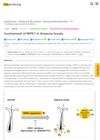
RIPK1 inhibitors might help prevent alopecia areata.
1 citations
,
July 2025 in “Clinical and Experimental Dermatology” Deucravacitinib led to full hair regrowth in a severe alopecia areata patient.