 9 citations
,
June 1947 in “Analytical Chemistry”
9 citations
,
June 1947 in “Analytical Chemistry” Cold waving solutions quickly reduce cystine to cysteine in hair.
70 citations
,
June 1998 in “Polymer” Permanent waving damages hair by disrupting its keratin structure.
 24 citations
,
June 2020 in “Industrial Crops and Products”
24 citations
,
June 2020 in “Industrial Crops and Products” Activated carbon fibers from Metaplexis japonica seed hair are highly effective for removing the dye methylene blue from water.
 January 2013 in “Sen'i Gakkaishi”
 Microfibrils are key for permanent waves, and hydrolyzed keratin improves wave formation and hair condition.
Oxidized hair can naturally regain strength and stability over six months.
 April 2023 in “Research Square (Research Square)”
 Lower GPX4 mRNA levels are linked to higher disease activity and symptoms in lupus patients.
 98 citations
,
April 1997 in “The Journal of Steroid Biochemistry and Molecular Biology”
98 citations
,
April 1997 in “The Journal of Steroid Biochemistry and Molecular Biology” Finasteride effectively blocks rat enzymes, but with varying methods and strength.
 38 citations
,
October 2011 in “Analytical biochemistry”
38 citations
,
October 2011 in “Analytical biochemistry” Hair proteins have weak spots in their α-helical segments.
 20 citations
,
September 2018 in “Journal of colloid and interface science”
20 citations
,
September 2018 in “Journal of colloid and interface science” Modified keratin binds better to hair, especially bleached hair.
 20 citations
,
July 1988 in “Clinics in dermatology”
20 citations
,
July 1988 in “Clinics in dermatology” Thioglycolate lotions are the most popular method for permanent waving and hair straightening.
 18 citations
,
January 2008 in “Sen'i Gakkaishi”
18 citations
,
January 2008 in “Sen'i Gakkaishi” Thioglycolic acid and L-cysteine change hair structure differently during perms, affecting hair strength and curling efficiency.
 12 citations
,
March 1995 in “Journal of the American Chemical Society”
12 citations
,
March 1995 in “Journal of the American Chemical Society” Finasteride modifies 5-alpha-reductases through a two-step process, affecting inhibitor potency and possibly causing side effects.
 4 citations
,
January 2015 in “Sen'i Gakkaishi”
4 citations
,
January 2015 in “Sen'i Gakkaishi” Hair and wool strength is affected by the number and type of bonds in their protein structures, with hair having more protein aggregates than wool.
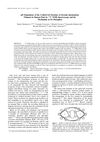 7 citations
,
February 1998 in “Polymer journal”
7 citations
,
February 1998 in “Polymer journal” Keratin structure in hair is stable at pH 5-6 but disrupts between pH 6-7.

Managing oxidative stress and inflammation is crucial for better hair transplant results.
January 2018 in “ScholarWorks @UVM (University of Vermont)” Selenium in proteins helps prevent over-oxidation and supports chemical reversibility.
9 citations
,
March 2019 in “Molecular & cellular proteomics” Reductive stress messes up collagen balance and alters cell signaling in human skin cells, which could help treat certain skin diseases.
31 citations
,
February 2007 in “Journal of Structural Biology” Oxidation changes the structure of hair protein filaments, causing them to compact and rearrange.
 November 2023 in “Journal of the American Academy of Dermatology”
 Skin of color can spontaneously repigment after a phenol-croton oil chemical peel.
 August 2015 in “Free Radical Biology and Medicine”
 Some treatments can improve skin's defense against damage, but overuse may cause other skin problems.
75 citations
,
March 2007 in “Journal of Biological Chemistry” QSOX enzymes help form protein bonds in cells, especially in tissues with high secretory activity.
 2 citations
,
January 2015 in “Sen'i Gakkaishi”
2 citations
,
January 2015 in “Sen'i Gakkaishi” Washing permed hair after using thioglycolic acid helps reform strong bonds, making hair stronger.
June 1992 in “The Journal of dermatologic surgery and oncology” 36 citations
,
June 2016 in “Journal of dermatological treatment” The combination therapy significantly improved Riehl’s melanosis in patients without serious side effects.
29 citations
,
March 2022 in “Biomedicines” Enhancing antioxidant responses can improve treatments for various diseases.
 March 2026 in “Research Square”
 Polymer dot nanozymes and exosomes, with laser stimulation, speed up wound healing.
 280 citations
,
July 2018 in “Antioxidants”
280 citations
,
July 2018 in “Antioxidants” Treatments that reduce oxidative stress and fix mitochondrial problems may help heal chronic wounds.
 April 2023 in “Journal of Investigative Dermatology”
 Type 2 inflammation helps wound healing by switching immune cells to repair mode.
 January 2024 in “International Journal of Cosmetic Science”
 A new method using 1,4-n-butylene dimaleate effectively repairs and strengthens damaged hair.
79 citations
,
January 1999 in “Dermatologic surgery” Different skin treatments work best for different levels of wrinkles and sun damage.