 January 2005 in “Seibutsu Butsuri/Seibutsu butsuri”
 Chemical treatments damage hair more than UV exposure, making it thinner and less flexible.
 51 citations
,
January 2006 in “Wound Repair and Regeneration”
51 citations
,
January 2006 in “Wound Repair and Regeneration” MRL/MpJ mice's skin wounds heal with scars, unlike their ear wounds which can regenerate.
 53 citations
,
October 2014 in “Free radical biology & medicine”
53 citations
,
October 2014 in “Free radical biology & medicine” Defective mitochondrial DNA replication causes aging symptoms and increased oxidative damage in mice.
1 citations
,
June 2021 in “bioRxiv (Cold Spring Harbor Laboratory)” UV exposure harms skin by causing fibroblast loss, but T cells help fibroblast survival.
September 2021 in “CRC Press eBooks” Traumatic alopecia causes hair loss from pulling or rubbing, leading to broken hairs and changes in the scalp.
 33 citations
,
March 2006 in “Seminars in cutaneous medicine and surgery”
33 citations
,
March 2006 in “Seminars in cutaneous medicine and surgery” The document explains how to identify different hair problems using a microscope.
 March 2026 in “bioRxiv (Cold Spring Harbor Laboratory)”
 Spiny mice have a unique skin structure that helps them heal and regenerate quickly.
 14 citations
,
October 2020 in “Scientific reports”
14 citations
,
October 2020 in “Scientific reports” Hair greying is linked to reduced ATM protein in hair cells, which protects against stress and damage.
1 citations
,
January 2024 in “Microorganisms” Mice with a virus similar to COVID-19 had skin damage, but a special treatment helped repair it.
 November 2022 in “Journal of Investigative Dermatology”
 Aging in one type of stem cell can cause aging-like changes in various organs.
18 citations
,
September 1994 in “Clinical and Experimental Dermatology” Localized trichorrhexis nodosa is a hair condition where hair becomes fragile and breaks easily due to damage.
Multiphoton microscopy can effectively distinguish between scarring and non-scarring alopecia.
April 2026 in “Journal of Investigative Dermatology” Mechanotransduction aids healthy wound healing by promoting specific fibroblasts.
January 2014 in “한국미용학회지” UV-A radiation significantly damages semi-permanent dyed hair.
 28 citations
,
March 2017 in “Endocrinology”
28 citations
,
March 2017 in “Endocrinology” Removing vitamin D and calcium receptors in mice skin cells slows down skin wound healing.
54 citations
,
December 2011 in “American Journal Of Pathology” A Gsdma3 mutation causes hair loss due to stem cell damage from skin inflammation.
 688 citations
,
June 2007 in “Cell Stem Cell”
688 citations
,
June 2007 in “Cell Stem Cell” Removing the ATR gene in adult mice causes rapid aging and stem cell loss.
 May 2026 in “Journal of the Egyptian Womenʼs Dermatologic Society”
 Microneedling radiofrequency improves skin texture and tone by stimulating collagen and elastin.
 39 citations
,
January 2011 in “Archives of Dermatology”
39 citations
,
January 2011 in “Archives of Dermatology” Reflectance confocal microscopy confirms that yellow dots are signs of damaged hair follicles in alopecia areata.
 January 2025 in “Advances in Dermatology and Allergology”
 Micro-needling helps deliver substances deeper into the skin and promotes skin repair.
3 citations
,
January 2002 in “Actas Dermo-Sifiliográficas” Excessive minoxidil use can damage hair structure.
 1 citations
,
August 2023 in “Genome research”
1 citations
,
August 2023 in “Genome research” The spiny mouse regenerates ear tissue asymmetrically, with gene expression differences possibly explaining its unique healing abilities.
 23 citations
,
October 2021 in “Cell Stem Cell”
23 citations
,
October 2021 in “Cell Stem Cell” Hair thinning causes stem cell loss through a process involving Piezo1, calcium, and TNF-α.
July 2025 in “Microscopy and Microanalysis” Intermittent compression therapy is safe and doesn't harm tissue.
65 citations
,
August 2013 in “Acta Biomaterialia” The new matrix improves skin regeneration and graft performance.
 31 citations
,
November 2016 in “Cell Reports”
31 citations
,
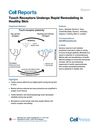
November 2016 in “Cell Reports” Touch sensitivity in mouse skin decreases during hair growth due to changes in touch receptors.
November 2024 in “Journal of Investigative Dermatology” July 2023 in “Media Dermato Venereologica Indonesiana” Accurate diagnosis of RDEB-mitis in older adults is crucial for proper management without immunosuppressants.
3 citations
,
May 2025 in “Lasers in Surgery and Medicine” Microneedle radiofrequency helps skin repair and rejuvenate by activating fibroblasts and remodeling the skin's structure.
 4 citations
,
January 2025 in “Translational Psychiatry”
4 citations
,
January 2025 in “Translational Psychiatry” Remote photobiomodulation improves brain injury outcomes and behavior in rats.