Search
for
Sort by
Research
150-180 / 1000+ resultsresearch Dupilumab treatment for atopic dermatitis leading to unexpected treatment for alopecia universalis
A medication for skin rash also unexpectedly treated hair loss in a patient.
research 413 DC-HIL+ myeloid-derived suppressor cells are elevated in the peripheral blood and lesional skin of cutaneous lupus patients
Cutaneous lupus patients have higher levels of certain immune cells in their blood and skin.
research Evolution of Ritlecitinib Population Pharmacokinetic Models During Clinical Drug Development
Ritlecitinib shows promise as a versatile treatment for various autoimmune and inflammatory diseases.
research Patient Profile and Treatment Characteristics of Early Ritlecitinib Initiators in the US
Ritlecitinib provides new treatment options for diverse alopecia areata patients.
research Comprehensive Safety Exposure‐Response Analysis to Support Ritlecitinib Dose Selection
A 50 mg non-loading dose of ritlecitinib is safe for adults and adolescents.
research Long-Term Efficacy and Safety of Ritlecitinib in Adults and Adolescents with Alopecia Areata: 3-Year Results from the ALLEGRO Phase 2b/3 and ALLEGRO-LT Phase 3 Clinical Studies
Ritlecitinib is effective and safe for long-term use in treating severe alopecia areata in people aged 12 and older.
research Tralokinumab Treatment in Adult Atopic Dermatitis Patients: 28‐Week Evaluation of Clinical Effectiveness, Safety, Serum Proteins and Total IgE Levels
Tralokinumab effectively improved atopic dermatitis symptoms in most patients, but some stopped due to side effects like hair loss.
research Ritlecitinib in Alopecia Areata: A 24‐Week Real‐World Experience Contrasting JAK Inhibitor‐Naïve and JAK Inhibitor‐Experienced Patients
Ritlecitinib effectively reduces hair loss in JAK inhibitor-naïve alopecia areata patients.
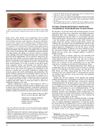
research Severe steroid-dependent idiopathic angioedema with response to rituximab
A woman with severe angioedema improved significantly after treatment with rituximab.
research Pooled safety and tolerability data from four placebo-controlled teriflunomide studies and extensions
Teriflunomide is safe and tolerable for treating relapsing-remitting multiple sclerosis, with manageable side effects.
research Vitiligo-like depigmentation with perifollicular pigment retention in systemic sclerosis treated successfully with suplatast tosilate
Suplatast tosilate successfully treated a woman's systemic sclerosis symptoms.
research Efficacy and safety of ritlecitinib in adolescents with alopecia areata: Results from the ALLEGRO phase 2b/3 randomized, double‐blind, placebo‐controlled trial
Ritlecitinib effectively regrows hair in adolescents with alopecia areata and is safe.
research Multiomic Characterization of Treatment Response to JAK Inhibition in Patients with APECED
Ruxolitinib reduced inflammation and improved symptoms in APECED patients but may cause anemia and weight gain.
research Recalcitrant lichen planopilaris treated with upadacitinib: a case series
Upadacitinib may effectively treat resistant lichen planopilaris.
research Finasteride/flibanserin
research Using patient preference to inform ritlecitinib dose selection for alopecia areata treatment
Patients prefer the higher 50 mg dose of ritlecitinib for better hair regrowth despite higher risks.
research Supplementary Material for: TOFACITINIB IN OVERLAPPING AUTOIMMUNE AND AUTOINFLAMMATORY DISORDERS: A CASE REPORT OF A DUAL GRAHAM-LITTLE-PICCARDI-LASSEUR SYNDROME AND HIDRADENITIS SUPPURATIVA
Tofacitinib significantly improved hair loss and lesions in a patient with overlapping autoimmune disorders.
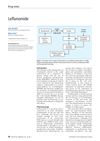
research Leflunomide
Leflunomide is effective for rheumatoid arthritis but has significant side effects.
research Appearance of alopecia areata during treatment with tildrakizumab for severe palmoplantar psoriasis
Tildrakizumab may cause alopecia areata, but stopping it and using corticosteroids can regrow hair.
research Oral isotretinoin for acne
Oral isotretinoin may slightly improve acne but increases the risk of side effects like dry lips and skin; more research is needed to understand its full risks and benefits.
research Ritlecitinib: First Approval
Ritlecitinib is approved in the USA and Japan for treating severe hair loss in people aged 12 and older.
research AB0326 REAL-WORLD EXPERIENCE ON SWITCHING ADALIMUMAB ORIGINATOR TO BIOSIMILAR IN INFLAMMATORY ARTHRITIS – A RETROSPECTIVE STUDY
Most patients successfully switched from the original adalimumab to a biosimilar with few reverting due to reduced effectiveness or side effects.
research Adalimumab‐induced scalp psoriasis with severe alopecia
Stopping adalimumab and starting methotrexate with topical treatments improved the woman's scalp psoriasis and hair regrew.
research A meta-analysis of the effectiveness and safety of Sintilimab combined with chemotherapy in the trea tment of advanced non-small cell lung cancer
Sintilimab with chemotherapy improves survival and response in advanced lung cancer but increases some side effects.
research Ritlecitinib: Efficacy of a Novel Therapy for Severe Alopecia Areata in Patients Aged 12 Years and Older
Ritlecitinib is effective and safe for treating severe alopecia areata in people aged 12 and older.
research Biochemical properties of red tilapia (Oreochromis niloticus) protein hydrolysates.
Tofacitinib effectively treated a woman's severe symptoms from a rare autoimmune condition.
research Pediatric Clinical Trial Program in Progress: A Phase 3 Study and Long-term Extension Study to Evaluate the Efficacy and Safety of Ritlecitinib in Children 6 to <12 years of Age With Severe Alopecia Areata
Ritlecitinib is being tested for safety and effectiveness in young children with severe alopecia areata.
research 0870 Improving the stability of retinol: Overcoming obstacles through solid lipid particle technology
Solid Lipid Particle technology makes retinol more stable, effective, and gentle on the skin.
research Sustained hair regrowth with ritlecitinib to Week 48 in patients with alopecia areata: post hoc analysis of the ALLEGRO phase 2b/3 study
Ritlecitinib helped most alopecia areata patients regrow hair by Week 48.