Isotretinoin is recommended for acne treatment as it is as effective as cyproterone compound.
 September 2020 in “Journal of Education, Health and Sport”
 Most patients on isotretinoin for acne experience mild, dose-related side effects, but the connection to depression or bowel disease is uncertain.
3 citations
,
August 2021 in “Nutrition research” Estrogen affects how vitamin A is processed in mouse skin, which may impact acne treatment, hair growth, and skin defense.
35 citations
,
April 1937 in “The journal of nutrition/The Journal of nutrition” Flavin prevents cataracts in young rats.
 1 citations
,
March 2024 in “Science”
1 citations
,
March 2024 in “Science” Vitamin A helps skin stem cells decide their function, aiding in hair growth and wound repair.
January 2026 in “Annals of Dermatology” Alitretinoin may help treat mild to moderate alopecia areata.
January 2026 in “Annals of Medicine and Surgery” 1 citations
,
November 2022 in “International journal of trichology” A girl with a rare skin condition improved after one month of treatment with acitretin.
 October 2014 in “Journal of skin and stem cell”
 Elidel combined with tretinoin is more effective for treating alopecia areata than Elidel alone.
 4 citations
,
October 2024 in “American Journal of Clinical Dermatology”
4 citations
,
October 2024 in “American Journal of Clinical Dermatology” Ritlecitinib improved hair regrowth and emotional well-being in some alopecia areata patients.
23 citations
,
June 1992 in “PubMed” RAR-gamma 1 is important for normal skin maintenance and differentiation.
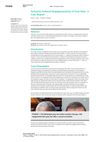
Acitretin treatment unexpectedly darkened a patient's gray hair.
 August 2018 in “Journal of The American Academy of Dermatology”
 A 5-year-old girl with a rare skin disorder was effectively treated with skin creams instead of oral medication.
 61 citations
,
April 2014 in “Radiation Research”
61 citations
,
April 2014 in “Radiation Research” RTA 408 cream protects mice from radiation skin damage.
 3 citations
,
October 2024 in “Advances in Therapy”
3 citations
,
October 2024 in “Advances in Therapy” Triptorelin effectively treats central precocious puberty in Chinese children with minimal side effects.
January 1992 in “Biology of the Cell” Retinoic acid receptors are important for hair follicle development.
 1 citations
,
December 2022 in “Archives of Dermatological Research”
1 citations
,
December 2022 in “Archives of Dermatological Research” Acne treatment with isotretinoin increases the presence of p53, a protein, in skin and oil glands, which may help reduce acne severity.
 6 citations
,
October 2018 in “Drug safety - case reports”
6 citations
,
October 2018 in “Drug safety - case reports” Alitretinoin may cause irreversible hair curling as a side effect.
 37 citations
,
January 2013 in “Postepy Dermatologii I Alergologii”
37 citations
,
January 2013 in “Postepy Dermatologii I Alergologii” Isotretinoin effectively reduces acne but causes dry skin, higher skin pH, more redness, and hair loss.
 51 citations
,
March 2014 in “Nature Communications”
51 citations
,
March 2014 in “Nature Communications” Skin tumor regression is helped by retinoic acid signaling blocking Wnt signaling.
 February 2023 in “Cosmoderma”
 Combining red LED therapy with beta-carotene is more effective for treating photoaging than red LED therapy alone.
9 citations
,
July 2019 in “Dermatologic therapy” Alitretinoin can effectively treat frontal fibrosing alopecia.
 9 citations
,
October 2018 in “Journal of Cosmetic Dermatology”
9 citations
,
October 2018 in “Journal of Cosmetic Dermatology” Isotretinoin at a low dose for three months does not significantly affect hair growth.
 5 citations
,
March 2021 in “International Journal of Dermatology”
5 citations
,
March 2021 in “International Journal of Dermatology” Biotin supplementation during isotretinoin treatment for acne may help maintain skin hydration and improve hair growth.
54 citations
,
September 2012 in “The journal of investigative dermatology/Journal of investigative dermatology” Vitamin A affects hair loss and immune response in alopecia areata.
 20 citations
,
January 2000 in “Dermatologic Clinics”
20 citations
,
January 2000 in “Dermatologic Clinics” New psoriasis treatments are effective but come with side effects and risks.
 January 2024 in “American journal of clinical dermatology”
 Ritlecitinib is safe and well-tolerated for treating alopecia areata in patients aged 12 and older.
 March 2005 in “Journal of the American Academy of Dermatology”
 Bexarotene 1% topical gel helped some patients with alopecia areata regrow hair.
January 2011 in “The Journal of Secondary Vocational Education” Isotretinoin treatment in teens with acne can cause hormonal changes, leading to menstrual irregularity and increased hirsutism.
Combining ATRA with TPO-RA effectively stabilizes platelet counts in ITP patients.