 25 citations
,
May 2016 in “Progress in Biophysics & Molecular Biology”
25 citations
,
May 2016 in “Progress in Biophysics & Molecular Biology” R-spondins and their receptors help increase bone growth and may be used to treat bone loss diseases.
 33 citations
,
February 2016 in “Journal of Experimental Botany”
33 citations
,
February 2016 in “Journal of Experimental Botany” ROOT HAIR SPECIFIC 10 (RHS10) reduces the length of root hairs in Arabidopsis plants.
June 2025 in “Acta Dermato Venereologica” Low-dose Ritlecitinib may help children with stubborn Alopecia Areata.
November 2025 in “Journal of Investigative Dermatology” Ritlecitinib effectively treats severe Alopecia Areata by reducing harmful immune activity in the skin.
January 2014 in “Journal of Guangdong Pharmaceutical University” The new rabbit model better mimics human acne symptoms.
4 citations
,
June 2024 in “Journal of Cosmetic Dermatology” Fractional radiofrequency effectively and safely improves rosacea symptoms.
January 2026 in “Journal of Dermatology & Dermatologic Surgery” Ruxolitinib helped a man regrow hair after other treatments failed.
Recognize Rapunzel syndrome in children with unexplained stomach issues for timely treatment.
 38 citations
,
January 2023 in “International Journal of Medical Sciences”
38 citations
,
January 2023 in “International Journal of Medical Sciences” Red-light therapy may slow myopia progression better than traditional treatments.
75 citations
,
July 2016 in “New phytologist” The protein RSL4 is crucial for making root hairs longer by controlling genes related to cell growth.
10-20% of mouse Tregs have dual TCRs, suggesting potential functional benefits.
62 citations
,
December 2007 in “Journal of Cellular and Molecular Medicine” Kremen is crucial for proper development and preventing tumors by regulating Wnt signaling.
25 citations
,
September 2005 in “Journal of the American Academy of Dermatology” Rapp-Hodgkin syndrome, AEC, and EEC are different expressions of the same genetic disorder caused by TP63 gene mutations.

Rosacea may be linked to gut and brain issues, not just a skin problem.
 July 2005 in “SKINmed/Skinmed”
 BRL 7660, once studied for male contraception, showed promise as an acne treatment but was not developed further due to competing drugs.
14 citations
,
April 2024 in “The Journal of Steroid Biochemistry and Molecular Biology” 5α-reductases increase epitestosterone's effect on androgen receptors.
Defective protein folding due to a mutation is key in ANE syndrome.
The protein's size was reduced, but more work is needed to confirm its function.
RNase L hinders hair follicle regeneration by altering immune signals.
 6 citations
,
January 2018 in “Acta dermatovenerologica Alpina, Pannonica et Adriatica (Tiskana izd.)”
6 citations
,
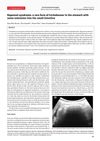
January 2018 in “Acta dermatovenerologica Alpina, Pannonica et Adriatica (Tiskana izd.)” An 8-year-old girl with Rapunzel syndrome had a hairball removed from her stomach and intestines and recovered well after surgery.
November 2025 in “OPAL (Open@LaTrobe) (La Trobe University)” A new treatment effectively kills antibiotic-resistant bacteria and helps wounds heal faster by boosting the immune response.
23 citations
,
October 2008 in “Journal of medicinal chemistry” PF-998425 is a new, effective, and non-phototoxic treatment for skin conditions related to androgens.
July 2025 in “Journal of Investigative Dermatology” TRIV-509 quickly improves skin barrier and cell health in atopic dermatitis.
75 citations
,
March 2007 in “Journal of Biological Chemistry” QSOX enzymes help form protein bonds in cells, especially in tissues with high secretory activity.
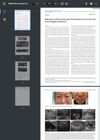 July 2022 in “Skin research and technology”
 Skin CT can help diagnose rosacea by identifying specific skin features, but should be used with clinical signs to avoid misdiagnosis.
 October 2025 in “Dermatology and Therapy”
 Ritlecitinib is being tested for effectiveness and safety in treating severe alopecia areata.
 4 citations
,
December 2013 in “British Journal of Dermatology”
4 citations
,
December 2013 in “British Journal of Dermatology” ESR2 gene linked to female-pattern hair loss.
July 2023 in “Media Dermato Venereologica Indonesiana” Accurate diagnosis of RDEB-mitis in older adults is crucial for proper management without immunosuppressants.
37 citations
,
June 2004 in “Human molecular genetics online/Human molecular genetics” The HCR gene contributes to psoriasis risk.
March 2023 in “Reactions Weekly”