
Plakophilin 1 helps control skin cell immune responses to prevent excessive inflammation.
18 citations
,
February 2007 in “Journal of Investigative Dermatology” Deleting Rac1 in the skin depletes stem cells and damages hair follicles.
January 2011 in “Junshi yixue” Longer exposure to high-power millimeter wave radiation causes more severe skin damage in mice.
6 citations
,
June 2016 in “Journal of cellular biochemistry” The Hr protein binds to DNA, interacts with p53, and affects cell cycle genes.
January 1993 in “Claves de razón práctica” ROR2 is crucial for hair follicle stem cell maintenance and self-renewal.
 277 citations
,
July 2002 in “Molecular Endocrinology”
277 citations
,
July 2002 in “Molecular Endocrinology” Removing part of the vitamin D receptor stops vitamin D from working properly.
January 1997 in “Purdue e-Pubs (Purdue University)” Whole hair strands can reliably measure gamma ray exposure using ESR techniques, but samples should be analyzed quickly or stored in liquid nitrogen.
 3 citations
,
January 2004 in “Sen i Gakkaishi”
3 citations
,
January 2004 in “Sen i Gakkaishi” DTDG in hair treatments reduces damage and preserves hair structure.
 1 citations
,
March 2004 in “Journal of the American Academy of Dermatology”
1 citations
,
March 2004 in “Journal of the American Academy of Dermatology” ZD1839, a cancer drug, can cause mild skin rashes that are treatable without stopping the medication.
 59 citations
,
January 2013 in “Annals of Dermatology”
59 citations
,
January 2013 in “Annals of Dermatology” Asian hair is more resistant to UV damage due to higher lipid content.
The balance between cell renewal and differentiation controls the growth of cancerous cells in mouse skin.
1 citations
,
November 2022 in “Journal of Investigative Dermatology” ALRN-6924 may prevent hair loss caused by chemotherapy.
 March 2010 in “Ejc Supplements”
 ROR-alpha may increase the growth of certain breast cancer cells by boosting aromatase, which could affect breast cancer prognosis.
 1 citations
,
January 2023 in “Cutis”
1 citations
,
January 2023 in “Cutis” You might not need to stop cancer treatment if you get a rare skin reaction from EGFR inhibitors, as skin treatments can help manage it.
March 2024 in “Preprints.org” Activated protein C helps protect mice from radiation damage.
 10 citations
,
November 2015 in “Experimental Dermatology”
10 citations
,
November 2015 in “Experimental Dermatology” Skin RAGE levels are linked to inflammation and cell death.
April 2022 in “Book Publisher International (a part of SCIENCEDOMAIN International)” Catalase in processed meats may emit electromagnetic fields that increase cancer risk.
20 citations
,
January 2017 in “Experimental Dermatology” Igf1r helps regulate hair growth cycles.
23 citations
,
May 2010 in “Surface and interface analysis” Chemical treatments and UV radiation severely damage the lipid layer on hair.
 November 2022 in “Journal of Investigative Dermatology”
 Most Recessive Dystrophic Epidermolysis Bullosa patients with a specific mutation likely have Sephardic ancestry from about 500 years ago.
Skin cells can naturally limit the growth of cancerous changes by balancing cell renewal and differentiation.
 7 citations
,
June 2016 in “Bone Research”
7 citations
,
June 2016 in “Bone Research” A Chinese family had a child with a specific gene mutation causing vitamin D-resistant rickets, but the child improved with calcium and low-dose calcitriol.
November 2024 in “Journal of Investigative Dermatology” Understanding snoRNA regulation may help slow skin aging.
 10 citations
,
March 2014 in “Scandinavian journal of clinical and laboratory investigation”
10 citations
,
March 2014 in “Scandinavian journal of clinical and laboratory investigation” Malondialdehyde-modified DNA may trigger an immune response in alopecia areata patients.
70 citations
,
June 1998 in “Polymer” Permanent waving damages hair by disrupting its keratin structure.
 April 2023 in “Journal of Investigative Dermatology”
 Dimethyl fumarate speeds up wound healing in IL-36Ra deficient mice by reducing NET formation and oxidative stress.
 4 citations
,
January 2017 in “Journal of pediatric endocrinology & metabolism/Journal of pediatric endocrinology and metabolism”
4 citations
,
January 2017 in “Journal of pediatric endocrinology & metabolism/Journal of pediatric endocrinology and metabolism” Two different mutations in the vitamin D receptor gene cause different symptoms and responses to treatment in Lebanese patients with hereditary rickets.
 June 2018 in “Journal of Dermatological Science”
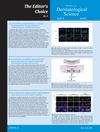
 UV radiation may cause DNA changes in skin, certain UVB therapy helps psoriasis, a new gene mutation is linked to mild piebaldism, different immune cells affect psoriasis, a drug promotes hair growth, and some cancer drugs could treat skin barrier issues.
 9 citations
,
January 2011 in “EXPERIMENTAL ANIMALS”
9 citations
,
January 2011 in “EXPERIMENTAL ANIMALS” A new rat strain with a specific gene mutation causes hair loss and kidney issues.
April 2025 in “Molecular Biology Reports” DNMT1 may help treat hypospadias by improving cell function and preventing unwanted cell changes.