February 2014 in “PubMed” Modified rat hair follicle stem cells can help create artificial hair follicles, blood vessels, and skin.
1 citations
,
August 2015 in “AACE Clinical Case Reports” A new gene mutation causes complete androgen insensitivity in a 16-year-old with a female appearance.
1 citations
,
October 2024 in “Medicina” CLEC4D gene variants may increase the risk of alopecia areata in Jordanians.
 42 citations
,
September 2007 in “The Journal of Clinical Endocrinology and Metabolism”
42 citations
,
September 2007 in “The Journal of Clinical Endocrinology and Metabolism” The research found that polycystic ovary syndrome (PCOS) has two distinct types, with one having more severe hormone and insulin issues.
 November 2023 in “The journal of investigative dermatology/Journal of investigative dermatology”
 ARQ-234, a protein designed to treat atopic dermatitis, shows increased effectiveness in early testing.
125 citations
,
August 2003 in “Development” Mice with human-like EGFR had growth issues, skin defects, heart problems, and unusual bone development.
 January 2024 in “Clinical, cosmetic and investigational dermatology”
 A child with a rare vitamin D-resistant condition improved with treatment.
Skin cells can naturally limit the growth of cancerous changes by balancing cell renewal and differentiation.
November 2022 in “Journal of Investigative Dermatology” NCSTN gene mutation causes abnormal skin cell differentiation and more inflammation, contributing to Hidradenitis Suppurativa.
18 citations
,
February 1992 in “Molecular Biology Reports” A specific type II hair keratin was identified and found in hair cortex and tongue cells.
 5 citations
,
January 2022 in “Asian Pacific Journal of Cancer Prevention”
5 citations
,
January 2022 in “Asian Pacific Journal of Cancer Prevention” Certain VDR gene changes can affect melanoma risk.
88 citations
,
August 1998 in “Carcinogenesis” High levels of ODC and a mutant Ha-ras gene cause tumors in mice.
 July 2022 in “Journal of Investigative Dermatology”
 IL-15 helps maintain hair growth and protects the immune status of hair follicles.
 November 2009 in “Journal of Pediatric Nursing”
 Nonclassic congenital adrenal hyperplasia is a common genetic disorder that can cause a range of symptoms and requires personalized treatment.
70 citations
,
December 2008 in “Cancer Research” CXCR2 in skin cells promotes tumor growth.
July 2017 in “Cancer Research” Krt15+ cells in mice can resist radiation, regenerate tissue, and start tumors, suggesting new cancer treatment targets.
5 citations
,
March 2011 in “Journal of proteomics” Histone H4, released by cells exposed to colchicine, can cause hair loss by inhibiting cell growth and enzyme activity.
 May 2015 in “Journal of Dermatological Science”
 Researchers found a new area on chromosome 2 linked to a genetic hair loss condition.
33 citations
,
February 2012 in “British Journal of Dermatology” Mutations in the p63 gene affect skin adhesion, barrier integrity, and hair growth.
 December 2024 in “Animals”
 RORA may help regulate hair growth by affecting hair follicle stem cells.
 10 citations
,
June 2005 in “The journal of investigative dermatology/Journal of investigative dermatology”
10 citations
,
June 2005 in “The journal of investigative dermatology/Journal of investigative dermatology” FP-1 is a key protein in rat hair growth, active only during the growth phase.
March 2008 in “Faculty Opinions – Post-Publication Peer Review of the Biomedical Literature” Local positive feedback helps shape root hair cells by stabilizing growth sites.
3 citations
,
March 2017 in “Pediatric Dermatology” FOXN1 duplication can cause excessive hair growth.
 1 citations
,
August 2012 in “Journal der Deutschen Dermatologischen Gesellschaft”
1 citations
,
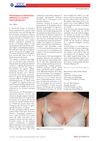
August 2012 in “Journal der Deutschen Dermatologischen Gesellschaft” A woman's hyperandrogenism was caused by a genetic mutation leading to non-classic adrenogenital syndrome.
354 citations
,
August 1991 in “Molecular Endocrinology” Human adrenals and gonads have a unique enzyme for steroid hormone production.
2 citations
,
January 1993 Trichohyalin is a versatile protein involved in hair and skin structure.
44 citations
,
May 1997 in “Journal of Biological Chemistry” The human keratin 6a gene's specific sequences trigger expression in skin layers after injury.
 20 citations
,
August 2017 in “PLoS ONE”
20 citations
,
August 2017 in “PLoS ONE” 61 functional keratin genes were identified in dogs and horses, leading to updated gene annotations.
April 2026 in “Journal of Cutaneous Pathology” Alopecia can be caused by multicentric reticulohistiocytosis.
The vitamin D receptor has many roles in the body beyond managing calcium, affecting the immune system, hair growth, muscles, fat, bone marrow, and cancer cells.