 November 2023 in “The journal of investigative dermatology/Journal of investigative dermatology”
 ARQ-234, a protein designed to treat atopic dermatitis, shows increased effectiveness in early testing.
25 citations
,
September 2005 in “Journal of the American Academy of Dermatology” Rapp-Hodgkin syndrome, AEC, and EEC are different expressions of the same genetic disorder caused by TP63 gene mutations.
6 citations
,
October 2024 in “Frontiers in Bioengineering and Biotechnology” A special hydrogel helps stem cells heal wounds better by boosting growth factors.
 March 2020 in “Journal of lasers in medical sciences”
 Laser therapy on human skin affects the HERC6 gene and related genes, influencing many cell processes and requiring careful safety measures.
 46 citations
,
September 2013 in “PLOS ONE”
46 citations
,
September 2013 in “PLOS ONE” Thyrotropin-Releasing Hormone helps heal wounds in frog and human skin.
 March 2019 in “Journal der Deutschen Dermatologischen Gesellschaft”
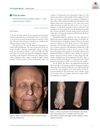
 Rothmund-Thomson syndrome type 2 can cause chronic, poorly healing wounds.
TNFα and interleukin-1 blockers reduce skin inflammation from EGFR antibody therapy.
January 1969 in “Santes Creus: Boletín del Archivo Bibliográfico de Santes Creus” Planarians regenerate using conserved gene expression mechanisms, with runt-1 crucial for cell type specification.
 May 2026 in “Scientific Reports”
 Overexpression of LRIG3 in skin causes hair loss.
May 2026 in “Journal of Human Immunity” Ruxolitinib reduced inflammation and improved symptoms in APECED patients but may cause anemia and weight gain.
 103 citations
,
June 2018 in “International Journal of Molecular Sciences”
103 citations
,
June 2018 in “International Journal of Molecular Sciences” FGF signaling is a promising target for developing treatments for wounds, metabolic diseases, and cancer.
 15 citations
,
April 2017 in “Hormones”
15 citations
,
April 2017 in “Hormones” Genetic defects in the glucocorticoid receptor gene can cause conditions with abnormal sensitivity to stress hormones, and other factors may also affect this sensitivity.
October 2024 in “OBM Transplantation” PRGF can improve acne and scars.
10 citations
,
September 2021 in “The FASEB Journal” ACKR2 helps prevent skin scarring and hair loss by controlling inflammation.
 January 2025 in “JCEM Case Reports”
 Diagnosing and managing Glucocorticoid Resistance Syndrome is complex due to genetic differences and varied symptoms.
 38 citations
,
April 2017 in “PLOS Genetics”
38 citations
,
April 2017 in “PLOS Genetics” GRHL3 is important for controlling gene activity in skin cells during different stages of their development.
9 citations
,
May 2002 in “PubMed” Retinoic acid affects skin and hair health by working with specific receptors, and its absence can lead to hair loss and skin changes.
107 citations
,
March 2014 in “BoneKEy Reports” Mutations in the vitamin D receptor cause hereditary vitamin D-resistant rickets, leading to poor bone health and requiring high calcium doses for treatment.
January 2001 in “Chinese Journal of Reparative and Reconstructive Surgery” EGF aids skin development and healing, while bFGF absence in embryos may allow scar-free healing.
 91 citations
,
May 2005 in “The Journal of Clinical Endocrinology & Metabolism”
91 citations
,
May 2005 in “The Journal of Clinical Endocrinology & Metabolism” A new mutation in the human glucocorticoid receptor reduces its function and causes resistance to glucocorticoids.
2 citations
,
November 2004 in “Blood” RXRa is crucial for Th2 immune cell development and may link nutrition to immune health.
September 2017 in “Griffith Research Online (Griffith University, Queensland, Australia)” Blocking IL-17 can reduce joint inflammation in Ross River Virus infections.
9 citations
,
July 2020 in “Cell Proliferation” Epiregulin can help hair grow and may be useful for treating hair loss.
1 citations
,
November 2024 in “Orphanet Journal of Rare Diseases” Changes in genes FGA, VWF, and ACTG1 may contribute to pemphigus vulgaris.
 January 2018 in “bioRxiv (Cold Spring Harbor Laboratory)”
 Researchers found key regions in the mouse hairless gene that control its activity in skin and brain cells, affecting hair follicle function.
15 citations
,
November 2024 in “Journal of Advanced Research” miR-3606-3p reduces skin fibrosis by blocking key signaling pathways.
23 citations
,
October 2015 in “Plastic and reconstructive surgery/PSEF CD journals” Radiesse is a versatile facial injectable used for cosmetic improvements and long-term collagen production, with careful dosing needed to prevent complications.
July 2024 in “Journal of Investigative Dermatology” CRISPR/Cas9 and prime editing can potentially fix skin disorder genes safely and effectively.
 5 citations
,
March 2019 in “Experimental dermatology”
5 citations
,
March 2019 in “Experimental dermatology” Activating TLR3 may help produce retinoic acid, important for tissue regeneration.
 April 2019 in “Journal of Investigative Dermatology”
 Researchers fixed gene mutations causing a skin disease in stem cells, which then improved skin grafts in mice.