Search
for
Sort by
Research
900-930 / 1000+ resultsresearch ANALYSIS OF THE BACKGROUND LEVEL OF CYTOKINES M1 AND M2 OF THE MACROPHAGE PHENOTYPE IN PATIENTS WITH REVISION RHINOPLASTY AFTER THE USE OF THE DRUG PDRN
PDRN may reduce inflammation and complications in revision rhinoplasty for patients with high fibrinogen levels.
research Dupilumab for a 5‐year‐old child with prurigo nodularis
Dupilumab significantly improved a 5-year-old girl's prurigo nodularis without side effects.
research Treatment of severe alopecia areata with baricitinib
Baricitinib helped a woman with severe hair loss regrow almost all her hair without side effects.
research Identification of a Novel Three-immunogene Diagnostic Signature for Alopecia Areata
A new diagnostic model can help better diagnose and understand Alopecia Areata.
research Modern Management Approaches for Alopecia Areata
Janus kinase inhibitors effectively treat alopecia areata but may cause relapses and have long-term safety concerns.
research Anticytokine therapy, particularly anti-IFN-γ, in Th1-mediated autoimmune diseases
Blocking interferon-gamma might help treat various autoimmune diseases.
research 5PSQ-117 Effectiveness of baricitinib in alopecia areata
Baricitinib effectively treats alopecia areata, with over half of patients improving after 52 weeks.
research Oral tofacitinib for recalcitrant lichen planus pigmentosus: A hospital-based retrospective study
Tofacitinib effectively improves lichen planus pigmentosus symptoms.
research 455 Beyond Immunity: TEC and JAK3 Kinase Activation in Melanocytes Drives Inflammation in Vitiligo
TEC kinases may help cause inflammation in vitiligo and could be targeted for treatment.
research The investigation of selective sphingosine-1 phosphate receptor 1&4 modulator to treat alopecia areata mouse model 2881
The S1PR 1&4 modulator may effectively treat alopecia areata by reducing hair loss and immune cell activity.
research In vivo evaluation of the efficacy, toxicity and biodistribution of PLGA-DMSA nanoparticles loaded with itraconazole for treatment of paracoccidioidomycosis
Itraconazole-loaded nanoparticles are more effective and less toxic for treating fungal infections than conventional oral itraconazole.
research Human insulin via MMP® for treating atrophic acne scars: a pilot study Insulina humana via MMP® para cicatrizes atróficas de acne: estudo piloto.
Human insulin via microinfusion may effectively improve atrophic acne scars.
research 026 Targeting pathogenic MICA-NKG2D interactions by statins: A novel adjunct treatment strategy for alopecia areata management?
Statins may help treat alopecia areata by reducing harmful immune interactions.
research Efficacy and Safety of Topical Tofacitinib for the Treatment of Alopecia Areata
Topical tofacitinib is effective and safe for treating alopecia areata.
research Review of Promising Off-Label Use of Deucravacitinib
Deucravacitinib may help treat various immune diseases beyond psoriasis, but more research is needed.
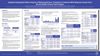
research Updated Integrated Safety Analysis of Ritlecitinib Over 72 Months In Patients With Alopecia Areata From the ALLEGRO Clinical Trial Program
Ritlecitinib is generally safe for alopecia areata patients over 72 months.
research Sustained hair regrowth with continued ritlecitinib treatment through week 48 in patients with alopecia areata with or without early target responses: Post hoc analysis of the ALLEGRO phase 2b/3 trial
Continued ritlecitinib treatment helps sustain hair regrowth in alopecia areata patients.
research A Review of the Systemic Impacts of Isotretinoin in People with Acne
Isotretinoin effectively treats severe acne but can affect blood and inflammation markers, posing risks for some people.
research 468 Use of calcitonin gene-related peptide monoclonal antibodies in patients with rosacea: An exploratory, comparative case series
CGRP MAbs treatment for migraines may also improve rosacea symptoms, but more research is needed to confirm its effectiveness and safety.
research Alopecia areata flare patterns in children and young adults while on systemic tofacitinib
Tofacitinib can regrow hair in alopecia areata patients, but some may experience flares during treatment.
research Tumor necrosis factor-induced alopecia: alternative pathology and therapy
TNF-inhibitor induced alopecia can be treated effectively with different therapies.
research Evaluation of Serum Inflammatory Markers and Their Relationship to Treatment Response in Alopecia Areata Patients
SII is a useful and affordable tool to assess and monitor alopecia areata.
research Off‐Label Use of Topical Ruxolitinib in Dermatology: A Systematic Literature Review and Current Perspectives
Topical ruxolitinib may help some skin conditions but needs more research for alopecia areata.
research Platelet-rich plasma combined with intralesional triamcinolone acetonide for the treatment of alopecia areata: A case report
Mixing platelet-rich plasma with triamcinolone acetonide can potentially improve hair regrowth in alopecia areata patients.
research Candida antigen immunotherapy versus steroid in the treatment of alopecia areata
Candida antigen is an effective and promising treatment for alopecia areata.
research Psoriasis in the limelight: the remarkable career of an old skin disease
Tofacitinib may be an effective and safe treatment for adolescent alopecia areata.
research A new combination of molecules for the treatment of androgenetic alopecia and telogen effluvium: a double-blind randomized, monocentric, placebo-controlled study
The combination of arginine and zinc reduces hair loss and increases hair growth effectively.
research Long-Term Efficacy of Ritlecitinib up to Month 24 From the ALLEGRO Phase 2b/3 and Long-Term Phase 3 Clinical Studies in Alopecia Areata
Ritlecitinib is effective for long-term treatment of severe alopecia areata.
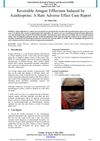
research Reversible Anagen Effluvium Induced by Azathioprine: A Rare Adverse Effect Case Report
Stopping azathioprine led to full hair regrowth and recovery in 2.5 months.