 April 2019 in “Journal of Investigative Dermatology”
 DPP4-positive fibroblasts play a major role in producing proteins that lead to skin fibrosis.
 April 2019 in “Journal of Investigative Dermatology”
 Removing REDD1 in mice increases skin fat by making fat cells larger and more numerous.
 April 2019 in “Journal of Investigative Dermatology”
 Fractional photothermolysis helps wounds heal with minimal scarring.
 April 2019 in “Journal of Investigative Dermatology”
 New vitamin D3 forms need the vitamin D receptor to reduce fibrosis in human cells.
 April 2019 in “Journal of Investigative Dermatology”
 BRG1 is essential for skin cells to move and heal wounds properly.
 November 2018 in “Atlas of genetics and cytogenetics in oncology and haematology”
 WNT10B is linked to cancer development and affects survival and disease progression in various cancers.
 January 2014 in “Journal of Investigative Dermatology”
 Proteins like aPKC and PDGF-AA, substances like adenosine and ATP, and adipose-derived stem cells all play important roles in hair growth and health, and could potentially be used to treat hair loss and skin conditions.
 May 2012 in “Nature Genetics”
 Blond hair in Solomon Islanders is due to a unique genetic variant, not European ancestry.
 October 2024 in “Open Repository of the University of Porto (University of Porto)”
 Pharmacists play a crucial role in personalized care and medication management.
 161 citations
,
August 2013 in “Journal of experimental botany”
161 citations
,
August 2013 in “Journal of experimental botany” Certain inhibitors slow down plant growth by causing early cell specialization without changing the cell development pattern.
 35 citations
,
October 2017 in “Trends in Molecular Medicine”
35 citations
,
October 2017 in “Trends in Molecular Medicine” Mice with enhanced regeneration abilities may help develop new regenerative medicine therapies.
 25 citations
,
June 2021 in “Developmental Cell”
25 citations
,
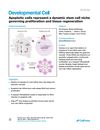
June 2021 in “Developmental Cell” Dying cells can help with faster healing and new hair growth by releasing a growth-promoting molecule.
 11 citations
,
May 2021 in “Journal of Medical Virology”
11 citations
,
May 2021 in “Journal of Medical Virology” Men are more likely to have severe respiratory viral infections like COVID-19 due to hormonal and genetic differences, while women generally have stronger immune responses.
 8 citations
,
May 2010 in “Dermatologic clinics”
8 citations
,
May 2010 in “Dermatologic clinics” New treatments for skin conditions in children include a preferred drug for birthmark reduction, proactive creams for eczema and vitiligo, a safe psoriasis medication, and special tissues and socks for eczema and fungal infections.

The meeting introduced new guidelines and resources for dermatology and venereology.
 135 citations
,
December 2015 in “Expert Opinion on Biological Therapy”
135 citations
,
December 2015 in “Expert Opinion on Biological Therapy” Exosomes could potentially enhance tissue repair and regeneration with lower rejection risk and easier production than live cell therapies.
 54 citations
,
November 2017 in “Scientific Reports”
54 citations
,
November 2017 in “Scientific Reports” The study found that certain microRNAs are higher in the cells and lower in the fluid of women with a specific type of polycystic ovary syndrome, and one microRNA could potentially help diagnose the condition.
 43 citations
,
February 2020 in “Clinica chimica acta”
43 citations
,
February 2020 in “Clinica chimica acta” Nano-sized plant-based chemicals could improve cervical cancer treatment by being more effective and causing fewer side effects than current methods.
 28 citations
,
January 2016 in “Vitamins and hormones”
28 citations
,
January 2016 in “Vitamins and hormones” Thymosin β4 helps improve skin healing and reduce scarring.
 14 citations
,
October 2018 in “Brain Research Bulletin”
14 citations
,
October 2018 in “Brain Research Bulletin” Exosomes help nerve fibers grow by affecting specific cell signaling pathways.
 10 citations
,
January 2016 in “Elsevier eBooks”
10 citations
,
January 2016 in “Elsevier eBooks” Nanoparticles can speed up wound healing and deliver drugs effectively but may have potential toxicity risks.
 5 citations
,
September 2010 in “Cancer Prevention Research”
5 citations
,
September 2010 in “Cancer Prevention Research” The research suggests new treatments for skin cancer could target specific cell growth pathways.
 1 citations
,
November 2025 in “Clinical and Experimental Medicine”
1 citations
,
November 2025 in “Clinical and Experimental Medicine” lncRNAs are important for understanding and treating skin diseases.
 June 2026 in “Frontiers in Immunology”
 Understanding tissue remodeling can help create precise treatments for various organ issues.
 December 2025 in “Clinical & Experimental Dermatology and Therapies”
 Cosmerna ARI effectively reduces hair loss and increases hair density in Europeans with androgenetic alopecia.
 November 2024 in “Communities in ADDI (University of the Basque Country)”
 Antisense oligonucleotides show promise for treating Myotonic Dystrophy type I.
 November 2023 in “Linköping University medical dissertations”
 Keratinocytes and adipose-derived stem cells can effectively heal difficult skin wounds.
 August 2023 in “Research Square (Research Square)”
 Two microRNAs affect hair follicle development in sheep by targeting specific genes.
 August 2019 in “Journal of Invertebrate Pathology”
 Thymosin beta 4 protects cells from damage by blocking a harmful microRNA and boosting a protective gene.
 January 2018 in “Stem cells in clinical applications”
 Exosomes show promise for tissue repair and regeneration with advantages over traditional cell therapies.