 2 citations
,
December 2020 in “JAMA Dermatology”
2 citations
,
December 2020 in “JAMA Dermatology” Radiotherapy is a good option when further surgery for skin cancer isn't preferred, but more research is needed to compare it with other methods.
February 2020 in “Spiral (Imperial College London)” Duodenal mucosal resurfacing did not improve insulin sensitivity or reproductive function in women with PCOS.
 219 citations
,
September 2009 in “European journal of epidemiology”
219 citations
,
September 2009 in “European journal of epidemiology” The Rotterdam Study aims to understand various diseases in older adults.
 5 citations
,
July 2022 in “Orphanet journal of rare diseases”
5 citations
,
July 2022 in “Orphanet journal of rare diseases” RSPO1 mutations in certain patients lead to skin cells that don't develop properly and are more likely to become invasive, increasing the risk of skin cancer.
42 citations
,
September 2003 in “Journal of Investigative Dermatology” A missing mK6irs1 gene causes hair loss in mice.
September 2024 in “Annals of Medicine and Surgery” Ritlecitinib is the first FDA-approved pill for treating significant hair loss in alopecia areata patients aged 12 and up.
36 citations
,
September 2015 in “Orphanet Journal of Rare Diseases” Revertant cell therapy could be a future treatment for Ichthyosis with confetti.
3 citations
,
October 1994 in “Medical Molecular Morphology” The lower part of rat vibrissa hair gets more blood and is well-protected for growth.
 April 2023 in “Journal of Investigative Dermatology”
 Acne patients have higher skin mTORC1 activity, which is reduced by isotretinoin treatment.
 January 2024 in “Jurnal Ilmu Kesehatan Hewan”
 The dog recovered well after treatment, showing no skin issues and normal hair growth.
22 citations
,
September 1993 in “Archives of Dermatology” The child has a scaly rash and fever, but tests show no infection.

A new syndrome, Teelwani Syndrome, combines features of two rare genetic disorders.
 52 citations
,
March 1979 in “Toxicology and Applied Pharmacology”
52 citations
,
March 1979 in “Toxicology and Applied Pharmacology” Minoxidil can cause heart muscle damage in dogs.
215 citations
,
September 2003 in “Journal of Biological Chemistry” Vitamin D receptor and hairless protein are essential for hair growth.
15 citations
,
May 1987 in “Fundamental and applied toxicology” SMR-2 and SMR-6 are much more toxic than retinoic acid, causing severe side effects.
 July 2023 in “Frontiers in Veterinary Science”
 Melatonin helps hair grow by activating the RORα receptor in goats.
1 citations
,
November 1975 in “PubMed” GRF is not safe for tubal occlusion.
 July 2025 in “SKIN The Journal of Cutaneous Medicine”
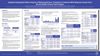
 Ritlecitinib is generally safe for alopecia areata patients over 72 months.
13 citations
,
April 1994 in “Baillière's clinical endocrinology and metabolism” Some people have genetic mutations that make them resistant to vitamin D, leading to rickets even with enough vitamin D intake.
 September 2023 in “Journal of The American Academy of Dermatology”
 Low-dose oral minoxidil may be effective for hair loss treatment.
 May 2026 in “Journal of the Egyptian Womenʼs Dermatologic Society”
 Microneedling radiofrequency improves skin texture and tone by stimulating collagen and elastin.
 January 2024 in “Editora In Vivo eBooks”
 H5N1 avian flu poses risks to birds and humans, requiring strict biosecurity measures.
6 citations
,
June 1993 in “Veterinary Dermatology” A female Rottweiler had a rare genetic condition causing mostly hairless skin.
9 citations
,
May 2013 in “European Journal of Dermatology” Dermoscopy can non-invasively detect eruptive vellus hair cysts on the labia majora.
1 citations
,
January 2023 in “Pediatric Dermatology” Early diagnosis and teamwork are crucial for managing ILVASC effectively.
June 2026 in “EP Europace” Minoxidil and finasteride for hair loss may cause different types of heart rhythm issues.
5 citations
,
February 1981 in “Experientia” A new gene causes hairlessness and skin cysts in rats.
July 2025 in “Journal of Investigative Dermatology” Topical minoxidil is dangerous for cats and dogs.
October 2014 in “Cancer research” Blocking mTORC1 reduces skin tumor growth in mice.
 5 citations
,
June 2001 in “Annals of Internal Medicine”
5 citations
,
June 2001 in “Annals of Internal Medicine” Rituximab effectively treated a woman's bone lymphoma that was resistant to other treatments.