January 2026 in “JAMA Dermatology” ICD codes for skin conditions vary in accuracy, needing better validation for some common conditions.
 January 2026 in “Clinical Cosmetic and Investigational Dermatology”
 Polynucleotides show promise for improving skin conditions safely but need more research.
 December 2025 in “TURKDERM”
 Facial trichostasis spinulosa is a chronic condition with significant cosmetic impact, especially in young women.
December 2025 in “International Journal of Innovative Technologies in Social Science” Imbalanced skin microbiome can worsen skin conditions like acne and eczema.
December 2025 in “Gastroenterology Insights” IBS is linked to certain skin conditions like psoriasis and rosacea, and vice versa.
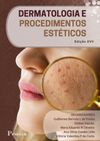 September 2025 in “Editora Pasteur eBooks”
 Continuous learning and personalized treatments are crucial in dermatology due to rapid technological advancements.
 July 2025 in “JUNIOR RESEARCHERS”
 Wearing masks has increased skin issues like acne and eczema, especially in women and young people.
 December 2024 in “Pharmaceutics”
 Spironolactone nano-formulations show promise for treating skin disorders, but more research is needed for safety and effectiveness.
 April 2024 in “Journal of applied cosmetology”
 Botulinum toxin shows promise for treating skin conditions but needs more research for safety and effectiveness.
 January 2024 in “JEADV Clinical Practice”
 Patients with certain skin diseases are willing to spend significant time on treatment, indicating a high impact on their lives and a need for better treatments.
 December 2023 in “Research Square (Research Square)”
 People with Down syndrome have higher rates of certain immune-related conditions and need special medical attention.
 August 2023 in “The journal of investigative dermatology/Journal of investigative dermatology”
 People with certain skin disorders are more likely to have alcohol problems, especially if they also have mental health issues like depression and anxiety.
 August 2023 in “Revista Ibero-Americana de Humanidades, Ciências e Educação”
 People with skin conditions like psoriasis and eczema have higher anxiety levels.

Thermal spring waters and their microbes could be good for skin health and treating some skin conditions in skincare products.
 May 2023 in “Experimental Dermatology”
 RCM and OCT are effective for diagnosing and monitoring hair-related skin diseases but lack standardized protocols and need more research.
 April 2023 in “JAAD international”
 Patients with Frontal fibrosing alopecia in Morocco often have skin conditions and thyroid disorders.

Lifestyle changes can improve skin health and reduce disease symptoms.
 January 2023 in “Bio web of conferences/BIO web of conferences”
 The document concludes that specific dermoscopic features can help diagnose different facial red skin conditions.
 January 2023 in “Postępy Dermatologii i Alergologii”
 Azelaic acid treats acne, rosacea, and hyperpigmentation with minimal side effects.
During COVID-19, Iraqi women saw more hair loss and skin issues like acne due to stress, masks, and hygiene habits.
 July 2022 in “Skin research and technology”
 Skin CT can help diagnose rosacea by identifying specific skin features, but should be used with clinical signs to avoid misdiagnosis.
 May 2022 in “Journal of Education, Health and Sport”
 Skin diseases like psoriasis, lupus, and others can increase heart disease risk due to factors like chronic inflammation and genetic susceptibility.
 May 2022 in “F1000Research”
 During the COVID-19 pandemic, Iraqi women experienced more hair loss and certain skin conditions, while contagious skin infections decreased.
 March 2022 in “Egyptian Academic Journal of Biological Sciences. E, Medical Entomology and Parasitology”
 Demodex mites might help skin balance by eating bacteria, but their role in skin disorders is unclear and may involve other factors.
 March 2022 in “IntechOpen eBooks”
 Botulinum Neurotoxin-A can treat acne, oily skin, rosacea, hair loss, prevent scars, relieve nerve pain, reduce excessive sweating, and manage psoriasis, but more trials are needed to confirm its effectiveness.
January 2022 in “Faculty of 1000 Research Ltd” During COVID-19, Iraqi women experienced more hair loss and skin issues like acne, likely due to stress and mask-wearing.
August 2021 in “Journal of cosmetic dermatology” The editorial stresses the importance of COVID-19 vaccination and ongoing contributions to the journal.
 August 2021 in “Case Reports”
 A woman thought to have rosacea was actually suffering from Frontal Fibrosing Alopecia, a hair loss condition. Despite treatment, her condition didn't change, showing the importance of accurate early diagnosis.
 May 2021 in “British Journal of Dermatology”
 Different tiny organisms live in human hair follicles and can affect both health and skin conditions, including acne and hair loss.
December 2020 in “The journal of investigative dermatology/Journal of investigative dermatology” Papulopustular rosacea is an inflammatory skin condition treatable with lifestyle changes and medications.