 April 2019 in “Journal of Investigative Dermatology”
 Non-coding RNA boosts retinoic acid production and signaling, aiding regeneration.
 April 2019 in “Journal of Investigative Dermatology”
 Researchers fixed gene mutations causing a skin disease in stem cells, which then improved skin grafts in mice.
 January 2024 in “International Journal of Biological and Environmental Investigations”
 A reliable method was developed to measure dutasteride in tablets accurately and consistently.
1 citations
,
September 2023 in “Journal of the American Academy of Dermatology” Ritlecitinib effectively regrows and maintains scalp, eyebrow, and eyelash hair in alopecia areata patients.
June 2026 in “British Journal of Dermatology” Regional prescribing of ritlecitinib mostly follows national guidance, but psychological assessments and consistent scoring need improvement.
CDPDFM can improve acne symptoms in rabbit ears.
3 citations
,
July 2025 in “Clinical and Experimental Dermatology” Ritlecitinib may be more effective for severe alopecia areata than conventional treatments.
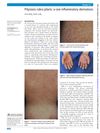 February 2018 in “BMJ case reports”
 An 18-year-old woman was diagnosed with a rare skin condition called Pityriasis rubra pilaris.
June 2025 in “Korean Journal of Pharmacognosy” Isoalantolactone promotes hair growth by activating specific cell pathways.
8 citations
,
March 2011 in “Endocrine” A new gene mutation causes vitamin D-resistant rickets and hair loss in two siblings.
53 citations
,
May 1996 in “The Journal of Clinical Endocrinology & Metabolism” Different mutations in the 5 alpha-reductase-2 gene were found in affected individuals in the Dominican Republic, suggesting no common ancestry.
6 citations
,
October 2023 in “JAAD Case Reports” Risankizumab may help manage symptoms of dissecting cellulitis of the scalp.
July 2025 in “Clinical Case Reports” A new genetic mutation in the TRPS1 gene causes Trichorhinophalangeal Syndrome, leading to specific hair, dental, and bone issues.
78 citations
,
August 1996 in “The Journal of Clinical Endocrinology & Metabolism” The same gene mutation can cause different symptoms in family members.
September 2023 in “Journal of the American Academy of Dermatology”  6 citations
,
September 2019 in “Skin pharmacology and physiology”
6 citations
,
September 2019 in “Skin pharmacology and physiology” RCS-01 therapy is safe and may improve skin structure by affecting gene expression.
November 2025 in “Journal of Investigative Dermatology” March 2009 in “European Urology Supplements” September 2002 in “Oncology Times” Promising cancer treatments were found, but the manufacturer closed.

A new AIRE gene mutation causes rare autoimmune symptoms in a Lebanese boy.
2 citations
,
June 2004 in “Journal of Molecular Histology”  March 2005 in “Inpharma Weekly”
 China approved Sinovac's flu vaccine, Japan approved RiUP for female hair loss, and Nippon Kayaku's three cancer drugs.
February 2025 in “PubMed” 12 citations
,
July 2004 in “Molecular genetics and genomics” A new mouse mutation causes skin and hair defects due to a gene change.
 July 2023 in “Institutional Repositories DataBase (IRDB)”
 Malassezia species may contribute to hair loss in AGA patients.
 April 2023 in “The journal of investigative dermatology/Journal of investigative dermatology”
 Ritlecitinib significantly improves scalp hair regrowth in alopecia areata patients over time.
 September 2008 in “Hair transplant forum international”
 The document's conclusion cannot be determined.
September 2015 in “Photodiagnosis and Photodynamic Therapy” 12 citations
,
December 2013 in “Immunological Investigations” The SNP rs6457452 is linked to a higher risk of alopecia areata in Koreans.
December 2025 in “Value in Health”