 March 2026 in “Dermatology and Therapy”
 More severe alopecia areata can lower quality of life.
 March 2026 in “International Journal of Dermatology Venereology and Leprosy Sciences”
 Vitiligo treatment requires a personalized mix of therapies to restore skin color and improve life quality.
 February 2026 in “Eduvest - Journal Of Universal Studies”
 Janus Kinase Inhibitors are promising new treatments for various skin conditions due to their effectiveness and safety.
Including ineffective or unsafe doses in reviews can lead to misleading conclusions about alopecia areata treatments.
 January 2026 in “Frontiers in Drug Discovery”
 Transforming skin disease treatment requires new strategies, better drug models, and patient-focused research.
 December 2025 in “ADMET & DMPK”
 Personalized treatments for hair loss focus on specific genetic and biological pathways.
 November 2025 in “Turkish Journal of Dermatology”
 Both baricitinib and tofacitinib effectively reduce alopecia areata severity, with tofacitinib showing more improvement over longer use.
 November 2025 in “Clinical Cosmetic and Investigational Dermatology”
 Tofacitinib is effective and safe for treating severe alopecia areata.
 October 2025 in “Records of Natural Products”
 Kaempferol promotes hair growth and could be a natural treatment for hair loss.
Baricitinib effectively regrows hair in severe alopecia areata cases.
 October 2025 in “Dermatology and Therapy”
 Recognizing and treating related skin conditions can improve atopic dermatitis management.
 September 2025 in “Dermatology and Therapy”
 Baricitinib is a promising treatment for alopecia areata in the UAE, but there are challenges with data and access.
 September 2025 in “Nano Biomedicine and Engineering”
 Nanomedicines could offer better, longer-lasting psoriasis treatments with fewer side effects.
 August 2025 in “American Journal of Clinical Dermatology”
 Clinicians should use evidence-based tools and consider mental health when assessing alopecia areata to guide treatment.
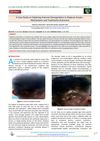 July 2025 in “International Journal of Pharmaceutical Sciences Review and Research”
 Individualized treatment and psychological support improved the patient's quality of life and appearance despite medication side effects.
 July 2025 in “International Journal of Dermatology Venereology and Leprosy Sciences”
 Higher stress levels may worsen alopecia areata, suggesting stress management is important for treatment.
 June 2025 in “Saratov Medical Journal”
 Ongoing research and innovation are crucial for improving skin care and treatment.
 June 2025 in “International Journal of Science and Research (IJSR)”
 Tofacitinib effectively promotes hair regrowth in alopecia areata with minimal side effects.
 March 2025 in “HAL (Le Centre pour la Communication Scientifique Directe)”
 De nouvelles thérapies promettent de mieux traiter la perte de cheveux due à l'alopécie androgénétique.
 January 2025 in “Balkan Medical Journal”
 Baricitinib helps regrow hair in severe alopecia areata and is safe, but more research is needed.
Frontal fibrosing alopecia can be managed with personalized combination therapies, but no cure exists yet.
 January 2025 in “International Journal of Dermatology Venereology and Leprosy Sciences”
 Tofacitinib improved hair regrowth and quality of life in children with alopecia areata, with mild side effects.
 January 2025 in “International Journal of Dermatology Venereology and Leprosy Sciences”
 Current treatments for alopecia areata can help hair grow but don't cure the disease.
 December 2024 in “Highlights in Science Engineering and Technology”
 Stem cells show promise for hair regrowth, but challenges remain.
 November 2024 in “Open Repository of the University of Porto (University of Porto)”
 Pharmacists play a crucial role in safe medication use and interdisciplinary collaboration is key to reducing antimicrobial resistance.
 August 2024 in “Bioscience of Microbiota Food and Health”
 Microbes might play a role in vitiligo.
 August 2024 in “New Zealand Medical Student Journal”
 JAK inhibitors show promise for treating skin diseases effectively and safely.
 June 2024 in “Dermatology and Therapy”
 Baricitinib improves quality of life and reduces anxiety and depression in severe alopecia areata patients with hair regrowth.
 May 2024 in “SPIRE - Sciences Po Institutional REpository”
 Understanding and treating alopecia areata improves patient care.
 April 2024 in “Frontiers in medicine”
 Alopecia Areata significantly lowers quality of life and current treatments are inadequate, highlighting a need for better therapies and standardized treatment protocols.