10 citations
,
June 2022 in “Biomedicine & Pharmacotherapy” ARTS helps stop tumors by promoting cell death.
 3 citations
,
May 2025 in “Frontiers in Pharmacology”
3 citations
,
May 2025 in “Frontiers in Pharmacology” Vismodegib can cause muscle spasms, taste changes, hair loss, fatigue, weight loss, and possibly new issues like skin cancer, dehydration, and swallowing problems, needing close monitoring.
 72 citations
,
April 2008 in “The Journal of urology/The journal of urology”
72 citations
,
April 2008 in “The Journal of urology/The journal of urology” Dutasteride and finasteride do not significantly affect bone density, blood fats, or blood production, but slightly lower PSA levels and minimally impact sexual function in healthy young men.
14 citations
,
January 2025 in “Journal of Dermatological Treatment” Baricitinib is effective and safe for treating severe alopecia areata, promoting significant hair regrowth.
May 2024 in “Reactions weekly”  January 2021 in “Anais do Congresso Brasileiro de Reumatologia 2020”
 Tofacitinib improved arthritis and partially improved hair loss in a lupus patient without side effects.
 1 citations
,
September 2022 in “Journal of The American Academy of Dermatology”
1 citations
,
September 2022 in “Journal of The American Academy of Dermatology” Baricitinib helps grow eyebrows and eyelashes in severe alopecia areata patients.
16 citations
,
September 1999 in “Journal of Investigative Dermatology Symposium Proceedings”  December 2025 in “Journal of Pakistan Association of Dermatologists”
 Stopping afatinib improved a rare scalp condition in a patient.
January 2007 in “Frontiers in Medicine” Tofacitinib works well for treating alopecia areata, especially when combined with corticosteroids, but is less effective if the disease has lasted over 2 years.
 June 2023 in “British Journal of Dermatology”
 Baricitinib was effective in treating severe and very severe alopecia areata after 52 weeks.
 May 2024 in “Journal of cosmetic dermatology”
 Tofacitinib is an effective and safe treatment for alopecia areata.
 12 citations
,
June 2023 in “JAMA network open”
12 citations
,
June 2023 in “JAMA network open” JAK inhibitors effectively improve hair regrowth in alopecia areata with an acceptable safety profile.
 10 citations
,
January 2023 in “Acta dermato-venereologica”
10 citations
,
January 2023 in “Acta dermato-venereologica” Baricitinib and deuruxolitinib are effective for treating alopecia areata, but their efficacy depends on the dose.
 June 2026 in “Journal of cancer research updates”
 Generic Palbociclib is safe and tolerable for treating certain breast cancer types.

The patch effectively promotes hair growth for alopecia areata without pain.
 1 citations
,
May 2017 in “Journal of the American Academy of Dermatology”
1 citations
,
May 2017 in “Journal of the American Academy of Dermatology” Oral tofacitinib may be an effective and tolerable treatment for some people with severe alopecia areata.
October 2025 in “Journal of the Endocrine Society” Finasteride lowers cholesterol but doesn't reduce heart-related events.
 November 2022 in “The journal of investigative dermatology/Journal of investigative dermatology”
 Targeted cancer therapies can cause skin side effects, but activating SOS in the skin may help reduce them.
November 2025 in “SKIN The Journal of Cutaneous Medicine” Ritlecitinib 50 mg effectively promotes and sustains hair regrowth in alopecia areata patients.
March 2009 in “European Urology Supplements” 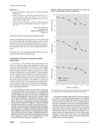 42 citations
,
December 2007 in “American Journal of Psychiatry”
42 citations
,
December 2007 in “American Journal of Psychiatry” Finasteride may effectively reduce Tourette's syndrome symptoms and improve life quality.
Some dermatologists in Saudi Arabia prescribe Tofacitinib for hair loss, but many don't due to its unavailability and safety concerns.
Different oral anticoagulants cause various non-bleeding side effects, so careful monitoring is needed.
6 citations
,
November 2022 in “BMC Urology” Higher levels of miR-1199-5p may reduce the effectiveness of certain prostate treatments.
 3 citations
,
January 2011 in “Annals of Dermatology”
3 citations
,
January 2011 in “Annals of Dermatology” Blocking EGFR in skin cells doesn't majorly increase inflammation markers.
 June 2024 in “ESMO Gastrointestinal Oncology”
 The combination treatment showed a higher response rate but no significant survival benefits.
November 2025 in “Journal of Clinical Medicine” Baricitinib significantly improved hair regrowth and quality of life in severe alopecia areata patients.
 March 2026 in “Journal of Personalized Medicine”
 Genetic differences affect breast cancer treatment success with tamoxifen in South African patients.
 12 citations
,
June 2013 in “The Prostate”
12 citations
,
June 2013 in “The Prostate” Dutasteride and finasteride affect different cell types differently.