 13 citations
,
March 2019 in “Pharmacology Research & Perspectives”
13 citations
,
March 2019 in “Pharmacology Research & Perspectives” In Singapore, most skin reactions to drugs were in females and Chinese, often caused by painkillers, antibiotics, and some other drugs, with serious cases linked to genetics.
66 citations
,
August 2007 in “Applied and environmental microbiology” The engineered yeast strain BLYAS can quickly and sensitively detect androgenic chemicals.
 19 citations
,
November 1971 in “Clinica Chimica Acta”
19 citations
,
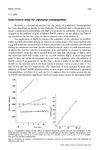
November 1971 in “Clinica Chimica Acta” The document concludes that measuring γ-glutamyl transpeptidase activity is more accurate with a higher substrate concentration and using diluted acetic acid to stop the reaction.
October 2021 in “Authorea (Authorea)” New hair perming method using tyrosine is gentler and can be done with a blow-dryer.
 2 citations
,
January 2015 in “Sen'i Gakkaishi”
2 citations
,
January 2015 in “Sen'i Gakkaishi” Washing permed hair after using thioglycolic acid helps reform strong bonds, making hair stronger.
May 2010 in “Europe PMC (PubMed Central)” Near-infrared probes can safely and effectively image cysteine protease activity for disease diagnosis.
January 2026 in “Molecules” A new perming method is less damaging to hair and works as well as traditional methods.
February 1989 in “PubMed” A genetic hair protein variant is more common in Japanese people and is inherited.
 3 citations
,
January 2009 in “Sen'i Gakkaishi”
3 citations
,
January 2009 in “Sen'i Gakkaishi” Using both TGA and DTDG in hair straightening reduces hair damage compared to using TGA alone.
 February 2024 in “Advanced Materials”
 OG6, a sugar-based material, can stimulate hair growth.
1 citations
,
May 2025 in “Journal of the Indian Chemical Society”  January 2011 in “Web journal anti-aging medicine/Anti-aging medicine”
 KGS1 tablets improved skin and hair health.
 21 citations
,
August 2014 in “Journal of Cell Communication and Signaling”
21 citations
,
August 2014 in “Journal of Cell Communication and Signaling” Tsukushi helps control inflammation and aids in wound healing.
 239 citations
,
December 2013 in “Scientific Reports”
239 citations
,
December 2013 in “Scientific Reports” A new method quickly creates controllable cell clusters for tissue engineering and drug testing.
 2 citations
,
January 2023 in “Bioresource Technology Reports”
2 citations
,
January 2023 in “Bioresource Technology Reports” Enzymes can release hydrocarbons from Botryococcus braunii without harming cells, suggesting potential for continuous extraction.
7 citations
,
February 2011 in “Journal of dermatology” The 736T>A mutation in the LIPH gene is common in Japanese people with autosomal recessive woolly hair.
28 citations
,
November 2020 in “Polymers” Crosslinked gelatin sponges show promise as skin substitutes for wound treatment.
48 citations
,
November 2002 in “Journal of biological chemistry/The Journal of biological chemistry” Genetic variations in hair keratin proteins exist but don't significantly affect hair structure.
4 citations
,
May 1981 in “Australian Journal of Biological Sciences” Rat hair follicle cells can produce and release various glycosaminoglycans over time.
305 citations
,
March 2008 in “AJP Endocrinology and Metabolism” SSAT is a key enzyme affecting cell growth and metabolism, with potential but risky use in disease treatment.
75 citations
,
August 2018 in “Plant physiology” Hydrogen sulfide disrupts protein function and root hair growth in plants by modifying proteins.
 19 citations
,
February 2012 in “International Journal of Urology”
19 citations
,
February 2012 in “International Journal of Urology” In Japan, sex reassignment surgery for gender identity disorder faces challenges and needs better medical support and education.
February 2026 in “UiTM Institutional Repositories (Universiti Teknologi MARA)” Cis-UCA can form new compounds without enzymes, and sulphide donors reduce its UVB-induced toxicity in skin cells.
 7 citations
,
October 1985 in “Genetics Research”
7 citations
,
October 1985 in “Genetics Research” Beige and leaden pigment genes act within melanocytes, affecting pigment patterns.
2 citations
,
November 1973 in “PubMed” Sulfur-35 can be used to track hair growth and past exposure.
6 citations
,
October 2016 in “Pediatric Dermatology” A 6-year-old girl had a rare allergic reaction to a hair regrowth treatment.
 February 2026 in “Nature Synthesis”
 A new method creates unique chemical structures that could improve drug discovery.
June 2026 in “ACS Applied Polymer Materials” New polymer fibers can produce proteins and have potential uses in masks and swabs.
 6 citations
,
December 2022 in “Journal of Materials Chemistry B”
6 citations
,
December 2022 in “Journal of Materials Chemistry B” The dressing generates hydrogen sulfide to help heal wounds faster by reducing inflammation and promoting cell growth.
 4 citations
,
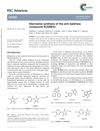
January 2014 in “RSC Advances”
4 citations
,
January 2014 in “RSC Advances” A new, less toxic and more efficient method to create the anti-baldness compound RU58841 was developed in 2014.