 November 2024 in “Journal of Cosmetic Dermatology”
 Baricitinib is effective for severe alopecia areata but has some side effects.
 November 2024 in “SKIN The Journal of Cutaneous Medicine”
 Ritlecitinib effectively promotes hair regrowth in severe and very severe alopecia areata.
 October 2024 in “Journal of the European Academy of Dermatology and Venereology”
 Ritlecitinib and baricitinib are similarly effective for hair regrowth in severe alopecia areata.
 September 2024 in “Journal of the European Academy of Dermatology and Venereology”
 Baricitinib effectively reduces hair loss in severe alopecia areata with mild side effects.
Baricitinib helps keep hair, eyebrows, and eyelashes regrown for 3 years in most people with severe hair loss.
 April 2024 in “Frontiers in pharmacology”
 Brepocitinib 30mg is most effective for moderate-to-severe alopecia areata, but ritlecitinib 50mg may offer a better balance of safety and effectiveness.
 March 2024 in “Clinical and experimental dermatology”
 Topical corticosteroids may be a safe and effective treatment for severe alopecia areata in children.
March 2023 in “SKIN The Journal of Cutaneous Medicine” Ritlecitinib helped most alopecia areata patients regrow hair by Week 48.
January 2019 in “프로그램북(구 초록집)” Both tofacitinib and ruxolitinib are effective and tolerable for treating alopecia areata.
5 citations
,
April 2025 in “Journal of Cosmetic Dermatology” Janus kinase inhibitors are effective and safe for treating Alopecia Areata.
3 citations
,
February 2025 in “Journal of Dermatological Treatment” Hair regrowth in Alopecia Areata patients leads to increased satisfaction and reduced stress.
Ivarmacitinib effectively regrows hair in severe alopecia areata.
7 citations
,
September 2024 in “The Journal of Dermatology” Ritlecitinib helps regrow hair in people with alopecia totalis and universalis and is safe to use.
1 citations
,
February 2025 in “Pediatric Dermatology” Tofacitinib helps hair regrow in some kids with severe alopecia areata, but more research is needed on long-term effects.
March 2026 in “Immunological Medicine” Janus kinase inhibitors help some people with severe alopecia areata regrow hair, but not everyone responds, and relapses can happen.
February 2026 in “The Journal of Dermatology” Ritlecitinib effectively regrows scalp, eyebrow, and eyelash hair in Asians with alopecia areata and is safe.
January 2026 in “Dermatologic Therapy” Higher RBP4 levels are linked to severe alopecia areata, but genetic variant rs3758539 doesn't affect baricitinib response.
November 2025 in “Figshare” Baseline severity, disease activity, and relapse history are key to predicting response and recurrence in alopecia areata.
March 2025 in “Clinical and Experimental Dermatology” Older patients without prior JAK inhibitor treatment respond best to tofacitinib for alopecia areata.
 January 2025 in “SKIN The Journal of Cutaneous Medicine”
 Baricitinib treatment for severe alopecia areata shows significant improvement by 52 weeks, especially in very severe cases.
 June 2024 in “JEADV Clinical Practice”
 Severe alopecia areata patients have a low chance of spontaneous hair regrowth.
 April 2023 in “The journal of investigative dermatology/Journal of investigative dermatology”
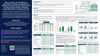
 Ritlecitinib significantly improves scalp hair regrowth in alopecia areata patients over time.
 1 citations
,
July 2019 in “Medicina Clínica (English Edition)”
1 citations
,
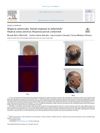
July 2019 in “Medicina Clínica (English Edition)” Tofacitinib partially improved hair regrowth in a patient with severe hair loss.
 November 2025 in “SKIN The Journal of Cutaneous Medicine”
 Upadacitinib effectively treats severe alopecia areata and is safe.
 66 citations
,
June 2021 in “Journal of The American Academy of Dermatology”
66 citations
,
June 2021 in “Journal of The American Academy of Dermatology” Baricitinib is effective and safe for treating severe alopecia areata.
 42 citations
,
November 2018 in “Archives of dermatological research”
42 citations
,
November 2018 in “Archives of dermatological research” Apremilast was not effective in treating moderate-to-severe alopecia areata.
 17 citations
,
January 2019 in “Dermatologic Therapy”
17 citations
,
January 2019 in “Dermatologic Therapy” Tofacitinib is effective and safe for long-term treatment of severe alopecia areata, with many patients achieving complete hair regrowth.
 9 citations
,
May 2021 in “International Journal of Dermatology”
9 citations
,
May 2021 in “International Journal of Dermatology” The trial showed that a new under-the-tongue treatment for severe hair loss was somewhat effective in a small group of people.
4 citations
,
June 2023 in “Frontiers in immunology” JAK inhibitors help hair regrowth in alopecia areata but have a high risk of side effects.
 3 citations
,
September 2024 in “Dermatology and Therapy”
3 citations
,
September 2024 in “Dermatology and Therapy” Previous alopecia areata treatments do not affect the long-term effectiveness of ritlecitinib.