 39 citations
,
January 2012 in “Reproductive Biology and Endocrinology”
39 citations
,
January 2012 in “Reproductive Biology and Endocrinology” About 8.5% of women in Salvador, Brazil, have Polycystic Ovary Syndrome.
8 citations
,
January 2017 in “Journal of Biological Chemistry” Astrotactin-2 is cleaved in a specific way that helps understand its maturation.
 November 2022 in “Journal of Investigative Dermatology”
 Some people with schwannomatosis have a new type of mutation in the LZTR1 gene.
 March 2026 in “Dermatology Online Journal”
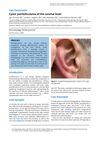
 Cystic panfolliculoma is a rare, harmless tumor that can be confused with other skin tumors.
8 citations
,
January 2013 in “genesis” Zfp157 is active in many mouse tissues during development and in specific adult cells.
8 citations
,
March 2015 in “International Journal of Oncology” Tsc2-deficient stem cells can help understand and treat TSC-related tumors.
11 citations
,
June 1974 in “Journal of Cutaneous Pathology” Follicular mucinosis causes significant damage to hair follicle cells.
 7 citations
,
March 2017 in “Journal of dermatology”
7 citations
,
March 2017 in “Journal of dermatology” The conclusion is that accurately identifying folliculosebaceous tumors requires understanding their clinical signs and microscopic features.
May 2010 in “Europe PMC (PubMed Central)” Near-infrared probes can safely and effectively image cysteine protease activity for disease diagnosis.
 September 2019 in “The journal of investigative dermatology/Journal of investigative dermatology”
 Not having enough cystatin M/E protein causes less hair growth and dry skin.
 25 citations
,
October 1976 in “The BMJ”
25 citations
,
October 1976 in “The BMJ” A woman showed neurological symptoms from psittacosis linked to bird exposure, improving after antibiotic treatment.
June 2026 in “Indian Dermatology Online Journal” A supernumerary nipple was correctly identified using dermoscopy, avoiding misdiagnosis.
 November 2023 in “Scientific reports”
 The research identified and described a gene important for hormone conversion in endangered catfish, which varies in activity during different reproductive stages and after hormone treatment.
 3 citations
,
January 2012 in “Internal Medicine”
3 citations
,
January 2012 in “Internal Medicine” A Rathke's cleft cyst caused hormonal imbalances and symptoms in a 68-year-old woman.
 1 citations
,
July 2015 in “European Journal of Dermatology”
1 citations
,
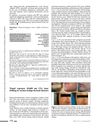
July 2015 in “European Journal of Dermatology” CO₂ laser treatment is fast and effective for some benign skin tumors with minimal side effects.
Fetuin-A levels are higher in PCOS patients, suggesting it may play a role in the condition.
 December 2023 in “Curēus”
 Surgical removal of a scalp keratoacanthoma is effective and prevents recurrence, but hair may not regrow.
5 citations
,
December 2002 in “The journal of investigative dermatology. Symposium proceedings/The Journal of investigative dermatology symposium proceedings” Skin cells might help spread prion diseases like Creutzfeldt-Jakob disease.
 111 citations
,
August 2002 in “Journal of Medicinal Chemistry”
111 citations
,
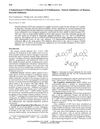
August 2002 in “Journal of Medicinal Chemistry” New compounds were made that block an enzyme linked to breast cancer better than existing treatments.
16 citations
,
January 2014 in “Obesity surgery” Vertical sleeve gastrectomy improved metabolism, behavior, and reproduction in obese rats with PCOS.
 December 2023 in “American journal of medical genetics. Part A”
 A new syndrome was linked to two new genetic changes in the MBTPS1 gene in a 14-year-old girl.
 December 2025 in “Meditsinskiy sovet = Medical Council”
 Early diagnosis and multidisciplinary care are crucial for managing CNOT3 syndrome.
 April 2023 in “Veterinary world/Veterinary World”
 Six types of bugs were found on goats in Bulgaria, with Linognathus stenopsis being the most common.
March 2025 in “Egyptian Journal of Animal Health” Zinc deficiency causes parakeratosis in buffalo calves, and supplementation improves symptoms.
March 1998 in “JEADV. Journal of the European Academy of Dermatology and Venereology/Journal of the European Academy of Dermatology and Venereology” Removing a tumor may resolve associated skin and hair symptoms.
56 citations
,
October 2010 in “Pediatric Clinics of North America” Epidermal nevi are skin cell clusters linked to various syndromes.
 March 2023 in “Journal of Veterinary Medicine and Animal Health”
 The fly larvae infestation caused severe skin damage and health issues in Kenyan dogs.
 June 2023 in “British Journal of Dermatology”
 The protein called small nuclear ribonucleoprotein polypeptide E is identified as a cause of a type of hair loss without other symptoms.
10 citations
,
August 2002 in “British Journal of Ophthalmology” Surgical excision is the best treatment for SCC, but intralesional cidofovir might be a good alternative.
2 citations
,
January 2020 in “Skin Appendage Disorders” Ustekinumab treatment may reveal a genetic tendency for steatocystoma multiplex in psoriasis patients.