2 citations
,
October 1931 in “Archives of Dermatology and Syphilology” A rare scalp infection in a child developed into a kerion with additional skin symptoms.

A rapid screening method using trichoscopy and clinical data can improve diagnosis and treatment of tinea capitis.
 March 2021 in “bioRxiv (Cold Spring Harbor Laboratory)”
 A specific immune response helps control mite populations on the skin, maintaining healthy hair follicles.
8 citations
,
June 1934 in “Archives of Dermatology and Syphilology” Ringworm of the scalp can heal on its own, especially if caused by animal-related fungi.
 June 2024 in “ACTA SCIENTIAE VETERINARIAE”
 qPCR is effective for quickly diagnosing fungal infections in horses.
24 citations
,
September 2007 in “Veterinary Dermatology” A goat had skin issues caused by Malassezia slooffiae, marking the first known case in goats.
189 citations
,
May 1991 in “Medical Entomology and Zoology”  1 citations
,
September 2019 in “BMC veterinary research”
1 citations
,
September 2019 in “BMC veterinary research” Malarone® caused pancreatitis and hair loss in a dog for the first time.
June 2023 in “Journal of Biosciences and Health” Healthy dogs and cats often carry skin fungi without showing symptoms, which can spread to others.
4 citations
,
January 1970 in “Bangladesh Journal of Veterinary Medicine” Most cats in Bangladesh have flea infestations, especially kittens and females.
 June 2025 in “Deleted Journal”
 Selamectin effectively cured the cats' infestation.
 4 citations
,
January 2017 in “Ciência Rural”
4 citations
,
January 2017 in “Ciência Rural” A horse in Brazil with skin and gut issues was diagnosed with a severe disease and had to be euthanized.
April 2021 in “Cermin Dunia Kedokteran” Two siblings with scalp fungus improved after 2 months of treatment.
May 2022 in “Journal of the Egyptian Society of Parasitology” Demodex folliculorum mites may contribute to severe acne, especially in adolescents.
 December 2011 in “Ophthalmology”
 Demodex may be linked to blepharitis, and treatments like tea tree oil and ivermectin can help.
9 citations
,
June 2011 in “American Journal of Dermatopathology” Molluscum contagiosum can occur in epidermoid cysts, especially with prolonged steroid use.
 April 2024 in “Jurnal Ilmu Kesehatan Hewan”
 The cat fully recovered after treatment and showed no further symptoms.
January 2016 in “INTAS POLIVET” Fipronil spray effectively treats ear mites in Persian cats.
 11 citations
,
May 2010 in “Annals of the Academy of Medicine Singapore”
11 citations
,
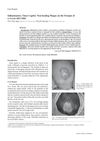
May 2010 in “Annals of the Academy of Medicine Singapore” Tinea capitis can cause scalp issues in children and should be considered in similar cases; treatment with griseofulvin and selenium sulfide is effective.
 January 2024 in “Jurnal Ilmu Kesehatan Hewan”
 Oreo the dog got better from skin and worm infections after treatment and cleaner living conditions.
 September 2025 in “Media Kedokteran Hewan”
 90% of African pygmy hedgehogs in the study had fungal infections.
 March 2022 in “Journal of health sciences and medicine”
 Azelaic acid and permethrin both effectively kill the skin mite Demodex folliculorum in a lab setting.
August 2024 in “NPI Journal of Science and Technology.” The Golden Retriever's skin condition improved after treatment.
5 citations
,
January 2000 Pododermatitis in farmed mink is likely caused by an unknown infectious agent with secondary bacterial infection.
15 citations
,
July 2015 in “Journal of exotic pet medicine” Humans, especially vulnerable groups, can catch skin infections from small mammals.
 January 2024 in “International journal of advanced biochemistry research”
 Fluralaner successfully treated dogs with severe demodicosis in 2 months.
22 citations
,
January 2020 in “Veterinary dermatology” The conclusion is that certain dog and cat breeds are prone to Malassezia dermatitis, which can be diagnosed with skin tests and treated with antifungal shampoos or medications, and preventing relapses involves managing underlying issues and maintaining good hygiene.

Scalp tinea versicolor can mimic alopecia areata but is treatable with antifungal medication.
 April 2023 in “Veterinary world/Veterinary World”
 Six types of bugs were found on goats in Bulgaria, with Linognathus stenopsis being the most common.
October 2025 in “Brazilian Journal of Veterinary Research and Animal Science” Neotropical porcupines can get co-infected with poxvirus and Toxoplasma gondii.