April 2026 in “Canadian Medical Association Journal” Female pattern hair loss is common and increases with age.
 March 2026 in “Dermatology Reports”
 FFA has higher long-term remission rates than LPP.
Recognize Rapunzel syndrome in children with unexplained stomach issues for timely treatment.
December 2025 in “JURNAL ILMU KEDOKTERAN DAN KESEHATAN” Plum blossom acupuncture and electroacupuncture improved hair growth and quality of life in a woman with chronic hair loss.
 September 2025 in “Ukrainian Journal of Dermatology Venerology Cosmetology”
 Early diagnosis and treatment can stop hair loss and prevent scalp damage in pseudopelade of Brocq.
 July 2025 in “International Journal of Ayurveda and Pharma Research”
 Ayurvedic treatment improved hair condition and density safely in a woman with hair loss.

Microbial imbalances on the scalp can help diagnose and manage hair loss early.
May 2025 in “International Ayurvedic Medical Journal” Ayurvedic Shamana therapy effectively treats alopecia areata with minimal side effects.

Cyclosporine is more effective than betamethasone for treating alopecia areata, despite mild side effects.
March 2025 in “Revista Foco” Early diagnosis of Alopecia Frontal Fibrosante is crucial for effective treatment.
March 2025 in “Journal of Cosmetic Dermatology” Combining surgery with growth factor injections effectively improves hair regrowth and scar management in Pseudopelade of Brocq.
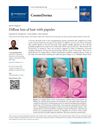 September 2024 in “Cosmoderma”
 The young man has complete hair loss and skin bumps, with no other health issues or family history.
 August 2024 in “International Journal of Research in Dermatology”
 Indulekha Svetakutaja Hair Oil effectively reduces dandruff and improves scalp health.
 August 2024 in “Journal of Research in Clinical Medicine”
 COVID-19 can cause various skin issues, with some linked to how severe the illness is.
 May 2024 in “Dermatologic surgery”
 Nonactivated low leukocyte PRP injections can significantly increase hair and follicle density in women with alopecia.
 May 2024 in “International Journal of Science and Research (IJSR)”
 Tankan Bhasma mixed with coconut oil effectively reduced dandruff and improved scalp health.
research Hair
May 2024 in “Australasian Journal of Dermatology” Alopecia areata causes significant emotional and social challenges, especially with more hair loss.
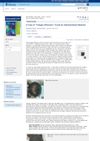 March 2024 in “Homoeopathic links”
 Individualized homeopathic treatment led to complete hair regrowth in a patient with stress-induced hair loss.
 March 2024 in “International Journal of Dermatology”
 Baricitinib improved nail condition and hair regrowth in a patient with alopecia and nail abnormalities.
January 2024 in “Cosmetics” Menopause worsens skin, hair, and nails, affecting self-esteem and quality of life.
 October 2023 in “Dermatology practical & conceptual”
 Many patients experienced hair loss after COVID-19, with women affected more, starting on average 49 days post-infection.
 October 2023 in “Case reports in dermatological medicine”
 A Jordanian family with Clouston syndrome has a common GJB6 gene mutation.
 October 2023 in “Journal of the Endocrine Society”
 A woman's increased facial hair and hair loss were caused by a rare ovarian tumor, cured by surgery.
 September 2023 in “Irish Journal of Medical Science (1971 -)”
 About 61% of women who had COVID-19 experienced hair loss afterward.
 August 2023 in “International journal of research and review”
 Homeopathy can effectively treat pattern hair loss by using remedies like Lycopodium Clavatum and Natrum Muriaticum, tailored to the patient's overall condition.
Ayurvedic treatment improved hair fall and scalp health.
January 2023 in “Odisha Journal of Psychiatry” Thorough patient interviews are crucial to identify self-inflicted hair loss.
January 2022 in “International journal of dermatology and venereology” A Chinese man with KID syndrome had a new mutation in the GJB2 gene.
 January 2022 in “International Journal of Science and Research (IJSR)”
 Certain medications can cause hair loss, which varies in severity and can be treated with specific drugs.
 November 2021 in “Khyber Medical University Journal”
 A rare ovarian tumor caused a postmenopausal woman to develop male-like features, which improved after surgery.