 6 citations
,
July 2017 in “Case Reports”
6 citations
,
July 2017 in “Case Reports” Hair loss, known as androgenic alopecia, can start in teenage years and may not always be hormone-related. It's important to do extra tests in young cases and remember it can greatly affect a teenager's mental health.
 5 citations
,
March 2015 in “Clinical and Experimental Dermatology”
5 citations
,
March 2015 in “Clinical and Experimental Dermatology” Chemotherapy caused a woman's permanent hair loss and early menopause.
 4 citations
,
May 2017 in “Data in Brief”
4 citations
,
May 2017 in “Data in Brief” Five molecular elements identified as potential future targets for hair loss therapy.
 2 citations
,
January 2012 in “International Journal of Trichology”
2 citations
,
January 2012 in “International Journal of Trichology” Coffee and tea might help hair growth in balding individuals, but side effects and alternative uses are being considered.
1 citations
,
September 2025 in “Journal of Cosmetic Dermatology” Addressing biological changes in lipids, metabolism, and microbiota may help treat hair loss in young Chinese females with oily scalps.
 1 citations
,
July 2024 in “Skin Research and Technology”
1 citations
,
July 2024 in “Skin Research and Technology” Patients with androgenetic alopecia have thinner subcutaneous fat layers in their frontal scalp compared to healthy individuals.
 1 citations
,
April 2023 in “Biomolecules”
1 citations
,
April 2023 in “Biomolecules” Fermented papaya and mangosteen in hair care products helped prevent hair loss and improve hair thickness.
 1 citations
,
July 2020 in “Journal of The American Academy of Dermatology”
1 citations
,
July 2020 in “Journal of The American Academy of Dermatology” Botulinum toxin may help treat hair loss by relaxing scalp muscles, improving oxygen and blood flow.
 1 citations
,
January 2020 in “Archives of Medical Research”
1 citations
,
January 2020 in “Archives of Medical Research” Formononetin, found in red clover, may treat hair loss with fewer side effects.
 1 citations
,
January 2016 in “Journal of Microbial & Biochemical Technology”
1 citations
,
January 2016 in “Journal of Microbial & Biochemical Technology” The Free Androgen Index (FAI) is the best indicator of early hair loss in men before age 30.
 1 citations
,
July 1997 in “Inpharma Weekly”
1 citations
,
July 1997 in “Inpharma Weekly” Finasteride improves hair growth and satisfaction in men with male pattern baldness but may cause sexual side effects.
 1 citations
,
December 1992 in “International Journal of Dermatology”
1 citations
,
December 1992 in “International Journal of Dermatology” No significant hormone differences found in postmenopausal women with androgenetic alopecia.
 May 2026 in “International Journal of Drug Delivery Technology”
 Herbs like hibiscus, onion, and aloe vera may help hair growth and are good alternatives to conventional treatments.
 April 2026 in “Microorganisms”
 SCFF may help promote hair growth and scalp health.
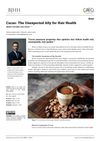 September 2025 in “Brazilian Journal of Hair Health”
 Cacao can improve hair strength and shine.
 May 2025 in “International Journal of Cosmetic Science”
 Caffeine and adenosine in shampoo may boost hair growth and change scalp microbes and lipids.
 March 2025 in “International Journal of Trichology”
 The combined treatment improved hair growth and scalp health in a patient with scalp alopecia from birth.

Hair hormone levels can indicate stress after a medically indicated abortion.
 November 2024 in “Journal of Clinical Medicine”
 The treatment improved hair thickness, shine, and reduced hair loss effectively.
 May 2022 in “Pharmacognosy journal”
 Moringa seed oil may help prevent hair loss and promote hair growth.
 June 2020 in “Journal of Dermatological Treatment”
 Use telemedicine and strict hygiene for safe hair and scalp treatments during COVID-19.
 January 2016 in “Springer eBooks”
 The document concludes that there are various causes and treatments for hair loss, with hair transplantation being a notable option.

The article concludes that understanding the causes of hair loss and using continuous treatments like minoxidil and finasteride can help manage it, despite potential side effects.

Hormonal treatments can help with hair loss, acne, and excess hair growth, but it takes 3-6 months to see results and patients should know the possible side effects.

Botulinum toxin-A may increase hair growth and reduce hair loss in men with baldness, and injecting near blood vessels can improve pain relief and last longer.
 September 2004 in “Atlas of the Oral and Maxillofacial Surgery Clinics”
 Hair restoration surgery techniques can effectively treat scalp deformities and have evolved to provide natural-looking results.
 March 1997 in “Journal of Endocrinology/Journal of endocrinology”
 Excessive hair growth in women can be treated with medications like spironolactone and finasteride, and male-pattern baldness in women can be improved with similar treatments.
August 1993 in “Journal of Dermatological Science” Cyclosporin and minoxidil promote hair growth.
 November 1983 in “American Biology Teacher”
 Pattern baldness is likely caused by a dominant gene influenced by testosterone levels, making it more common in men.
 November 1999 in “Journal of Cutaneous Medicine and Surgery”
 Treatments for hair loss include hormone modifiers, minoxidil, and hair transplant surgery.