Alopecia areata causes patchy hair loss but hair can regrow on its own.
 44 citations
,
August 2010 in “Lupus”
44 citations
,
August 2010 in “Lupus” Lupus can affect the scalp and nails, often causing hair loss and nail damage, and needs early aggressive treatment to prevent permanent damage.
 June 2023 in “British journal of dermatology/British journal of dermatology, Supplement”
 The case suggests that dissecting cellulitis of the scalp can occur in a White child and should be considered when diagnosing pediatric scarring alopecia.
26 citations
,
January 2016 in “Journal of cutaneous and aesthetic surgery” Hair transplant combining scalp and beard hair with PRP was successful for scarring alopecia.
 2 citations
,
December 2004 in “Medicine”
2 citations
,
December 2004 in “Medicine” Different hair and scalp disorders cause hair loss or excess hair growth, with various treatments available depending on the specific condition.
 35 citations
,
September 2017 in “PubMed”
35 citations
,
September 2017 in “PubMed” The document concludes that hair loss has many causes and treatments vary, including medication for pattern baldness and addressing underlying issues for other types.
 February 2022 in “CRC Press eBooks”
 Hair disorders include hair loss, excessive hair growth, and ingrown hairs, with various treatments available depending on the cause.
 12 citations
,
November 2011 in “International Journal of Dermatology”
12 citations
,
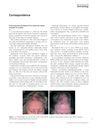
November 2011 in “International Journal of Dermatology” A woman developed a scalp condition from using minoxidil, which improved with a different treatment but left scarring.
 September 2021 in “CRC Press eBooks”
 Lichen planopilaris causes permanent hair loss and scarring due to damage to hair follicles and can be mistaken for other hair loss conditions.
Pseudopelade is likely an independent disease due to its distinct features.
 July 2016 in “Australasian Journal of Dermatology”
 The journal covered various dermatology topics, including treatments, disease management, and research findings.
June 2026 in “British Journal of Dermatology” Hairline-lowering surgery may trigger lichen planopilaris in some people.
May 2020 in “The Journal of Pediatrics” Tinea capitis can be quickly diagnosed and treated using dermoscopy to prevent hair damage.
 1 citations
,
September 2015 in “Serbian Journal of Dermatology and Venereology/Serbian Journal of Dermatology and Venerology”
1 citations
,
September 2015 in “Serbian Journal of Dermatology and Venereology/Serbian Journal of Dermatology and Venerology” A 19-year-old male had two rare skin conditions causing scarring and permanent hair loss.
 1 citations
,
June 2014 in “Serbian Journal of Dermatology and Venereology”
1 citations
,
June 2014 in “Serbian Journal of Dermatology and Venereology” A woman with discoid lupus improved with treatment after being misdiagnosed with a different hair loss condition.
 3 citations
,
January 2019 in “Skin Research and Technology”
3 citations
,
January 2019 in “Skin Research and Technology” Frequent use of hair straighteners can cause hair loss similar to scarring alopecia in young Turkish women.
19 citations
,
April 2019 in “Veterinary dermatology” Oclacitinib effectively treated a skin condition in dogs that didn't respond to other immunosuppressants.
 April 2022 in “Indexia revista médico - científica”
 Alopecia causes sudden hair loss, possibly due to genetic, environmental, or immune factors.
 30 citations
,
January 2013 in “International Journal of Trichology”
30 citations
,
January 2013 in “International Journal of Trichology” The most common causes of hair loss in Jordanian children are fungal infections, autoimmune hair loss, and hair shedding after fever, with zinc deficiency also being a notable cause.
4 citations
,
January 2022 in “Actas Dermo-Sifiliográficas” Increased tinea capitis cases in Northwestern Spain may be linked to African immigration.
 1 citations
,
December 2013 in “Journal of Evolution of Medical and Dental Sciences”
1 citations
,
December 2013 in “Journal of Evolution of Medical and Dental Sciences” Alopecia areata causes patchy hair loss due to unknown factors, affecting all ages and genders.
 12 citations
,
June 2012 in “Dermatologic Surgery”
12 citations
,
June 2012 in “Dermatologic Surgery” Hair transplantation effectively treated a woman's patchy hair loss when other treatments failed.
 34 citations
,
December 1995 in “Pediatric Dermatology”
34 citations
,
December 1995 in “Pediatric Dermatology” Congenital Triangular Alopecia is a rare, non-scarring hair loss that can be surgically treated in females for cosmetic reasons.
 5 citations
,
July 2013 in “Our Dermatology Online”
5 citations
,
July 2013 in “Our Dermatology Online” Lichen planopilaris is the most common type of scarring hair loss observed, with a variety of symptoms and tissue changes.
 December 2020 in “TURKDERM”
 A 3-year-old boy was diagnosed with a rare, non-scarring hair loss condition called temporal triangular alopecia.
January 2023 in “Indian Dermatology Online Journal” A 23-year-old man has a benign, non-progressive hair loss patch that doesn't respond to treatment but can be cosmetically treated.
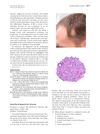
The man has Temporal Triangular Alopecia, a stable, non-scarring hair loss condition best treated with hair transplantation.
 13 citations
,
March 2002 in “Pediatric Dermatology”
13 citations
,
March 2002 in “Pediatric Dermatology” A child was initially wrongly diagnosed with a fungal scalp infection but actually had a non-scarring hair loss condition called Temporal Triangular Alopecia.
 13 citations
,
July 2004 in “Skinmed”
13 citations
,
July 2004 in “Skinmed” Common types of non-scarring hair loss have various causes and treatments, but more effective solutions are needed.
 April 2024 in “Journal of cutaneous pathology”
 Skin conditions like seborrheic dermatitis can make it harder to correctly diagnose hair loss because they can cause the oil glands in the skin to shrink.