Search
for
Sort by
Research
90-120 / 1000+ resultsresearch A Prospective Study on Trichoscopy as a Diagnostic and Monitoring Tool for Assessment of Therapeutic Response in Patients with Tinea Capitis
Trichoscopy effectively diagnoses and monitors treatment in children with tinea capitis.
research Trichoscopy
Trichoscopy is a non-invasive way to diagnose hair and scalp problems without needing hair samples.
research Dermatoscopy of hair shaft disorders
Dermatoscopy is a useful tool for diagnosing hair disorders and can help choose samples for more detailed analysis.
research Evaluation of SALT score severity in correlation with trichoscopic findings in alopecia areata: a study of 303 patients
Trichoscopy helps better understand and manage alopecia areata, improving patient outcomes.
research Trichothiodystrophy and fragile hair: the distinction between diagnostic signs and diagnostic labels in childhood hair disease
Fragile hair in children is rarely linked to trichothiodystrophy (TTD).
research Trichoscopy
Trichoscopy is a key method for dermatologists to quickly and effectively diagnose hair and scalp conditions.
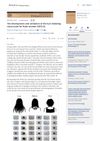
research The development and validation of the hair shedding visual scale for Asian women (HSVS‐A)
The HSVS-A is an effective tool for quickly screening hair shedding in Asian women.
research Use of dermoscopy in the diagnosis of temporal triangular alopecia
Dermoscopy helps accurately diagnose temporal triangular alopecia, avoiding unnecessary treatments.
research Trichoscopy in alopecia areata and trichotillomania
Trichoscopy can reliably distinguish between alopecia areata and trichotillomania.

research Pull Test and Trichogram
Physical exams are important in hair loss diagnosis, considering cosmetic history, systemic diseases, and classifying alopecia types.

research Evaluation of Dermatoscopic (Trichoscopic) Patterns in Hair and Scalp Disorders: A Clinical Observational Study
Trichoscopy is effective for diagnosing hair and scalp disorders without invasive biopsies.
research The Trichoscopy Derived Sinclair Scale: Enhancing visual assessment through quantitative trichoscopy
The Trichoscopy Derived Sinclair Scale offers a more accurate and reliable way to measure hair loss severity than the traditional visual method.

research Trichoscopic findings of trichotillomania: new observations
Trichoscopy is useful for diagnosing hair-pulling disorder.
research Congenital ptosis repair with a frontalis silicon sling: comparison between Fox's single pentagon technique and a modified Crawford double triangle technique
The modified Crawford technique resulted in less lagophthalmos and better cosmetic outcomes for patients with lateral droop.
research Role of Trichoscopy in Children's Scalp and Hair Disorders
Trichoscopy is good for diagnosing and monitoring hair and scalp problems in children but needs more research for certain conditions.
research The value of dermoscopy in diagnosing eyebrow loss in patients with alopecia areata and frontal fibrosing alopecia
Trichoscopy effectively diagnoses eyebrow loss, distinguishing between alopecia areata and frontal fibrosing alopecia.
research A New Case of Trichothiodystrophy Associated with Autism, Seizures, and Mental Retardation
A rare case of trichothiodystrophy was found with autism, seizures, and mental retardation.
research Trichoscopy Tips
Trichoscopy is a useful tool for diagnosing hair and scalp issues, but doctors must be careful to avoid mistakes.
research TRICHOSCOPY AS A DIAGNOSTIC METHOD IN NON-SCARRING ALOPECIA
Trichoscopy is a quick, accurate, and non-invasive method to diagnose and treat non-scarring hair loss.
research Trichoscopy as an evaluation method for alopecia areata treatment: A comparative study
Trichoscopy is useful for diagnosing and monitoring alopecia areata treatment.

research Influence of Atopic Dermatitis on the Dermoscopic Phenotype of Positive Patch Test Reactions: A Prospective Comparative Study
Atopic dermatitis affects the appearance of skin reactions, making certain features more common and improving diagnostic accuracy with dermoscopy.
research Clinical and trichoscopic features of early congenital syphilis: a single-center cross-sectional study
Trichoscopy can help diagnose early congenital syphilis in newborns.
research TRICHOSCOPY AS A NON-INVASIVE TOOL FOR THE DIAGNOSIS OF DEFICIENCIES OF VITAMIN B12, VITAMIN D3 AND SERUM FERRITIN
Trichoscopy can help diagnose Vitamin B12, Vitamin D3, and ferritin deficiencies without blood tests.
research Trichoscopic Evaluation of Focal Non-Cicatricial Alopecia in Egyptian Children
Using dermoscopy improves diagnosis of scalp and hair disorders in children.
research TRICHOSCOPY IN ALOPECIA AREATA : A SUPER TOOL FOR DIAGNOSIS
Trichoscopy is a cost-effective and non-invasive tool for diagnosing alopecia areata.
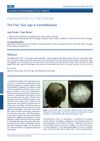
research The Friar Tuck sign in trichotillomania
An 8-year-old boy with hair-pulling disorder had a bald patch that was confirmed not to be a fungal infection and was treated with therapy.
research Trichoscopy in alopecias
Trichoscopy helps tell different hair loss types apart using specific scalp and hair patterns.
research Trichilemmal cyst of the eyelid: An unusual presentation in paediatric age group
Trichilemmal cysts can appear on children's eyelids and may be mistaken for other conditions.
research A Comprehensive Review on Trichogram and Trichoscopy in Dermatology
Trichogram is useful for diagnosing hair disorders, but newer, non-invasive methods like trichoscopy are becoming more popular due to their sensitivity and ability to monitor treatment responses.