14 citations
,
September 1983 in “Acta Dermato Venereologica” Citral increases sebaceous gland activity in male rats.
 14 citations
,
November 1982 in “British Journal of Dermatology”
14 citations
,
November 1982 in “British Journal of Dermatology” Testosterone conversion to 5α-DHT may not be essential for its effects on the skin.
 13 citations
,
April 1994 in “Journal of Investigative Dermatology”
13 citations
,
April 1994 in “Journal of Investigative Dermatology” Androgen receptors found in monkey scalps, similar to humans, affect hair growth.
 11 citations
,
October 2001 in “Tissue engineering”
11 citations
,
October 2001 in “Tissue engineering” Cultured epithelium can form hair follicles when combined with dermal papillae.
 6 citations
,
January 2016 in “JAMA Dermatology”
6 citations
,
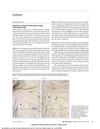
January 2016 in “JAMA Dermatology” Dirty dots are a common scalp finding in elderly women and can be washed away with shampoo.
4 citations
,
June 2023 in “Pharmaceutical Biology” Qing Cuo Formula may effectively treat acne by reducing inflammation and hormone levels.
4 citations
,
January 2017 in “Acta dermato-venereologica” A new EDA gene mutation was found in a Chinese family with a specific skin disorder.
 3 citations
,
July 2021 in “International journal of pharmaceutical chemistry and analysis”
3 citations
,
July 2021 in “International journal of pharmaceutical chemistry and analysis” Medicinal plants like Aloe, Amla, and Coconut oil help with hair and skin care.
 3 citations
,
March 2014 in “Veterinary dermatology”
3 citations
,
March 2014 in “Veterinary dermatology” Norwegian puffin dogs have a unique type of hair loss that often doesn't get better on its own and responds well to ciclosporin treatment.
 3 citations
,
July 2012 in “Sokoto Journal of Veterinary Sciences”
3 citations
,
July 2012 in “Sokoto Journal of Veterinary Sciences” As sheep age, their hair fibers and follicles grow larger and more organized, with no significant differences between males and females.
 2 citations
,
October 2015 in “Indian journal of science and technology”
2 citations
,
October 2015 in “Indian journal of science and technology” SM-215 promotes hair growth by improving the environment around hair follicles.
 2 citations
,
April 2009 in “Bulletin of Experimental Biology and Medicine”
2 citations
,
April 2009 in “Bulletin of Experimental Biology and Medicine” Flamena, a liposomal mix, helps skin heal better after a chemical burn.
 2 citations
,
January 2000 in “Journal of Toxicologic Pathology”
2 citations
,
January 2000 in “Journal of Toxicologic Pathology” A single recessive gene causes sparse hair in certain Japanese White rabbits.

Inhibiting AP-1 changes skin tumor types and affects tumor cell identity.

Inhibiting AP-1 changes skin tumor types and affects tumor cell identity.
 January 2023 in “Vìsnik problem bìologìï ì medicini”
 Androgenic alopecia causes hair follicle degradation and skin restructuring, but some hair elements remain.
 January 2016 in “Springer eBooks”
 New materials and methods could improve skin healing and reduce scarring.

Age-related changes in scalp glands may affect hair health, but sulforaphane might help.

As people age, certain enzymes in scalp glands decrease, affecting hair health.
 May 2025 in “Experimental Dermatology”
 Triphenylphosphine oxide can increase oil production and reduce inflammation in skin cells without affecting TRPM5.
 April 2025 in “Ukrainian Journal of Veterinary and Agricultural Sciences”
 Adding a water-soluble fatty acid complex to sheep diets improves wool growth by increasing primary hair follicle size and density.
 August 2023 in “International journal of basic and clinical pharmacology”
 Herbal hair serum promotes natural hair growth and maintains healthy hair.
 February 2023 in “Mağallaẗ Tikrīt li-l-ʻulūm al-ṣirfaẗ/Tikrit journal of pure science”
 Horse skin has a layered epidermis, a dermis with hair follicles, sweat and sebaceous glands, and is supplied by small arteries.
 September 2017 in “Journal of Investigative Dermatology”
 Researchers created human cells that can turn into sebocytes, which may help study and treat skin conditions like acne.

Tissue from dog stem cells helped grow hair in mice.
 January 2020 in “Medpulse International Journal of General Medicine”
 Trichoscopy helps diagnose and monitor hair loss, showing different signs at various stages of hair thinning.
 39 citations
,
January 2011 in “Archives of Dermatology”
39 citations
,
January 2011 in “Archives of Dermatology” Reflectance confocal microscopy confirms that yellow dots are signs of damaged hair follicles in alopecia areata.
 6 citations
,
May 1993 in “Archives of Disease in Childhood”
6 citations
,
May 1993 in “Archives of Disease in Childhood” Children's hair loss can be caused by many factors, including autoimmune diseases, emotional stress, genetics, and infections, with treatment and prognosis varying.
 1 citations
,
November 1996 in “Journal of Cutaneous Medicine and Surgery”
1 citations
,
November 1996 in “Journal of Cutaneous Medicine and Surgery” Hormones, especially androgens, play a key role in causing acne, and treatments like hormone control pills and hormone-blocking medications can help.
 157 citations
,
June 2011
157 citations
,
June 2011 Dermatoscopy and videodermatoscopy are useful for diagnosing and monitoring various skin, hair, and nail conditions.