 7 citations
,
February 2022 in “Journal of Personalized Medicine”
7 citations
,
February 2022 in “Journal of Personalized Medicine” Platelet-Rich Plasma therapy significantly increases hair density in people with Androgenic Alopecia, and works better with more treatments per month and in younger patients.
6 citations
,
September 2025 in “Cosmetics” Laser-Assisted Exosome Delivery showed early skin improvement without side effects, but more research is needed.
4 citations
,
April 2022 in “Microorganisms” Povidone iodine reduced skin bacteria more than chlorhexidine gluconate, but neither met FDA reduction standards.
January 2025 in “International Journal of Endocrinology” A 5% concentration of Dorema aucheri extract significantly improves diabetic wound healing.
1 citations
,
December 2025 in “International Journal of Molecular Sciences” Chitosan-based nanocomposites, especially with polyphenols, show promise for treating chronic wounds.
26 citations
,
January 2024 in “Gels” Nanoemulgels could effectively treat skin diseases and may replace or complement current therapies.
24 citations
,
March 2024 in “Antioxidants” Ginger and cinnamon can help manage PCOS and related disorders by reducing oxidative stress and inflammation.
 12 citations
,
February 2023 in “Journal of Personalized Medicine”
12 citations
,
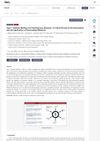
February 2023 in “Journal of Personalized Medicine” Type 1 diabetes often occurs with other autoimmune diseases, and personalized treatment based on genetics can improve outcomes.
12 citations
,
November 2022 in “Cosmetics” 3D printed microneedles are likely to become more common in cosmetics for better skin delivery.
 February 2026 in “MDPI (MDPI AG)”
 Exosome-based treatments may improve skin and hair issues, but more research is needed for safety and effectiveness.
 8 citations
,
October 2022 in “Regenerative Therapy”
8 citations
,
October 2022 in “Regenerative Therapy” New regenerative treatments for hair loss show promise but need more research for confirmation.
 January 2025 in “Medicina”
 Advanced techniques and technologies can improve burn wound healing, but more research is needed.
 January 2025 in “Journal of Personalized Medicine”
 People with Alopecia Areata are more likely to have prediabetes and obesity.
 3 citations
,
February 2023 in “International Journal of Molecular Sciences”
3 citations
,
February 2023 in “International Journal of Molecular Sciences” Autologous Platelet and Extracellular Vesicle-Rich Plasma (PVRP) has potential in enhancing tissue regeneration and improving hair conditions, but its effectiveness varies due to individual differences.
17 citations
,
February 2023 in “Cosmetics” 3D printed hollow microneedles could effectively treat skin wrinkles with fewer side effects.
89 citations
,
January 2021 in “Molecules” Biopolymeric composites need advanced properties for better use in medicine and healing.
January 2025 in “Pharmaceuticals” Peptide-based hydrogels are promising for healing chronic wounds effectively.
 January 2024 in “Molecules (Basel. Online)”
 Juglone from walnut extracts may help repair damaged hair.
28 citations
,
April 2021 in “Biomedicines” Creating fully functional in vitro hair follicles for alopecia treatment is still challenging.
25 citations
,
March 2024 in “Sustainability” Using food industry waste and fermentation can create sustainable cosmetics.
17 citations
,
October 2023 in “Molecules” Plant-derived PDRN from ginseng roots effectively heals skin and improves its barrier.
5 citations
,
August 2025 in “Biomedicines” Early detection and multidisciplinary management of skin and mouth side effects from breast cancer treatments improve patient outcomes.
 May 2026 in “Pharmaceuticals”
 Incretin-based drugs for obesity often cause gastrointestinal issues, with tirzepatide having the most reports.
4 citations
,
January 2021 in “Cell transplantation” Scientists found the best time to transplant human stem cells for hair growth is between days 16-18 when they have the right markers and growth potential.
 12 citations
,
June 2023 in “Journal of trace elements in medicine and biology”
12 citations
,
June 2023 in “Journal of trace elements in medicine and biology” Eating too much selenium can cause bad breath, hair loss, and nail changes, with harmful effects starting at low daily doses.
2 citations
,
May 2025 in “Journal of Clinical Medicine” Upadacitinib is safe and effective for treating alopecia areata and atopic dermatitis in children.
 129 citations
,
May 2015 in “Cell Stem Cell”
129 citations
,
May 2015 in “Cell Stem Cell” Different types of stem cells exist within individual skin layers, and they can adapt to damage, transplantation, or tumor growth. These cells are regulated by their environment and genetic factors. Tumor growth is driven by expanding, genetically altered cells, not long-lived mutant stem cells. There's evidence of cancer stem cells in skin tumors. Other cells, bacteria, and genetic factors help maintain balance and contribute to disease progression. A method for growing mini organs from single cells has been developed.
1 citations
,
August 2019 in “Journal of pediatric & adolescent gynecology” A new genetic change causing early stop in the androgen receptor gene was found in a patient with androgen insensitivity syndrome.
Genetic analysis of rabbits identified key genes for traits like coat color, body size, and fertility.
114 citations
,
February 2023 in “International Journal of Molecular Sciences” The skin microbiome is crucial for skin health, and more research is needed to explore its role and potential treatments.