13 citations
,
March 1999 in “Biochemical Journal” Overexpressing SSAT in mice makes them highly sensitive to polyamine analogues, causing liver damage and high mortality.
April 2026 in “C&EN Global Enterprise” Serotonin's role in mental health is complex and not fully understood, affecting treatment effectiveness.
 November 2024 in “Circulation”
 GLP1-RAs may have higher reports of suicide and hair loss, but no strong evidence links them to these issues.
Selenium levels are similar in healthy people from both high and low NPC risk areas.
 August 2023 in “Gadua Journal of Pure and Allied Science”
 Ziziphus spina-christi leaf extract lowered blood sugar and protected organs in diabetic rats.
 30 citations
,
June 2006 in “British journal of dermatology/British journal of dermatology, Supplement”
30 citations
,
June 2006 in “British journal of dermatology/British journal of dermatology, Supplement” Oral zinc sulphate reduces dark hair color in mice.
 7 citations
,
January 1995 in “Journal American Society of Mining and Reclamation”
7 citations
,
January 1995 in “Journal American Society of Mining and Reclamation” Excess selenium and sulfur in plants can harm animals, causing symptoms like hair loss and poor reproduction.
 December 2025 in “BJPsych Open”
 Semaglutide may worsen eating disorders in vulnerable individuals.
 78 citations
,
December 2011 in “Clinical toxicology”
78 citations
,
December 2011 in “Clinical toxicology” Excessive selenium from a supplement caused toxicity but patients recovered with care.
 July 2026 in “Clinical Cosmetic and Investigational Dermatology”
 Sesbania grandiflora improves hair growth and health.
 36 citations
,
January 2010 in “Human & experimental toxicology”
36 citations
,
January 2010 in “Human & experimental toxicology” Eating paradise nuts led to selenium poisoning, causing nausea, hair loss, and other symptoms in two women.
 October 2025 in “Scientific Reports”
 Serenoa repens extract shows promise as a natural treatment for prostate cancer.
 20 citations
,
February 2013 in “Nutrition”
20 citations
,
February 2013 in “Nutrition” Selenium-enriched green tea might be a safe prebiotic for gut health.
7 citations
,
March 2023 in “European Journal of Dermatology” Using Selenium Disulfide shampoo weekly helps prevent scalp dermatitis flare-ups.
 September 2024 in “Journal of the American Academy of Dermatology”
 Selenium disulfide shampoo effectively reduces dandruff and is well-liked by users.
 6 citations
,
February 2020 in “Journal of Natural Products”
6 citations
,
February 2020 in “Journal of Natural Products” A new compound from a sponge strongly inhibits an enzyme linked to male-pattern hair loss without being toxic at low levels.
 February 2024 in “Exposure and Health”
 Selenium supplements may reduce mercury levels in the hair of city dwellers in China.
305 citations
,
March 2008 in “AJP Endocrinology and Metabolism” SSAT is a key enzyme affecting cell growth and metabolism, with potential but risky use in disease treatment.
Selenium can be toxic to animals, causing serious health issues, especially in horses.
 30 citations
,
January 2023 in “EFSA journal”
30 citations
,
January 2023 in “EFSA journal” Adults should not consume more than 255 micrograms of selenium per day to avoid risk of hair loss and other side effects.
 January 2026 in “Quality in Sport”
 Semaglutide may help some skin disorders but can also cause skin issues.
June 2026 in “Annals of Clinical Pathology” Methylene blue, combined with ceramides, may reduce skin and hair side effects from GLP-1 therapy.
11 citations
,
January 1993 in “Journal of Veterinary Diagnostic Investigation” Horses in western Iowa got sick from high selenium in local alfalfa hay.
 1 citations
,
August 2023 in “Journal of cosmetic dermatology (Print)”
1 citations
,
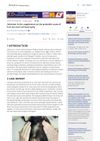
August 2023 in “Journal of cosmetic dermatology (Print)” Too much selenium can cause hair loss and nail problems.
2 citations
,
March 2013 in “BMJ Case Reports” Zinc levels remained low despite treatment, likely due to absorption issues.
20 citations
,
June 2020 in “Journal of Advanced Research” High-dose vitamin A and E with zinc improved blood sugar control and insulin function in diabetics, but may cause hair loss.
21 citations
,
June 1991 in “Journal of Inherited Metabolic Disease” Selenium deficiency caused symptoms in a child, which improved with selenium supplements.
 April 2025 in “International Journal of Pharmaceutical Sciences Review and Research”
 SesZen-Bio™ may be a promising and safer option for promoting hair growth.
 April 2016 in “Journal of Investigative Dermatology”
 MEK and BRAF inhibitors increase sebum production and accumulation, which could cause acne-like side effects.
618 citations
,
January 2018 in “Cochrane Database of Systematic Reviews” Selenium supplements do not prevent cancer and may increase certain health risks.