Machine learning improves DNA predictions for eye and hair color, but challenges remain for skin tone and facial features.
January 2026 in “Endocrinology” November 2025 in “Journal of Clinical Medicine” Advancements in regenerative science and longevity research can improve healthspans, but must be balanced with ethics and safety.
November 2025 in “Preprints.org” New-onset fibromyalgia after COVID-19 is poorly understood and needs more research.
November 2025 in “Skin Health and Disease” Addressing alexithymia can improve anxiety and depression in alopecia areata patients.
 September 2025 in “Cosmoderma”
 Pandemic stress worsens hair loss and skin issues, suggesting combined mental and skin care treatments.
 July 2025 in “Pharmaceuticals”
 Phenobarbital-loaded chitosan nanoparticles are promising for preventing hair loss from chemotherapy.
AI can personalize exercise routines to improve skin health.
May 2025 in “International Journal of Women’s Dermatology” 5-alpha reductase inhibitors and spironolactone don't increase gynecological tumor risk, glucagon-like-peptide-1 receptor agonists may increase alopecia risk, sanitary pads can cause dermatitis, early hidradenitis suppurativa intervention is crucial for Hispanic patients, community education boosts skin cancer awareness, metformin may improve skin cancer survival, LNG-IUDs can increase acne risk, machine learning accurately detects basal cell carcinoma, JAK-inhibitors may raise miscarriage risk, inclusive skincare ads affect those with darker skin, and CCCA in Black women might involve autoimmunity.
April 2025 in “Biomedical Journal of Scientific & Technical Research” Interactive teaching methods improve student engagement and understanding in medical education.
December 2024 in “Journal of Clinical Medicine” PCOS and eating disorders are linked by hormonal imbalances, needing personalized treatment.
November 2024 in “Psychology Health & Medicine” Psychological therapies may improve quality of life for people with alopecia areata.
 February 2024 in “BMC health services research”
 Policymakers should integrate criteria like risk of harm, skills, qualifications, and teamwork to define allied health professions in Malaysia.
 August 2023 in “Medicina-lithuania”
 Abusing steroids can damage your heart, muscles, reproductive system, liver, skin, and brain, and may increase the risk of Alzheimer's disease.
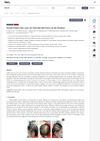
Different genes cause Female Pattern Hair Loss compared to male hair loss, and treatments vary, but more research is needed to understand it fully.
 May 2023 in “Materials research foundations”
 Nanomaterials like silver and gold can improve wound healing but need more research for safety.
 May 2023 in “BMC Women's Health”
 Many women who have used performance-enhancing drugs in Finland show high rates of mental health and substance use issues, and most have normal red blood cell counts.
 April 2023 in “JMIR Research Protocols”
 The study aims to create a model to predict health attributes using diverse health data from Japanese adults.

There are many ways to treat Polycystic Ovary Syndrome, including lifestyle changes, surgery, and various medications, but more research is needed for better treatments.
January 2022 in “Case Reports in Clinical Medicine” Infrared light helped heal acid burns and improved neck movement.
 February 2021 in “International journal of men's social and community health”
 Bald men's facial expressions are seen more negatively, and many men are dissatisfied with their bodies, including hair loss.
January 2023 in “Andrologia” American men are older, more obese, and have longer infertility than Canadian men.
October 2022 in “International Journal of Dermatology” Digital health platforms improve treatment for male pattern hair loss.
September 2022 in “Indian Journal of Dermatology, Venereology and Leprology” 92 citations
,
December 2020 in “Brain Sciences” Indian herbs like Bacopa monnieri and Centella asiatica may help memory, but more research is needed.
67 citations
,
September 2017 in “Cell Reports” Caloric restriction improves skin and fur structure but can cause muscle loss and movement issues.
34 citations
,
November 2023 in “Applied Materials Today” Nanoemulsions can effectively treat skin cancer with fewer side effects.
23 citations
,
April 2025 in “Journal of Clinical Medicine” AI can greatly improve plastic surgery, but ethical care and human aspects must remain a priority.
8 citations
,
May 2024 in “Diagnostics” AI chatbots can help teach dermatology but need careful checking for accuracy.
4 citations
,
March 2024 in “Forensic Sciences Research” Forensic DNA phenotyping faces challenges like inconsistent terms and limited genetic knowledge.