January 2026 in “Therapeutics” SCUBE3 is a potential target for cancer and alopecia treatment but is challenging to target due to its varied roles.
January 2026 in “Non-coding RNA Research” Exosomal miRNA-218-5p promotes hair growth and development.
Poly-D,L-lactic acid boosts hair growth in aged skin by activating hair follicle stem cells.
October 2025 in “Burns & Trauma” Engineered probiotics can help heal wounds faster, especially in diabetic foot ulcers.
October 2025 in “Preprints.org” Adipose mesenchymal stem cells are best for skincare because they reduce inflammation and are safe and effective.
September 2025 in “Biomolecules” The skin microenvironment significantly affects hair growth and loss, offering potential treatment avenues.
 March 2025 in “International Journal of Trichology”
 Injecting stem cells from a patient's own fat can improve hair growth in women with hair loss.
 August 2024 in “Cell Death and Disease”
 Activating TLR9 helps heal wounds and regrow hair by using specific immune cells.
 May 2024 in “The journal of investigative dermatology/Journal of investigative dermatology”
 β-Catenin is essential for new hair growth after skin injury.
 May 2024 in “Journal of Advanced Research”
 Communication between blood vessel and hair follicle cells decreases with age, affecting hair growth and blood vessel formation.

Different stem cells are key for hair growth and health, and understanding their regulation could help treat hair loss.
 October 2023 in “Biomaterials”
 Nanotechnology could improve hair regrowth but faces challenges like complexity and safety concerns.
 September 2023 in “Nature Communications”
 Immune cells are essential for skin regeneration using biomaterial scaffolds.
September 2023 in “Animals” Genes linked to wool fineness in sheep have been identified.
 August 2023 in “International Journal of Molecular Sciences”
 Human skin xenografting could improve our understanding of skin development, renewal, and healing.
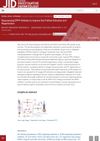 May 2023 in “Journal of Investigative Dermatology”
 Blocking DPP4 can potentially speed up hair growth and regeneration, especially after injury or in cases of hair loss.
 January 2023 in “Biomaterials Science”
 Certain genes are more active during wound healing in axolotl and Acomys, which could help develop materials that improve human wound healing and regeneration.
Different genes and pathways are active in yak skin and hair cells, affecting hair growth and immune responses.
Non-immune dermal cells dominate, epidermal cells increase after day 9, and certain immune cells persist beyond inflammation in wound-induced hair follicle regeneration.
August 2022 in “International Journal of Molecular Sciences” DNA methylation controls lncRNA2919, which negatively affects hair growth.
January 2022 in “Stem cell biology and regenerative medicine” New hair can grow at wound sites, which could help improve treatments for hair loss and wound healing.
July 2024 in “Journal of Investigative Dermatology” Inhibiting PDE8A may help treat hair loss by boosting fat cell growth and hair regeneration.
 2 citations
,
June 2024 in “Frontiers in Plant Science”
2 citations
,
June 2024 in “Frontiers in Plant Science” LLPS is crucial for RALF signaling, aiding plant growth and stress resilience.
July 2026 in “bioRxiv (Cold Spring Harbor Laboratory)” FAKΔe4 helps cells sense and respond to different stiffness levels in their environment.
 September 2025 in “Journal of the American Academy of Dermatology”
 Reducing SFRP1 can promote hair growth and may help treat hair loss.
28 citations
,
February 2010 in “Experimental Dermatology” The frizzy mouse and hairless rat mutations are due to changes in the Prss8 gene.
April 2018 in “Journal of Investigative Dermatology” Ceramide synthase 4 is essential for maintaining skin barrier health.
 January 2025 in “Bioengineering”
 Combining PRS with TAFR is promising for treating complex fistulas, with most patients achieving long-term healing.
51 citations
,
September 2013 in “JEADV. Journal of the European Academy of Dermatology and Venereology/Journal of the European Academy of Dermatology and Venereology” FRMS is a safe and effective treatment for acne scars in Asians with minimal side effects.
May 2026 in “Cell Reports Medicine” FR-1 reduces skin scarring and promotes healing without harmful effects.