 26 citations
,
March 1986 in “Clinical and Experimental Dermatology”
26 citations
,
March 1986 in “Clinical and Experimental Dermatology” Scalp hair grows at 0.37 mm/day, forearm hair at 0.18 mm/day, and thigh hair at 0.30 mm/day, with no significant differences found in people with certain hair conditions.
22 citations
,
August 1999 in “Mechanisms of Development” Pmg-1 and Pmg-2 are new genes important for skin and mammary gland development.
22 citations
,
July 1998 in “Journal of Investigative Dermatology” The 4C32 gene may help in mouse skin development and differentiation.
 18 citations
,
May 2018 in “International Journal of Molecular Sciences”
18 citations
,
May 2018 in “International Journal of Molecular Sciences” Human body's immune cells are more common in the layer of fat just beneath the skin than in deeper fat layers.
 17 citations
,
January 2006 in “Veterinary Dermatology”
17 citations
,
January 2006 in “Veterinary Dermatology” Topical melatonin and brushing did not affect hair regrowth in Siberian Huskies.
 16 citations
,
December 2019 in “Animals”
16 citations
,
December 2019 in “Animals” Overexpressing Tβ4 in goats' hair follicles increases cashmere production and hair follicle growth.
 14 citations
,
September 2009 in “International Journal of Dermatology”
14 citations
,
September 2009 in “International Journal of Dermatology” DCPA is a chronic leg infection often related to Staphylococcus aureus, affecting mostly young men in India.
 14 citations
,
January 2009 in “Experimental Dermatology”
14 citations
,
January 2009 in “Experimental Dermatology” Hair sheds gradually from the follicle, with readiness to shed indicated by less attachment material.
12 citations
,
October 2014 in “Journal of Applied Animal Research” Bakerwali goat skin thickens with age, especially on the neck, and shows strong lipid reactions in the keratin layer.
 9 citations
,
July 2020 in “Experimental Dermatology”
9 citations
,
July 2020 in “Experimental Dermatology” Topical L-thyroxine may help with wound healing and hair growth but should be used short-term due to potential risks.
7 citations
,
June 2017 in “Gene” Overexpression of FGF5s makes Chinese Merino sheep grow longer and heavier wool.
 7 citations
,
July 2008 in “Experimental Dermatology”
7 citations
,
July 2008 in “Experimental Dermatology” The study concluded that a protein important for hair strength is regulated by certain molecular processes and is affected by growth phases.
 5 citations
,
April 2022 in “Frontiers in Medicine”
5 citations
,
April 2022 in “Frontiers in Medicine” Hair and skin healing involve complex cell interactions controlled by specific molecules and pathways, and hair follicle cells can help repair skin wounds.
 5 citations
,
February 2019 in “PloS one”
5 citations
,
February 2019 in “PloS one” Bald thigh syndrome in sighthounds is caused by structural defects in hair shafts due to downregulated genes and proteins.
 5 citations
,
May 2018 in “PloS one”
5 citations
,
May 2018 in “PloS one” Both classical and L-type atypical BSE from cattle can infect goats with different incubation times, and tests can distinguish between the two strains.
 5 citations
,
September 1989 in “Journal of The American Academy of Dermatology”
5 citations
,
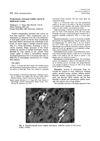
September 1989 in “Journal of The American Academy of Dermatology” Talc in street cocaine can cause immune-reactive skin nodules where injected.
 4 citations
,
January 2026 in “Cell Discovery”
4 citations
,
January 2026 in “Cell Discovery” Understanding wound healing involves coordinating different phases and areas to improve treatment strategies.
4 citations
,
May 2025 in “Cells” miR-370-3p slows sheep hair cell growth by blocking SMAD4.
 4 citations
,
July 2022 in “Veterinary medicine international”
4 citations
,
July 2022 in “Veterinary medicine international” Mange in rabbits is a serious disease that can spread to humans and is treated with medications and supportive care.
3 citations
,
August 2020 in “Animals” Researchers found a way to grow cashmere goat hair cells in a lab and discovered that certain conditions improve these cells' growth and characteristics.
 3 citations
,
May 2018 in “InTech eBooks”
3 citations
,
May 2018 in “InTech eBooks” Animal models, especially mice, are essential for advancing hair loss research and treatment.
 2 citations
,
November 2024 in “PeerJ”
2 citations
,
November 2024 in “PeerJ” Long non-coding RNAs play a role in hair growth stages of Hetian sheep, affecting wool quality.
 2 citations
,
November 2022 in “Scientific reports”
2 citations
,
November 2022 in “Scientific reports” Using gelatin sponges for deep skin wounds helps bone marrow cells repair tissue without scarring.
 2 citations
,
October 2022 in “International journal of Ayurvedic medicine”
2 citations
,
October 2022 in “International journal of Ayurvedic medicine” Licorice has many traditional health benefits, but more research is needed to fully support these claims.
 2 citations
,
May 2021 in “Scientific Reports”
2 citations
,
May 2021 in “Scientific Reports” Stress is likely causing hair loss in Formosan macaques.
 2 citations
,
November 2003 in “Humana Press eBooks”
2 citations
,
November 2003 in “Humana Press eBooks” Hair follicle cells can help heal wounds and study skin diseases.
 1 citations
,
December 2025 in “Frontiers in Pharmacology”
1 citations
,
December 2025 in “Frontiers in Pharmacology” Placental extracts have antioxidant, anti-inflammatory, and immune-boosting effects, but their exact workings are unclear.
1 citations
,
February 2025 in “Journal of Anatomy” Gray short-tailed opossums' skin shifts from helping with breathing to regulating body temperature as they grow.
 1 citations
,
May 2019 in “Veterinarski arhiv”
1 citations
,
May 2019 in “Veterinarski arhiv” The yeast found in a sea lion's skin lesion was almost identical to that on healthy skin, suggesting environmental factors may affect fungal growth and the cause of the lesion is unclear.
 1 citations
,
January 2016 in “Elsevier eBooks”
1 citations
,
January 2016 in “Elsevier eBooks” The document concludes that a complete skin restoration biomaterial does not yet exist, and more clinical trials are needed to ensure these therapies are safe and effective.