 1 citations
,
August 2020 in “IntechOpen eBooks”
1 citations
,
August 2020 in “IntechOpen eBooks” Old drugs like finasteride and spironolactone are being successfully used for hair loss and skin conditions, and many other drugs show promise for new uses in dermatology.
1 citations
,
October 2018 in “InTech eBooks” Ethosomes are a promising method for treating hair loss by delivering drugs directly to the scalp.
 1 citations
,
January 2018 in “Springer eBooks”
1 citations
,
January 2018 in “Springer eBooks” Photobiomodulation is an effective and safe treatment for increasing hair growth in people with hair loss.
1 citations
,
May 2017 in “InTech eBooks” New treatments focusing on immune pathways show promise for stubborn hair loss.
1 citations
,
January 2016 in “Dermatology Online Journal” Triangular temporal alopecia can occur in adults and should be correctly identified to prevent misdiagnosis.
 1 citations
,
March 2014 in “TURKDERM”
1 citations
,
March 2014 in “TURKDERM” Hair follicle stem cells are crucial for hair growth and regeneration.
 1 citations
,
September 2013 in “Elsevier eBooks”
1 citations
,
September 2013 in “Elsevier eBooks” Hair ages and thins due to factors like inflammation and stress, and treatments like antioxidants and hormones might improve hair health.
 July 2026 in “International Journal of Molecular Sciences”
 TSG-enriched Polygonum multiflorum extract may effectively treat hair loss by blocking 5α-reductase and activating hair growth pathways.
 June 2026 in “Journal of Clinical Medicine”
 The new scalp therapy shows promise for hair growth but needs more research.
 June 2026 in “World Journal of Urology”
 Long-term finasteride use may lead to earlier use of ED medication and lower prostate cancer diagnosis rates.
 May 2026 in “Theranostics”
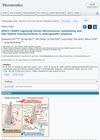
 Targeting DKK3–CKAP4 can help reverse hair loss in androgenetic alopecia.
 May 2026 in “International Journal of Drug Delivery Technology”
 Herbs like hibiscus, onion, and aloe vera may help hair growth and are good alternatives to conventional treatments.
 May 2026 in “Premier journal of science.”
 Future treatments for hair loss may focus on personalized and regenerative approaches.
May 2026 in “Skin Appendage Disorders” Lasers and energy-based devices effectively and safely treat hair loss, especially when combined with other treatments.
 May 2026 in “Microorganisms”
 Herbal extract shampoo improves scalp health and hair growth in seborrheic alopecia.
 May 2026 in “Journal of the Egyptian Womenʼs Dermatologic Society”
 Impaired autophagy may contribute to alopecia areata.
 April 2026 in “Dermatology Practical & Conceptual”
 AMT may be more effective than finasteride for hair growth in androgenetic alopecia.

Cetirizine-loaded gel may effectively promote hair growth in alopecia.
April 2026 in “World Allergy Organization Journal” Allergic rhinitis increases hair loss risk, but antihistamines can reduce it.
 April 2026 in “Stem Cell Research & Therapy”
 Regenerative treatments improve hair growth in androgenetic alopecia with mild side effects.
 April 2026 in “Journal of Inflammation Research”
 Alopecia areata and atopic dermatitis share immune system issues, and treatments like JAK inhibitors can help both.
 February 2026 in “Biomedicines”
 Nanotechnology offers promising new treatments for hair loss by improving targeted delivery and addressing key causes.
 February 2026 in “Journal of Nanobiotechnology”
 A new treatment using a special gel with miR-665 reduces inflammation and helps hair regrow in alopecia areata.
 February 2026 in “American Journal of Clinical Dermatology”
 Spironolactone is effective for treating female hair loss, with new treatments like clascoterone showing promise.
 February 2026 in “Cureus”
 Castor oil may improve hair and skin health with minimal side effects.
 February 2026 in “Archives of Dermatological Research”
 Microneedle-delivered polyglutamate effectively and safely improves hair growth in androgenetic alopecia.
February 2026 in “Trends in Sciences” i-PRF-derived exosomes can effectively promote hair growth and improve hair health in androgenetic alopecia.
 January 2026 in “BMC Public Health”
 Family history, smoking, alcohol, poor sleep, obesity, and insulin issues increase the risk of hair loss.
January 2026 in “Medicine” Higher LDL cholesterol may increase the risk of hair loss, while HDL cholesterol does not.
 January 2026 in “Applied Biological Chemistry”
 Ishophloroglucin A from Ishige okamurae may be a natural alternative for treating hair loss by inhibiting 5α-reductase and promoting hair growth.