53 citations
,
July 2002 in “Journal of Investigative Dermatology” The Dfl mutation in mice causes poor sebaceous gland function and complete hair loss.
 4 citations
,
January 2020 in “Cells”
4 citations
,
January 2020 in “Cells” The research found that the gene activity in mouse skin stem cells changes significantly as they age.
The mutation helps mice handle heat better without affecting hair growth.
15 citations
,
February 2011 in “Experimental Dermatology” Betamethasone dipropionate reduced skin thickness, fish oil increased it, and combined treatment had no significant effect.
46 citations
,
October 2022 in “Biomaterials” January 2013 in “University Libraries (University of Maryland)” Selenium helps protect cells from aging and damage, especially under stress.
January 2019 in “Springer eBooks” PLGA nanospheres in cosmetics improve skin and hair treatment effectiveness.
 February 2026 in “International Journal of Molecular Sciences”
 Removing Lrig1-positive cells in mice leads to temporary loss of sebaceous glands.
July 2025 in “Burns & Trauma” 3D cell spheroids can help reduce scars by delivering therapeutic vesicles.
 29 citations
,
March 2010 in “Journal of Endocrinological Investigation”
29 citations
,
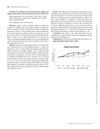
March 2010 in “Journal of Endocrinological Investigation” Lipocalin-2 levels are higher in women with PCOS and may indicate insulin resistance.
 May 2024 in “Journal of colloid and interface science”
 The hydrogel helps skin heal by encouraging new blood vessel growth.
110 citations
,
January 2014 in “Journal of Controlled Release” Phospholipid-coated nanoparticles penetrate hair follicles better than others, especially in pig ears.
92 citations
,
May 2004 in “Journal of Investigative Dermatology”  8 citations
,
June 2012 in “PloS one”
8 citations
,
June 2012 in “PloS one” Mutations in Plcd1 and Plcd3 together cause severe hair loss in mice.
8 citations
,
February 1968 in “Australian Journal of Zoology” The southern elephant seal's skin layer helps waterproof the skin by being tightly connected to hair shafts.
 48 citations
,
March 2022 in “Nano Letters”
48 citations
,
March 2022 in “Nano Letters” The document explains how to make antibacterial microneedles inspired by lamprey teeth to help heal infected wounds.
1 citations
,
November 2023 in “Life” Hyaluronic acid injections can improve mouth opening and quality of life in scleroderma patients.
 2 citations
,
April 2023 in “Stem Cell Research & Therapy”
2 citations
,
April 2023 in “Stem Cell Research & Therapy” Tiny fat-derived particles can help repair soft tissues by changing immune cell types.
35 citations
,
April 2021 in “Current Biology”  May 2023 in “Research Square (Research Square)”
 Blocking the HEDGEHOG-GLI1 pathway can reduce keloid growth and may be a potential treatment.
3 citations
,
March 1981 in “Journal of Toxicology and Environmental Health” Rats developed lung issues from the drugs, but these cleared quickly after stopping them.
24 citations
,
June 2018 in “PubMed” Serenoa repens extract helps regrow hair and repair hair loss by activating certain cell growth pathways.
 1 citations
,
June 2019 in “Current developments in nutrition”
1 citations
,
June 2019 in “Current developments in nutrition” A combination of arginine silicate complex and magnesium biotinate improves hair and nail growth in rats.
65 citations
,
April 2007 in “Chemistry and Physics of Lipids” Steroid hormones change the size, charge, and stability of DPPC liposomes.

The serum improved hair growth and comfort after hair transplant.
6 citations
,
February 2025 in “International Journal of Molecular Sciences” The new system greatly improves carvedilol's solubility and effectiveness.
 37 citations
,
July 2016 in “Current Opinion in Cell Biology”
37 citations
,
July 2016 in “Current Opinion in Cell Biology” Live imaging has advanced our understanding of stem cell behavior and raised new research questions.
333 citations
,
March 2000 in “Proceedings of the National Academy of Sciences” Overexpressing GLI-1 in mice skin can cause tumors like human basal cell carcinomas.
 December 2025 in “BMC Medical Genomics”
 Hair follicles can be used to study gene expression and understand conditions like COPD.
Lichen spinulosus, usually seen in young people, can rarely occur in adults, as shown by a 52-year-old woman with a rough, bumpy rash.