Search
for
Sort by
Research
390-420 / 1000+ results
research Minoxidil 1 mg oral versus minoxidil 5% topical solution for the treatment of female-pattern hair loss: A randomized clinical trial
Oral minoxidil and topical minoxidil 5% both effectively improve female-pattern hair loss with safe side effects.
research Safety of low-dose oral minoxidil for hair loss: A multicenter study of 1404 patients
Low-dose oral minoxidil safely treats hair loss, with hypertrichosis as main side effect.
research 5‐alpha‐reductase inhibitors are associated with reduced frequency of COVID‐19 symptoms in males with androgenetic alopecia
5-alpha-reductase inhibitors may reduce COVID-19 symptoms in bald males.
research Androgen receptor genetic variant predicts COVID‐19 disease severity: a prospective longitudinal study of hospitalized COVID‐19 male patients
A certain genetic variant in the androgen receptor may predict the severity of COVID-19 in men.
research Treatment of male and female pattern hair loss with sublingual minoxidil: a retrospective case‐series of 64 patients
Sublingual minoxidil effectively treats hair loss with mild side effects.
research Safety of oral bicalutamide in female pattern hair loss: A retrospective review of 316 patients
Oral bicalutamide is safe and effective for female hair loss.
research Response of alopecia areata of the beard to oral tofacitinib
Oral tofacitinib is a promising treatment for beard hair loss in alopecia areata.

research Oral minoxidil bio‐activation by hair follicle outer root sheath cell sulfotransferase enzymes predicts clinical efficacy in female pattern hair loss
Minoxidil activation by hair enzymes predicts treatment success for female hair loss.
research Prostaglandins in androgenetic alopecia in 12 men and four female
research Female pattern hair loss in men: A distinct clinical variant of androgenetic alopecia
Men can experience female pattern hair loss, needing different treatments.
research Dutasteride intralesional microinjections in combination with oral minoxidil vs. oral minoxidil monotherapy in men with androgenetic alopecia: a retrospective analysis of 105 patients
Combining dutasteride injections with oral minoxidil may improve hair regrowth more than using oral minoxidil alone.
research Global expression profile and global genome methylation signatures in male patients with androgenetic alopecia
Differences in gene expression and methylation patterns found in AGA patients suggest potential targets for future treatments.

research Treatment of androgenetic alopecia in transgender people receiving testosterone therapy with sublingual minoxidil: A randomized, double-blind, placebo-controlled clinical trial
Sublingual minoxidil safely increases hair growth in transgender people on testosterone therapy.

research Sublingual Minoxidil 5 mg versus Oral Minoxidil 5 mg for male androgenetic alopecia: A double‐blind randomized clinical trial
Sublingual and oral minoxidil are equally effective for hair growth, but sublingual causes fewer palpitations.

research 61720 The effect of sublingual minoxidil on androgenetic alopecia in transgender individuals receiving testosterone for gender-affirmation: A 24-week single-centre double-blinded, randomized, placebo-controlled clinical trial
Sublingual minoxidil significantly improves hair growth in transgender individuals on testosterone therapy.
research The reliability of horizontally sectioned scalp biopsies in the diagnosis of chronic diffuse telogen hair loss in women
Horizontally sectioned scalp biopsies are more reliable for diagnosing hair loss in women when three samples are taken instead of one.
research Chronic telogen effluvium: A study of 5 patients over 7 years
Most patients with chronic hair shedding did not progress to permanent hair loss, and one showed improvement with treatment.
research Anti‐androgens may protect against severe COVID‐19 outcomes: results from a prospective cohort study of 77 hospitalized men
Anti-androgens, like finasteride, dutasteride, and spironolactone, may lessen the severity of COVID-19 in men, leading to fewer ICU admissions.
research Cyclosporine for moderate-to-severe alopecia areata: A double-blind, randomized, placebo-controlled clinical trial of efficacy and safety
Cyclosporine showed some improvement in alopecia areata but results were not statistically significant.
research Clinical symptoms of hyperandrogenic women diagnosed with COVID‐19
Women with high androgen levels may have more severe COVID-19 symptoms.

research Towards a consensus on how to diagnose and quantify female pattern hair loss – The ‘Female Pattern Hair Loss Severity Index (FPHL-SI)’
New method measures female hair loss: Female Pattern Hair Loss Severity Index (FPHL-SI).
research Refractory folliculitis decalvans treated with adalimumab: A case series of 23 patients
Adalimumab improved folliculitis decalvans in most patients.
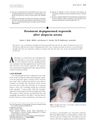
research Persistent depigmented regrowth after alopecia areata
Depigmented hair regrowth after alopecia areata can be permanent.
research Maintenance, withdrawal, and re-treatment with ritlecitinib and brepocitinib in patients with alopecia areata in a single-blind extension of a phase 2a randomized clinical trial
Continuous treatment with ritlecitinib and brepocitinib is needed to maintain hair regrowth in alopecia areata.
research Long‐term safety and efficacy of ritlecitinib in adults and adolescents with alopecia areata and at least 25% scalp hair loss: Results from the ALLEGRO‐LT phase 3, open‐label study
Ritlecitinib is effective and safe for treating alopecia areata, promoting significant hair regrowth.
research Oral minoxidil improves background hair thickness in lichen planopilaris
Oral minoxidil can increase or maintain hair thickness in most people with lichen planopilaris, with mild side effects.
research Patterns of clinical response in patients with alopecia areata treated with ritlecitinib in the ALLEGRO clinical development programme
Ritlecitinib shows promise for treating alopecia areata, especially with early and extended treatment.
research Chronic telogen effluvium in a man
The document concludes that a man's long hair may have helped diagnose his rare case of chronic hair shedding, for which no treatment is advised.
research Sustained hair regrowth with continued ritlecitinib treatment through week 48 in patients with alopecia areata with or without early target responses: Post hoc analysis of the ALLEGRO phase 2b/3 trial
Continued ritlecitinib treatment helps sustain hair regrowth in alopecia areata patients.