1 citations
,
October 2025 in “International Journal of Dermatology” Ritlecitinib improves emotional well-being and activity levels in alopecia areata patients.
 May 2026 in “Journal of the American Academy of Dermatology”
 Sublingual minoxidil safely increases hair growth in transgender people on testosterone therapy.
 September 2025 in “Australasian Journal of Dermatology”
 New medications could improve treatment for severe alopecia areata in Australia.
August 2025 in “Australasian Journal of Dermatology” Experts created guidelines for who in Australia can get subsidized JAK inhibitor therapy for alopecia areata.
 February 2024 in “Journal of the European Academy of Dermatology and Venereology”
 Baricitinib is effective and safe for long-term use in severe alopecia areata, improving hair regrowth and quality of life with few side effects.
May 2011 in “Psychiatric News” Horizant has risks like other seizure drugs, Johnson & Johnson misled about Risperdal, and Quanterix found a possible link between brain oxygen loss and Alzheimer's markers.
 42 citations
,
July 2021 in “Frontiers in Medicine”
42 citations
,
July 2021 in “Frontiers in Medicine” Proxalutamide significantly lowered hospital admissions for male COVID-19 patients compared to a placebo.
13 citations
,
February 2025 in “Journal of the European Academy of Dermatology and Venereology” Ritlecitinib shows promise for treating alopecia areata, especially with early and extended treatment.
5 citations
,
May 2024 in “Australasian Journal of Dermatology” Alopecia areata significantly affects emotional well-being and daily activities, suggesting a need for patient-centered care.
4 citations
,
November 2025 in “Nature Reviews Disease Primers” 1 citations
,
May 2025 in “Australasian Journal of Dermatology” Caregivers of teens with alopecia areata face significant mental and work-related challenges.
June 2026 in “Dove Medical Press (Taylor and Francis Group)” JAK inhibitors show promise for treating alopecia areata, but long-term safety and emotional support are important.
 July 2023 in “Australasian Journal of Dermatology”
 The analysis found that alopecia areata, a hair loss condition, is not very common in Australia, affecting about 0.13% of people, with new cases most often seen in males aged 19 to 34 years.
 June 2023 in “Clinical and Experimental Dermatology”
 Gender-affirming hormone therapy changes hair growth in transgender people, with feminizing therapy reducing hair and masculinizing therapy increasing it, but sometimes additional treatment is needed.
130 citations
,
March 2014 in “Proceedings of the National Academy of Sciences of the United States of America” Epidermal Wnt/β-catenin signaling controls fat cell formation and hair growth.
 May 2025 in “JEADV Clinical Practice”
 Hair specialists vary in testing for alopecia areata, highlighting the need for standard guidelines.
 20 citations
,
November 2005 in “Journal of Investigative Dermatology Symposium Proceedings”
20 citations
,
November 2005 in “Journal of Investigative Dermatology Symposium Proceedings” IFN-γ and IL-2 are important for T cell activation in hair loss in mice.
 March 2022 in “Wound practice & research”
 New treatments for alopecia areata show promise, but standardized guidelines are needed.
 July 2021 in “British Journal of Dermatology”
 A woman with systemic sclerosis developed a unique scarring hair loss combining features of systemic sclerosis and frontal fibrosing alopecia.
 31 citations
,
February 2016 in “American Journal of Men's Health”
31 citations
,
February 2016 in “American Journal of Men's Health” Finasteride can cause serious emotional side effects; doctors should check patients' mental health history before prescribing.
 5 citations
,
September 2020 in “Journal of Cosmetic Dermatology”
5 citations
,
September 2020 in “Journal of Cosmetic Dermatology” Dexpanthenol improves hair growth and satisfaction in women without side effects.

PRP injections effectively improve stress urinary incontinence in women.
 July 2003 in “British Journal of Dermatology”
 Some skin conditions are associated with other serious diseases, and office microscopy may miss many fungal infections.
 2 citations
,
April 2021 in “Journal of The American Academy of Dermatology”
2 citations
,
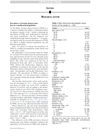
April 2021 in “Journal of The American Academy of Dermatology” Female pattern hair loss affects 32.3% of women, increasing with age and showing no racial differences.
 1 citations
,
May 2017 in “Journal of the American Academy of Dermatology”
1 citations
,
May 2017 in “Journal of the American Academy of Dermatology” Tofacitinib helped a teenager with severe hair loss grow hair back, but more research is needed.
 108 citations
,
March 2006 in “Archives of Dermatology”
108 citations
,
March 2006 in “Archives of Dermatology” Finasteride with oral contraceptive helps improve hair loss in premenopausal women.
 35 citations
,
October 2012 in “Dermatologic Clinics”
35 citations
,
October 2012 in “Dermatologic Clinics” Autoimmune diseases can cause hair loss, and early treatment is important to prevent permanent damage.
 9 citations
,
October 2019 in “Dermatologic Therapy”
9 citations
,
October 2019 in “Dermatologic Therapy” Oral tofacitinib has a moderate success rate and is generally safe for treating hair loss in some patients.
 1 citations
,
June 2025 in “Supportive Care in Cancer”
1 citations
,
June 2025 in “Supportive Care in Cancer” Docetaxel chemotherapy causes more long-term hair loss and dissatisfaction than paclitaxel.