 April 2017 in “Journal of Investigative Dermatology”
 Targeted siRNA therapy may be a promising treatment for KID syndrome by reducing mutant gene expression and improving cell communication.
 September 2025 in “Journal of Medicinal Chemistry”
 AR-27 E-Chol siRNA can effectively regrow hair by reducing androgen receptor gene activity.
September 2025 in “OPAL (Open@LaTrobe) (La Trobe University)” AR-27 E-Chol siRNA can effectively promote hair regrowth for androgenetic alopecia.
2 citations
,
February 2024 in “STAR Protocols” The document provides a method to prepare human scalp tissue for studying hair follicles at the single-cell level.
Dual TCR Treg cells are common in mouse tissues and vary by location.
Dual TCR Treg cells are common in various mouse tissues and show diverse characteristics.
 August 2023 in “Journal of Investigative Dermatology”
 Different body areas have unique skin cell communication patterns, explaining why certain skin diseases occur in specific regions.
January 2026 in “ACS Applied Bio Materials” A new treatment using nanoliposomes can improve hair regrowth in androgenetic alopecia.
11 citations
,
October 2023 in “mSphere” PrrH sRNA controls pyochelin production in *Pseudomonas aeruginosa*.
4 citations
,
January 2023 in “bioRxiv (Cold Spring Harbor Laboratory)” PrrH sRNA controls pyochelin gene expression in Pseudomonas aeruginosa based on heme levels.
 June 2025 in “Medical academic journal”
 Modified liposomes with exosomes effectively deliver RNA to stem cells.
10-20% of mouse Tregs have dual TCRs, suggesting potential functional benefits.
May 2026 in “Mendeley Data” May 2026 in “Mendeley Data” May 2026 in “Mendeley Data”  1 citations
,
June 2021 in “Wal afiat Hospital Journal”
1 citations
,
June 2021 in “Wal afiat Hospital Journal” Normal BMI is linked to higher rates of androgenetic alopecia.
 July 2022 in “Fakumi Medical Journal”
 There is a significant relationship between androgenic alopecia, hypertension, and diabetes mellitus.
253 citations
,
April 2009 in “Journal of Biological Chemistry” p2y5, now called LPA6, is a receptor important for human hair growth.
104 citations
,
December 2004 in “Journal of Neurochemistry” Androgens help motor neurons grow by increasing neuritin.
 24 citations
,
April 2017 in “Oncology Reports”
24 citations
,
April 2017 in “Oncology Reports” The hair keratin gene KRT81 is found in both normal and breast cancer cells and helps them invade surrounding tissues.
 19 citations
,
September 2011 in “Journal of Dermatological Science”
19 citations
,
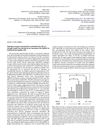
September 2011 in “Journal of Dermatological Science” TGF-β1 increases androgen receptor activity in hair loss, but Hic-5/ARA55 can counter this effect.
 18 citations
,
June 2012 in “Archives of Dermatological Research”
18 citations
,
June 2012 in “Archives of Dermatological Research” Vitamin D boosts a specific protein in skin cells linked to hair follicles.
 11 citations
,
May 2015 in “Stem Cells Translational Medicine”
11 citations
,
May 2015 in “Stem Cells Translational Medicine” Megestrol acetate helps fat-derived stem cells grow, move, and turn into fat cells through a specific receptor.
 10 citations
,
May 2018 in “Cell death discovery”
10 citations
,
May 2018 in “Cell death discovery” HSP90 and lamin A/C are crucial for hair growth and could be targets for treating hair loss.
 10 citations
,
January 2016 in “Elsevier eBooks”
10 citations
,
January 2016 in “Elsevier eBooks” Nanoparticles can speed up wound healing and deliver drugs effectively but may have potential toxicity risks.
 10 citations
,
December 2015 in “International Journal of Molecular Sciences”
10 citations
,
December 2015 in “International Journal of Molecular Sciences” PDCD4 is important for controlling skin cell growth and healing.
 9 citations
,
October 2013 in “Journal of Investigative Dermatology”
9 citations
,
October 2013 in “Journal of Investigative Dermatology” The OVOL1 gene, controlled by β-catenin, is crucial for creating hair follicles.
 8 citations
,
October 2022 in “International Journal of Molecular Sciences”
8 citations
,
October 2022 in “International Journal of Molecular Sciences” Self-amplifying RNA could be a better option for protein replacement therapy with lower doses and lasting effects, but delivering it into cells is still challenging.
 6 citations
,
January 2016 in “Journal of Stem Cell Research & Therapy”
6 citations
,
January 2016 in “Journal of Stem Cell Research & Therapy” Notch1 signaling is crucial for improving wound healing and skin regeneration by affecting stem cell behavior.
 5 citations
,
October 2020 in “Frontiers in Cell and Developmental Biology”
5 citations
,
October 2020 in “Frontiers in Cell and Developmental Biology” Reducing FOXA2 in skin cells lowers their ability to grow hair.