1 citations
,
November 2025 in “Neuro-Oncology” Safusidenib erbumine shows promise as a treatment for certain brain tumors, but mild side effects like hair loss need attention.
2 citations
,
May 2024 in “The Turkish Journal of Gastroenterology” Tacrolimus treatment for autoimmune hepatitis can cause hair loss.
 January 2024 in “Journal of Crohn's and colitis”
 Janus Kinase inhibitors are effective and have an acceptable safety profile for treating moderate to severe Ulcerative Colitis.
4 citations
,
January 2020 in “PubMed” JAK inhibitors may become the first approved treatment for alopecia areata if they are proven safe and effective.
 April 2025 in “BMC Immunology”
 Targeting SIRT1 with antisense oligonucleotides could be a promising treatment for hair loss.
2 citations
,
March 2026 in “Journal of Dermatological Treatment” JAK inhibitors for alopecia areata have different safety risks, requiring specific monitoring for each drug.

Hair loss from immunosuppressive drugs in transplant patients can affect well-being and treatment adherence, so personalized management is important.
5 citations
,
May 2023 in “Clinical Rheumatology” Tofacitinib helped regrow hair in a lupus patient with alopecia.
6 citations
,
May 2024 in “JAAD Case Reports” Topical ruxolitinib cream may help treat frontal fibrosing alopecia.
 5 citations
,
March 2025 in “World Journal of Urology”
5 citations
,
March 2025 in “World Journal of Urology” Digital health technology improves health and medication adherence in kidney transplant patients.
 49 citations
,
August 2018 in “International Journal of Dermatology”
49 citations
,
August 2018 in “International Journal of Dermatology” Topical JAK inhibitors may help treat alopecia universalis by promoting hair regrowth.
54 citations
,
July 1994 in “Journal of Dermatological Science” FK506 may stimulate hair growth when applied to the skin.
 June 2024 in “Archives of Medical Science”
 Telitacicept effectively improved hair regrowth in a woman with lupus and alopecia.
 5 citations
,
February 2019 in “bioRxiv (Cold Spring Harbor Laboratory)”
5 citations
,
February 2019 in “bioRxiv (Cold Spring Harbor Laboratory)” Rapamycin may help treat Leigh syndrome by targeting protein kinase C.
20 citations
,
September 1983 in “Archives of dermatology” The new synthetic retinoid RO 13-6298 effectively treated severe psoriasis at low doses with manageable side effects.
Anifrolumab improves quality of life and reduces steroid use in lupus patients.
 5 citations
,
February 2024 in “Clinical Pharmacokinetics”
5 citations
,
February 2024 in “Clinical Pharmacokinetics” A 50 mg daily dose of ritlecitinib is effective for alopecia areata, with temporary treatment breaks up to 6 weeks not affecting results.
April 2025 in “The Journal of Dermatology” Janus kinase inhibitors may help treat cutaneous T-cell lymphoma, but more research is needed.
 August 1994 in “Journal of dermatological science”
 Cyclosporin A and FK506 can start new hair growth in mice, but ascomycin and rapamycin cannot.
 January 2021 in “Anais do Congresso Brasileiro de Reumatologia 2020”
 Tofacitinib improved arthritis and partially improved hair loss in a lupus patient without side effects.
 6 citations
,
April 2021 in “Frontiers in Immunology”
6 citations
,
April 2021 in “Frontiers in Immunology” A patient with lupus and long-term hair loss saw significant hair regrowth after using the drug tofacitinib.
May 2025 in “Journal of the European Academy of Dermatology and Venereology” Etrasimod is safe but not effective for severe alopecia areata, though it may help milder cases.
 March 2026 in “Journal of Translational Autoimmunity”
 Ruxolitinib helps regrow hair in alopecia areata by blocking inflammation, reducing stress, and controlling cell death.
 April 2023 in “Journal of Investigative Dermatology”
 The study created special nanoparticles that effectively deliver an anti-inflammatory drug to treat skin inflammation in psoriasis.
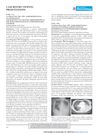 1 citations
,
May 2025 in “The Journal of Rheumatology”
1 citations
,
May 2025 in “The Journal of Rheumatology” Upadacitinib may help treat difficult cases of systemic lupus erythematosus.
 8 citations
,
October 2022 in “Dermatology practical & conceptual”
8 citations
,
October 2022 in “Dermatology practical & conceptual” Tofacitinib and ruxolitinib are effective and safe for treating various autoimmune skin and joint disorders.
 January 2025 in “The Egyptian Journal of Hospital Medicine”
 Baricitinib is effective and safe for treating localized vitiligo, alone or with topical tacrolimus.
 9 citations
,
July 2017 in “Journal of medical case reports”
9 citations
,
July 2017 in “Journal of medical case reports” Ruxolitinib treatment may cause eyelash growth.
 April 2024 in “Frontiers in pharmacology”
 Brepocitinib 30mg is most effective for moderate-to-severe alopecia areata, but ritlecitinib 50mg may offer a better balance of safety and effectiveness.
November 2025 in “Journal of Dermatological Treatment” Dexamethasone oral mini-pulse therapy effectively treats severe alopecia areata when JAK inhibitors can't be used.