 December 2025 in “Scientific Reports”
 Gut microbiota and metabolic pathways may play a key role in PCOS development.
 October 2025 in “Pakistan journal of urology.”
 Personalized, minimally invasive treatments improve urology outcomes.
 July 2025 in “Journal of medical & health sciences review.”
 Ultrasound-assisted gene therapy could revolutionize tissue regeneration by improving gene delivery.
 March 2025 in “Pakistan Journal of Scientific & Industrial Research Series A Physical Sciences”
 Personalized management and lifestyle changes are key to effectively managing PCOS.
 February 2025 in “Journal of Nutrients”
 Bone broth may improve health and prevent diseases.
 February 2025 in “bioRxiv (Cold Spring Harbor Laboratory)”
 Hair follicles protect melanocytes from sun damage, helping them replenish skin.
 January 2025 in “Directory of Open access Books (OAPEN Foundation)”
 PCOS affects women's hormones and metabolism, but can be managed with lifestyle changes and treatments.
 January 2025 in “Bright Sky Publications eBooks”
 Aesthetic medicine is rapidly advancing with new technologies for safer, personalized, and less invasive treatments.
 December 2024 in “Deleted Journal”
 New therapies show promise for wound healing, but more research is needed for safe, affordable options.
 December 2024 in “Frontiers in Veterinary Science”
 Dorper sheep's wool shedding is linked to specific genes and pathways, which may help understand human hair growth.
 December 2024 in “African Journal of Biomedical Research”
 Combining lifestyle changes and medication is most effective for managing PCOS symptoms.

Minoxidil and nebivolol can help prevent aortic aging in diabetic mice.
 April 2024 in “International Journal of Advanced Multidisciplinary Research and Studies”
 Early investigation and a team approach are crucial for managing primary amenorrhea effectively.
 January 2024 in “Clinical, cosmetic and investigational dermatology”
 Dermatologists should customize cosmetic treatments for dark-skinned patients to minimize risks and complications.
 December 2023 in “Frontiers in endocrinology”
 Excess androgens may cause PCOS, not just be a symptom.
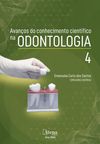
The treatment improved facial structure and corrected bite issues in patients.

PCOS requires personalized treatment to improve life quality and reduce health risks.
 October 2023 in “Frontiers in endocrinology”
 Effective PCOS treatments require targeting specific signaling pathways.
 October 2023 in “bioRxiv (Cold Spring Harbor Laboratory)”
 Immune cells are essential for early hair and skin development and healing.
 September 2023 in “Frontiers in cell and developmental biology”
 Vav2 changes how hair follicle stem cells' genes work as they age, which might improve regeneration but also raise cancer risk.
 September 2023 in “Nature communications”
 Alk1 in specific cells is crucial for proper nerve branching and hair function.
 September 2023 in “Frontiers in bioengineering and biotechnology”
 JAGGED1 could help regenerate tissues for bone loss and heart damage if delivered correctly.
 August 2023 in “Natural Resources for Human Health”
 Vegetarians should take B vitamin supplements to avoid health issues.
 May 2023 in “Journal of complementary medicine & alternative healthcare”
 Ayurveda's descriptions of genetic disorders align with modern genetic understanding.
 April 2023 in “Digital Library of Theses and Dissertations (Universidade de São Paulo)”
 Mesenchymal stem cells from laser-assisted liposuction are as effective and safe as those from conventional liposuction for cell therapy.

Mesenchymal stem cells from laser-assisted liposuction are as effective and safe as those from conventional methods for cell therapy.
 January 2023 in “bioRxiv (Cold Spring Harbor Laboratory)”
 Newly born mesenchymal cells quickly spread out in response to tissue tension during early development.
 January 2023 in “Annali di stomatologia”
 PRP helps heal and repair tissues in medicine but needs more research for better use.
 January 2023 in “Journal of orthopedics & bone disorders”
 Platelet-rich plasma may not be very effective for bone healing and hair growth due to a substance it contains that blocks these processes.

There is no cure for myotonic dystrophy type 1, so treatment focuses on managing symptoms and complications.