 1 citations
,
March 2014 in “TURKDERM”
1 citations
,
March 2014 in “TURKDERM” Understanding hair follicles can lead to new treatments for hair loss and skin tumors.
 1 citations
,
June 2013 in “Medicine”
1 citations
,
June 2013 in “Medicine” A thorough skin history and full examination are important for diagnosing and understanding the impact of skin diseases.
 1 citations
,
June 2012 in “Actas Dermo-Sifiliográficas”
1 citations
,
June 2012 in “Actas Dermo-Sifiliográficas” Early and aggressive treatment of scarring alopecia is important to prevent further hair follicle damage.

Iron deficiency anemia can cause itching, which often improves with iron supplements.
 May 2026 in “International Journal of Advanced Biochemistry Research”
 A multimodal treatment approach significantly improved the Labrador's skin condition and itching.
 March 2026 in “Cosmoderma”
 Venusia CeraPlus cream and lotion effectively reduce eczema severity and improve skin moisture.
 January 2026 in “Journal of Biosciences and Medicines”
 Chronic kidney disease can cause skin issues that need early recognition and combined treatment for better outcomes.
 October 2025 in “Buletin Veteriner Udayana”
 Early diagnosis and treatment of Notoedres cati in cats is crucial for recovery and preventing reinfestation.
 September 2025 in “OBM Genetics”
 Early diagnosis and comprehensive management improve life quality for Netherton syndrome patients.
April 2025 in “Frontiers in Bioengineering and Biotechnology” Gel-SHP helps skin heal faster.
 January 2025 in “International Journal of Molecular Sciences”
 Psoriasis involves immune and genetic factors, and understanding these can improve treatments.
 December 2024 in “Pharmaceutics”
 Spironolactone nano-formulations show promise for treating skin disorders, but more research is needed for safety and effectiveness.
 December 2024 in “Nutrients”
 Skin, hair, and nail changes can help detect eating disorders early.
 November 2024 in “International Journal of Research and Review”
 Nanotechnology improves cosmetics by enhancing ingredient delivery and effectiveness.
April 2024 in “International journal of molecular sciences” Light-based treatment, Photobiomodulation, shows promise for non-invasive skin therapy with few side effects.
Dermatologists help detect gender-based violence by identifying skin signs of abuse.
 October 2023 in “Cognizance journal”
 The document suggests using natural remedies like bloodletting and honey for various health issues but lacks scientific evidence for their effectiveness.
 August 2023 in “Military Medical Research”
 Scientists have improved 3D models of human skin for research and medical uses, but still face challenges in perfectly replicating real skin.
 January 2023 in “Open veterinary journal”
 A cat developed skin problems from a certain brand of injected water pills, which went away after switching brands.
 August 2022 in “Metabolites”
 Different types of skin on mice have unique chemical profiles related to how they grow and react to stress.
 July 2022 in “Biomedicines”
 4-Aminopyridine improves skin wound healing and tissue regeneration by increasing cell growth and promoting nerve repair.
 October 2020 in “Veterinary Dermatology”
 New treatments and diagnostic methods for various animal skin conditions showed promising results.

Accurate diagnosis and tailored treatments are crucial for managing hair loss in humans and animals.
A thorough skin history and examination are essential for diagnosing and treating skin conditions effectively.
 June 2016 in “CRC Press eBooks”
 Sleep problems and skin issues affect each other; poor sleep can worsen skin conditions, and some skin treatments can improve or harm sleep quality.
 June 2015 in “Biomedical and biopharmaceutical research”
 The congress showed advancements in skin hydration, barrier function, and safe, effective new cosmetic formulations.
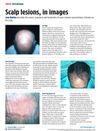 January 2015 in “Independent Nurse”
 Different scalp conditions can lead to hair loss or tumors, with treatments varying from creams to surgery; early detection is crucial.
 October 2014 in “Our Dermatology Online”
 Parents often know about skin care, but children with less educated, lower-income parents have more skin problems.
 August 2014 in “Springer eBooks”
 Certain gene mutations can weaken the skin barrier and, when combined with environmental factors, lead to eczema and severe itching.
 January 2012 in “Methods in pharmacology and toxicology”
 TRPV3 could be a target for treating pain, skin disorders, and hair problems, but more research is needed to create effective drugs.