September 2020 in “PubMed” The specialized protective cap improved recovery and satisfaction after hair transplant.
May 2024 in “Journal of Fungi” Tinea capitis in adults, especially postmenopausal Black women, needs prompt treatment with oral antifungals to avoid scarring.
 February 2026 in “International Journal of Research in Dermatology”
 Two adults with unusual scalp fungus symptoms were successfully treated.
16 citations
,
March 1991 in “International Journal of Dermatology” Tinea capitis is rare in healthy adults but should be considered in scalp issues.
July 2024 in “Indian Dermatology Online Journal” Tinea capitis can occur in adults and should be considered if scalp issues persist.
July 2024 in “Journal Archives of Health” Adults can get scalp fungal infections, needing quick treatment to prevent spread and hair loss.
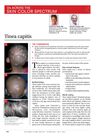 October 2022 in “The Journal of Family Practice”
 Tinea capitis is a scalp fungal infection in children that can cause hair loss, scaling, and other symptoms.
 10 citations
,
January 2016 in “Dermatology online journal”
10 citations
,
January 2016 in “Dermatology online journal” Adults with persistent scalp issues unresponsive to typical treatments should be tested for the fungal infection tinea capitis to start the right antifungal medication.
13 citations
,
October 2021 in “Actas Dermo-Sifiliográficas” Scalp cooling can help prevent hair loss during chemotherapy.
November 2021 in “CRC Press eBooks” Tinea capitis is a fungal infection of the scalp that mainly affects children and can cause symptoms from mild itching to severe inflammation.
 January 2018 in “Jaypee Brothers Medical Publishers (P) Ltd. eBooks”
 Scalp micropigmentation is a process where tiny dots of pigment are tattooed onto the scalp to create the appearance of a shaved head or fuller hair.
 35 citations
,
January 1996 in “Dermatologic clinics”
35 citations
,
January 1996 in “Dermatologic clinics” Tinea capitis is a common scalp infection causing hair loss, mostly in young children.
11 citations
,
March 2012 in “Actas Dermo-Sifiliográficas” Tinea capitis is increasingly common in elderly women and requires accurate diagnosis with fungal cultures for effective treatment.
May 2020 in “The Journal of Pediatrics” Tinea capitis can be quickly diagnosed and treated using dermoscopy to prevent hair damage.
27 citations
,
June 2011 in “Journal of Advanced Nursing” The penguin cap can help reduce hair loss in chemotherapy patients.
July 2019 in “Dermatologic Surgery” April 1946 in “Archives of Dermatology” One child resisted treatment, while the other was successfully treated for scalp ringworm.
 33 citations
,
December 2013 in “Journal of cutaneous pathology”
33 citations
,
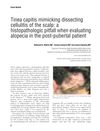
December 2013 in “Journal of cutaneous pathology” A fungal infection can look like a different scalp condition in teens, leading to wrong treatment until proper tests are done.
February 2023 in “مجلة التراث والتصميم” A well-designed cap can protect hair from weather pollutants and sun damage.
 August 2023 in “Authorea (Authorea)”
 Tinea capitis should be considered in adults with scalp issues for proper treatment.
46 citations
,
January 2002 in “Paediatric drugs” Tinea capitis, a scalp fungal infection in children, is best treated with newer antifungal agents for shorter periods.
3 citations
,
January 2002 in “Pediatric Drugs” Tinea capitis is a common scalp infection in children, treated with antifungal medications like griseofulvin, terbinafine, and fluconazole.
January 2023 in “Springer eBooks”  November 2023 in “Cermin Dunia Kedokteran”
 Tinea capitis can affect mental health, but treatment improves both health and well-being.
July 2025 in “Dermatologic Surgery” December 2025 in “Antibiotics” Tinea capitis in older adults is often misdiagnosed but can be effectively treated with antifungal therapy.
 1 citations
,
July 2023 in “Clinical case reports”
1 citations
,
July 2023 in “Clinical case reports” Tinea capitis should be considered for scalp infections in infants.
24 citations
,
August 2007 in “Journal of pediatric surgery” Surgery is not the right treatment for a fungal scalp infection; proper medical treatment is needed.
1 citations
,
January 2024 in “Journal of clinical medicine” Early recognition and treatment of tinea capitis are crucial to prevent severe scalp issues and prolonged therapy.
 January 2021 in “Mastology”
 Scalp cooling therapy helped over 80% of women keep at least half their hair during chemotherapy.