 September 2016 in “Princeton University Press eBooks”
 The document concludes that understanding health requires considering evolutionary perspectives on reproductive fitness, and recognizing the complexity of factors like diet, testosterone, and sexual orientation.
 September 2016 in “British Journal of Dermatology”
 Doctors need more training in skin cancer screening, a new treatment is effective for a skin condition, better diagnosis methods for skin cancer are available, hair loss in women may be linked to hormones and cholesterol, certain skin care products might cause hair loss, babies' skin gets weaker after birth, and a gene mutation might be linked to eczema.
 January 2012 in “S. Karger AG eBooks”
 The document concludes that transsexual individuals often experience improved quality of life after transitioning, despite higher risks of psychiatric issues and mortality.

Laser hair removal may cause skin changes that prevent hair regrowth.
 December 2010 in “Bariatric Nursing and Surgical Patient Care”
 Hair loss after bariatric surgery can be reduced by staying hydrated, eating enough protein, taking vitamins, managing stress, and possibly using biotin.
 November 2010 in “Value in Health”
 Using a call center to collect data in a trial for eye disease in diabetics led to high response rates and very little missing information.
 November 2007 in “Journal of Generic Medicines”
 Europe strengthened medicine regulations, increased protection against counterfeit drugs, and made it tougher to challenge comparative advertising, while also focusing on patent law enforcement and updating plant protection rules.
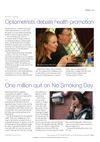 June 2007 in “Journal of The Royal Society for The Promotion of Health”
 Smoking doubles the risk of blindness, and physical exercise helps dyslexic children read better.
 January 1999 in “American Journal of Medical Genetics Part A”
 The report expanded knowledge of MBTPS1-related disorders by identifying new symptoms.

Cancer patients in sub-Saharan Africa face significant challenges during chemotherapy, highlighting the need for better patient care and support.
 February 2026 in “Journal of the Korean Society of Cosmetology”
 Seniors continue using hair-care services mainly due to satisfaction, hair-loss management, and improved self-esteem.
 April 2025 in “Otorhinolaryngology Clinics - An International Journal”
 Histopathological examination is crucial to avoid misdiagnosis and ensure proper treatment for skin lesions.
 December 2013 in “Praxis medica”
 Using both DLQI and Skindex-16 together gives a better understanding of quality of life in skin disease patients.
 2 citations
,
December 2020 in “Revista Colombiana de Bioética”
2 citations
,
December 2020 in “Revista Colombiana de Bioética” Research on transgender men needs clearer theories to improve understanding and decision-making.
 October 2023 in “Urologie in der Praxis”
 Primary care providers should understand Geschlechtsinkongruenz to offer better care for transitioning individuals.
Vaccination is crucial for public health, but anti-vaccine movements are a concern.
 36 citations
,
April 2017 in “journal of current ophthalmology”
36 citations
,
April 2017 in “journal of current ophthalmology” Good preoperative assessment is crucial for safe and effective eyelid and brow cosmetic surgery.
 26 citations
,
December 2016 in “Psychiatric Clinics of North America”
26 citations
,
December 2016 in “Psychiatric Clinics of North America” Testosterone therapy and surgeries like mastectomy improve transgender men's lives and mental health with low risks and high satisfaction.
 25 citations
,
November 2014 in “Ageing Research Reviews”
25 citations
,
November 2014 in “Ageing Research Reviews” Skin aging is caused by stem cell damage and can potentially be delayed with treatments like antioxidants and stem cell therapy.
 23 citations
,
January 1997 in “Computers and Composition”
23 citations
,
January 1997 in “Computers and Composition” To stop online sexism, both men and women need to change how they act.
 14 citations
,
January 2012 in “Endocrine development”
14 citations
,
January 2012 in “Endocrine development” The conclusion is that a thorough approach is needed to diagnose and manage hyperandrogenism in teenage girls, recognizing its major psychological and health effects.
 10 citations
,
August 2002 in “Sexualities”
10 citations
,
August 2002 in “Sexualities” The critique suggests that Wilton's work unintentionally supports the very stereotypes it aims to question and calls for a broader, more inclusive approach to understanding gender.
 4 citations
,
June 2013 in “The Journal of Rheumatology”
4 citations
,
June 2013 in “The Journal of Rheumatology” The document concludes that various findings in rheumatology offer insights into disease severity, treatment responses, and potential risks in medication, with some limitations due to unspecified participant numbers.
 February 2026 in “Editora Pasteur eBooks”
 A comprehensive, personalized approach is needed for treating female pattern hair loss and obesity, involving multiple medical disciplines and lifestyle changes.
 January 2023 in “Brazilian Journals Editora eBooks”
 Passiflora incarnata may help with anxiety but has risks and drug interactions.
There's a genetic link between Fragile X Syndrome and Autism Spectrum Disorder.
6.7% of urine cultures showed hospital-acquired urinary tract infections.
Children used screens more during COVID-19, causing various health complaints.
Autism Spectrum Disorder is often underdiagnosed in females.
Dissociative disorders in childhood sexual abuse victims are more common in males.
Most pregnant teenagers are not dissatisfied with their body image but worry about weight.
Diagnosing tuberculosis after knee surgery is challenging due to non-specific symptoms.
Post-COVID-19 syndrome is more common in older, severely affected patients.
Psychiatrists should be part of pain management teams due to the psychological aspects of pain.
2 citations
,
August 2024 in “Indian Dermatology Online Journal” Premature graying of hair is mainly caused by genetics, stress, and environment, with potential treatments being explored.
 October 2025 in “Research Square (Research Square)”
 Enhancing blood vessel interactions with hair cells may help treat hair loss and skin aging.
July 2020 in “Research Square (Research Square)” The study found key long non-coding RNAs involved in yak hair growth cycles.
 January 2026 in “Physical Education Health and Social Sciences”
 Combining probiotics, clotrimazole gel, and laser therapy improves treatment for recurrent yeast infections.
September 2025 in “Middle East Current Psychiatry” Caregivers of chronic skin disease patients face significant burdens that harm their quality of life.