5 citations
,
September 2022 in “Frontiers in Nutrition” Gut bacteria differences may help diagnose and treat Alopecia areata.
 April 2018 in “Journal of Investigative Dermatology”
 Acne patients' skin, both with and without lesions, shows a strong immune response and higher antimicrobial activity.
22 citations
,
April 2020 in “Frontiers in Cellular and Infection Microbiology” Alopecia areata may be linked to scalp microbiome differences, suggesting potential treatments with prebiotics, probiotics, and postbiotics.
 1 citations
,
August 2023 in “Austin Chemical Engineering”
1 citations
,
August 2023 in “Austin Chemical Engineering” Tofu whey improves foot skin health and supports sustainable cosmetics.
 3 citations
,
April 2022 in “Microorganisms”
3 citations
,
April 2022 in “Microorganisms” People with severe hair loss (Alopecia Areata) have different scalp bacteria than healthy people, which might help predict the condition's progress.
 June 2024 in “Journal of medical pharmaceutical and allied sciences”
 Orange pectin boosts probiotic growth, especially L. acidophilus.
3 citations
,
January 2024 in “3 Biotech” 16 citations
,
April 2021 in “Plant Signaling & Behavior” MYB30 and EIN3 work against each other to control root hair growth and phosphorus uptake in plants when phosphate is low.
 March 2026 in “Israel Journal of Plant Sciences”
 Endophytic bacteria in Eclipta prostrata help the plant tolerate stress and boost its medicinal properties.
 28 citations
,
January 2006 in “Journal of agricultural safety and health”
28 citations
,
January 2006 in “Journal of agricultural safety and health” Most Latino farmworkers in the study had skin diseases, with fungal infections being the most common.
1 citations
,
April 2021 in “IOP Conference Series Earth and Environmental Science” Two rice strains showed stable high yield and Zinc content in different climates.
10 citations
,
April 2017 in “Journal of Investigative Dermatology” The gut microbiome affects the development of alopecia areata.
4 citations
,
August 2025 in “Plant Cell & Environment” Azospirillum brasilense promotes root hair growth in Arabidopsis by increasing auxin and activating specific genes.
 May 2024 in “Journal of cosmetic dermatology”
 Heat-treated Limosilactobacillus fermentum with menthol, salicylic acid, and panthenol promotes hair growth and balances scalp microbiome in people with androgenetic alopecia.
 December 2023 in “Frontiers in microbiology”
 Mannan oligosaccharides improve raccoon dogs' fur quality and overall health.
7 citations
,
February 2005 in “Veterinary Dermatology” Horses with skin disease have more surface bacteria than healthy horses.
 2 citations
,
July 2023 in “Plant Disease”
2 citations
,
July 2023 in “Plant Disease” Some maize lines resist stalk rot better due to specific genes and enzyme activities.
Root hairs help us understand plant growth and the role of the actin cytoskeleton.
 February 2026 in “International Journal of Web of Multidisciplinary Studies”
 Restoring microbial balance and using exosome therapies may help treat hair disorders like alopecia and acne.
 June 2026 in “Reproduction and Fertility”
 PCOS involves microbiome and immune system issues, not just hormones.
 1 citations
,
January 2024 in “Journal of applied pharmaceutical science”
1 citations
,
January 2024 in “Journal of applied pharmaceutical science” Bacteria from Xylocarpus fruit can be used in hair creams to treat hair loss and fight infections.
June 2026 in “BMC Microbiology” Cyanoacrylate glue effectively reduces contamination in hair follicle samples.

MLO proteins are crucial for root hair growth by regulating calcium and ROS levels.
39 citations
,
May 2015 in “Advanced drug delivery reviews” MicroRNAs could improve skin tissue engineering by regulating cells and changing the skin's bioactive environment.
 November 2025 in “Research Review”
 Probiotics can help reduce acne and improve skin health.
 January 2016 in “Experimental Dermatology”
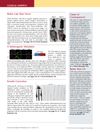
 New findings suggest potential treatments for melanoma, hyperpigmentation, hair defects, and multiple sclerosis, and show skin microbiome changes don't cause atopic dermatitis.
 February 2026 in “Zenodo (CERN European Organization for Nuclear Research)”
 Gut bacteria overgrowth may cause some Post-Finasteride Syndrome symptoms.
 June 2026 in “New Phytologist”
 Iron-dependent hormones help wheat roots adapt to temperature stress.
 6 citations
,
May 2022 in “Frontiers in Microbiology”
6 citations
,
May 2022 in “Frontiers in Microbiology” Marine microbes could be used in cosmetics for sun protection, skin care, and possibly preventing hair loss.
January 2026 in “Microorganisms” Bifidobacterium animalis subsp. lactis J12 helps reduce atopic dermatitis symptoms.