8 citations
,
August 2015 in “Experimental Dermatology” Hidradenitis suppurativa may involve gut and oral bacteria, suggesting targeted treatments could help.
15 citations
,
September 2018 in “Frontiers in Plant Science” BcFLA1 protein is crucial for root hair growth in response to low phosphate in Brassica carinata.
 March 2022 in “Research Square (Research Square)”
 A new growth medium doubles Malassezia restricta yield by using artificial sebum.
 4 citations
,
April 2021 in “Experimental Dermatology”
4 citations
,
April 2021 in “Experimental Dermatology” Antibiotics might affect hair growth by changing the bacteria in hair follicles.
 7 citations
,
September 2024 in “Applied Microbiology and Biotechnology”
7 citations
,
September 2024 in “Applied Microbiology and Biotechnology” Malassezia furfur lipids improve skin health at pH 6.
August 2024 in “Scientia Horticulturae” AMF initially inhibits but later promotes citrus root hair growth by regulating auxin levels.
 53 citations
,
April 2021 in “Cell Host & Microbe”
53 citations
,
April 2021 in “Cell Host & Microbe” Skin bacteria, specifically Staphylococcus aureus, help in wound healing and hair growth by using IL-1β signaling. Using antibiotics on skin wounds can slow down this natural healing process.
5 citations
,
October 2020 in “Food Science and Technology” Better hygiene is needed in handling dry salted shrimp to ensure safety.
2 citations
,
July 2025 in “Scientific Reports” Acinetobacter strain A1-4-2 can safely clean water pollutants.
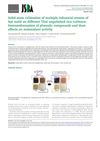 June 2024 in “Okayama University Scientific Achievement Repository (Okayama University)”
 Koji mold on unpolished Thai-colored rice boosts antioxidant activity more than on other rice types.
59 citations
,
October 2016 in “Clinics in dermatology” Precise skin sampling is crucial to understand the role of P. acnes in acne.
40 citations
,
September 2019 in “World journal of clinical cases” An elderly man's hair grew back after a treatment that transferred healthy gut bacteria.
 February 2026 in “Zenodo (CERN European Organization for Nuclear Research)”
 Gut bacteria overgrowth may cause some Post-Finasteride Syndrome symptoms.
71 citations
,
December 2010 in “Preventive Veterinary Medicine” Young dogs and cats in Western Turkey often have skin infections caused by fungi, especially Microsporum canis.
8 citations
,
November 2024 in “Journal of Neuroendocrinology” Gut bacteria affect steroid levels, influencing health conditions and potential treatments.
 82 citations
,
August 2017 in “Cell Reports”
82 citations
,
August 2017 in “Cell Reports” An imbalanced gut and lack of biotin can cause hair loss in mice.
1 citations
,
November 2022 in “Nutrients” Hair glucocorticoid levels and gut bacteria are linked to growth rates in piglets.

Indian hair is unique due to genetics and care practices, with specific scalp bacteria and fungi.
83 citations
,
March 1995 in “PLANT PHYSIOLOGY” The differentiation stage of root epidermal cells is crucial for root hair depolarization in Medicago sativa when exposed to specific Nod factors.
24 citations
,
January 2022 in “Journal of Nanobiotechnology” Quaternary ammonium iminofullerenes help maize roots grow better under stress by reducing oxidative damage.
 May 2020 in “International Journal of Engineering Applied Sciences and Technology”
 Bioactive plant materials like lemon, garlic, and neem effectively fight harmful bacteria.
January 2026 in “Biocell” Gut microbiota-derived exosomes could be effective natural carriers for targeted drug delivery in personalized medicine.
 5 citations
,
April 2023 in “BMC Microbiology”
5 citations
,
April 2023 in “BMC Microbiology” Shampoo with heat-killed Lacticaseibacillus paracasei GMNL-653 improves scalp health and hair growth by changing scalp bacteria.
January 2026 in “Advanced Healthcare Materials” The new bioreactor improves skin grafts by evenly stretching cells and monitoring conditions for better growth.
 January 2025 in “International Journal of Advanced Biochemistry Research”
 Microsporum spp. is the most common fungus causing skin infections in dogs.
 20 citations
,
February 2013 in “Nutrition”
20 citations
,
February 2013 in “Nutrition” Selenium-enriched green tea might be a safe prebiotic for gut health.
 November 2022 in “Journal of Education, Health and Sport”
 The skin's bacteria might influence the development of a hair loss condition called alopecia areata.
February 2026 in “Food Research International” Lactiplantibacillus plantarum ZJUIDS51 can help regrow hair and improve scalp health in androgenic alopecia.
4 citations
,
March 2022 in “BioEssays” Hydra can help understand human hair follicle microbiomes and develop new skin disease therapies.
 November 2023 in “Journal of Basic Microbiology”
 Green-synthesized zinc oxide nanoparticles effectively inhibit common fungi found on human scalp hair.