4 citations
,
July 2019 in “Experimental Dermatology” 2-deoxy D-glucose does not help with hair regrowth in alopecia areata.
 7 citations
,
December 2013 in “The Journal of Dermatology”
7 citations
,
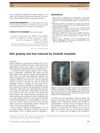
December 2013 in “The Journal of Dermatology” A woman's hair turned gray and fell out after starting a cancer drug called imatinib mesylate.
127 citations
,
August 2016 in “The oncologist” Understanding and managing side effects of hedgehog pathway inhibitors can improve treatment for advanced basal cell carcinoma.
3 citations
,
November 2024 in “Pediatric Dermatology” Selumetinib causes fewer and less severe skin issues in children than binimetinib.
May 2025 in “OPAL (Open@LaTrobe) (La Trobe University)” Targeting specific metabolic and ionic pathways may improve alopecia areata treatment.
11 citations
,
January 1999 in “Dermatology” 1 citations
,
April 2004 in “Cancer” Imatinib mesylate can cause skin lightening, especially in Chinese patients, due to its effect on pigment production.
18 citations
,
September 1979 in “DMW - Deutsche Medizinische Wochenschrift” Diane is effective for treating acne, seborrhoea, androgenic alopecia, and mild hirsutism in women.
7 citations
,
August 2024 in “Clinical and Experimental Dermatology” Upadacitinib is effective and safe for treating severe alopecia areata in teens.
 18 citations
,
July 2008 in “Current Oncology Reports”
18 citations
,
July 2008 in “Current Oncology Reports” EGFR cancer drugs often cause a rash, which can lead to distress and isolation, but may also improve outcomes for some cancer patients. Current treatments for the rash are limited, but a compound called menadione shows promise.
5 citations
,
December 2015 in “PubMed” Some gonadal hormone drugs can block filovirus entry into cells.
 7 citations
,
March 2018 in “Asian-Australasian journal of animal sciences”
7 citations
,
March 2018 in “Asian-Australasian journal of animal sciences” OCIAD2 and DCN genes affect hair growth in goats by having opposite effects on a growth signaling pathway and inhibiting each other.
3 citations
,
May 2025 in “Carbohydrate Polymers” The new microneedle patch effectively treats alopecia areata with fewer side effects than oral medication.
 59 citations
,
October 2012 in “Pharmaceutical Research”
59 citations
,
October 2012 in “Pharmaceutical Research” Squalene-based carriers improve delivery of a treatment to hair follicles for alopecia areata.
116 citations
,
December 2003 in “Acta Dermato Venereologica” Iressa often causes skin issues like acne and dryness in lung cancer patients.
6 citations
,
October 2023 in “JAAD Case Reports” Risankizumab may help manage symptoms of dissecting cellulitis of the scalp.
 March 2026 in “Clinical Cosmetic and Investigational Dermatology”
 Upadacitinib improved multiple immune-related conditions in one patient.
 9 citations
,
July 2017 in “Dermatologic Therapy”
9 citations
,
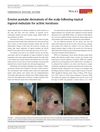
July 2017 in “Dermatologic Therapy” Two elderly men developed scalp inflammation after using a gel for skin lesions, which healed with treatment except for some permanent hair loss.
1 citations
,
July 2006 in “Journal of Investigative Dermatology” A 4kb fragment of the desmocollin 3 promoter targets gene expression to specific skin and hair follicle areas.
20 citations
,
February 2004 in “Clinical & Experimental Immunology” SADBE treatment led to complete hair regrowth in mice with alopecia areata by altering immune cell movement.
 11 citations
,
October 2019 in “Cancers”
11 citations
,
October 2019 in “Cancers” Spironolactone may make some cancer treatments more effective by blocking a protein that helps cancer cells survive.
 March 2026 in “Journal of Nanobiotechnology”
 A new microneedle treatment can effectively repigment skin in vitiligo.
 6 citations
,
October 1993 in “Endocrinology”
6 citations
,
October 1993 in “Endocrinology” Finasteride blocks progesterone production in specific tumor cells, potentially causing side effects.
 April 2024 in “Bioactive materials”
 New microneedle treatment with growth factors and a hair loss drug shows better and faster hair growth results than current treatments.
 April 2017 in “The journal of investigative dermatology/Journal of investigative dermatology”
 CD101 is highly effective in treating dermatophytosis in guinea pigs.
 April 2018 in “Journal of Investigative Dermatology”
 Ginsenoside Rd may help improve skin aging by increasing collagen in the skin.
81 citations
,
March 2006 in “Journal of Investigative Dermatology” Mutations in the DSG4 gene cause specific hair and scalp issues.
2 citations
,
May 2023 in “Biology” New mouse models of Pemphigus show severe symptoms and need better treatments.
5 citations
,
April 2017 in “The journal of investigative dermatology/Journal of investigative dermatology” The gene therapy showed significant wound healing and was safe for treating severe RDEB.
November 2023 in “Вопросы современной педиатрии” Genetic testing can diagnose hair loss linked to DSG4 gene variants.