13 citations
,
January 2014 in “Zhongguo zhongyao zazhi” Dendrobium candidum polysaccharides promote hair growth.
6 citations
,
December 2021 in “Journal of Cancer Research and Therapeutics” The treatment improved survival and controlled cancer spread but required managing side effects like rashes.
18 citations
,
April 1998 in “MIT Press eBooks” DMG-Na may improve blood flow and help hair growth without side effects.
April 2018 in “DSpace@MIT (Massachusetts Institute of Technology)” Nephronectin is linked to worse outcomes in breast cancer and helps cancer spread.
13 citations
,
July 2016 in “Indian Journal of Dermatology” DPR can show different hair characteristics, as seen in two brothers with normal hair.
 1 citations
,
May 2025 in “Journal of Digital Information Management”
1 citations
,
May 2025 in “Journal of Digital Information Management” VGG16 and VGG19 are the most accurate for classifying scalp and hair diseases.
1 citations
,
November 2024 in “Journal of Cutaneous and Aesthetic Surgery” This treatment effectively reduces dark circles by improving volume and skin quality.
 3 citations
,
October 2021 in “Research Square (Research Square)”
3 citations
,
October 2021 in “Research Square (Research Square)” The model can effectively help diagnose meibomian gland dysfunction automatically.
 50 citations
,
December 2011 in “Skin Research and Technology”
50 citations
,
December 2011 in “Skin Research and Technology” The algorithm effectively removes hair from skin images, improving melanoma diagnosis accuracy.
 February 2009 in “Journal of The American Academy of Dermatology”
 Fractional infrared technology is effective and safe for treating cervical laxity.
 10 citations
,
January 2013 in “Stem Cells and Development”
10 citations
,
January 2013 in “Stem Cells and Development” Scientists identified a unique type of human skin stem cell that could help with tissue repair.
 11 citations
,
July 2020 in “International Journal of Ayurvedic Medicine”
11 citations
,
July 2020 in “International Journal of Ayurvedic Medicine” Indigofera tinctoria leaf extract has many compounds that support its traditional medicinal uses.
 7 citations
,
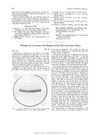
October 1963 in “Textile Research Journal”
7 citations
,
October 1963 in “Textile Research Journal” Merino wool fibers change shape with moisture, while human hair shape stays the same.
 April 2018 in “Journal of Investigative Dermatology”
 Nonmelanoma skin cancers have higher levels of certain osteopontin variants than normal skin.
January 2008 in “中山醫學大學醫學研究所學位論文” Danthron from Rhubarb causes melanoma cells to stop growing and die.
37 citations
,
February 2007 in “Experimental Dermatology” Increasing PDCD4 protein may help prevent or treat some skin cancers.
October 2025 in “Journal of Investigative Dermatology” Hair follicle dermal stem cells help control hair growth timing by regulating signals at the hair germ–dermal papilla interface.
1 citations
,
November 2022 in “Journal of Investigative Dermatology” ALRN-6924 may prevent hair loss caused by chemotherapy.
September 2023 in “Journal of the American Academy of Dermatology” 8 citations
,
June 2025 in “Stem Cell Research & Therapy” Exosome therapy may help treat diabetic nerve damage, but more research is needed.
4 citations
,
July 2024 in “Radiotherapy and Oncology” A standardized scoring system is needed to improve model reliability for predicting hair loss in brain tumor patients treated with proton therapy.
September 2024 in “The Journal of Dermatology” Nevus comedonicus can sometimes grow terminal hair, challenging previous beliefs.
24 citations
,
November 2003 in “Australasian Journal of Dermatology” A rare skin cancer caused hair loss and spread, needing multiple treatments.
 39 citations
,
December 2008 in “Clinics in Dermatology”
39 citations
,
December 2008 in “Clinics in Dermatology” Dermoscopy has improved skin cancer diagnosis and has expanding applications in dermatology, but requires staying updated with new research and techniques.

A person with a new mutation in the SCN1A gene developed brain inflammation after COVID-19.
4 citations
,
October 2021 in “Journal of Clinical Medicine” Carriers of a specific gene mutation have subtle skin changes without visible symptoms.
Loss of Dnmt3a and Dnmt3b increases aggressive skin tumors by affecting PPAR-γ.
January 2025 in “Repository of Digital Objects for Teaching Research and Culture (University of Valencia)” Non-coding RNAs may be key in diagnosing and treating rare skin disorders.
 January 2026 in “Nature Communications”
 A wearable device using NIR light may help treat hair loss non-invasively.
 October 2021 in “Journal of Investigative Dermatology”
 The study concluded that the developed models are effective for studying hair growth mechanisms and testing new treatments.