2 citations
,
May 2023 in “Biology” New mouse models of Pemphigus show severe symptoms and need better treatments.
 19 citations
,
December 2006 in “Archives of dermatology”
19 citations
,
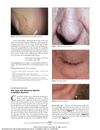
December 2006 in “Archives of dermatology” Hair casts and cutaneous spicules can be signs of multiple myeloma.
29 citations
,
October 2004 in “Differentiation” Multiple mouse desmoglein 1 isoforms have distinct roles in skin and hair development.
109 citations
,
April 1997 in “Archives of Dermatological Research” Mast cell and nerve fiber interactions in mouse skin change with the hair cycle.
62 citations
,
December 2007 in “Journal of biological chemistry/The Journal of biological chemistry” A specific chemical change in the S100A3 protein leads to the formation of a four-part structure important for hair formation.
December 2025 in “Advanced Healthcare Materials” The Spherical Skin Model improves drug and cosmetic testing by accurately mimicking human skin for efficient compound screening.

A new compound from Royoporus badius activates immune cells and induces inflammatory responses.
11 citations
,
July 2015 in “Journal of Anatomy” SLVs help maintain muscle stretch sensitivity and could aid in treating hypertension and muscle spasticity.
32 citations
,
May 1999 in “Biochemical and Biophysical Research Communications” A new enzyme, BSSP, is found in high amounts in the hair follicles of nude mice.
 5 citations
,
March 2019 in “Journal of lipid research”
5 citations
,
March 2019 in “Journal of lipid research” New probes were created to effectively measure specific enzymes involved in fat metabolism, which could help develop new drugs.
 1 citations
,
November 2023 in “Biomaterials advances”
1 citations
,
November 2023 in “Biomaterials advances” Sponges made of soy protein and β-chitin with human cells from hair or fat can speed up healing of chronic wounds.
April 2024 in “Molecules/Molecules online/Molecules annual” The composite sponge helps heal diabetic wounds by reducing inflammation and promoting new blood vessel growth.
 7 citations
,
February 2010 in “British Journal of Dermatology”
7 citations
,
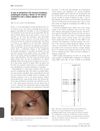
February 2010 in “British Journal of Dermatology” A woman with a rare autoimmune disorder had a blister on her eye and unique immune reaction, which was effectively treated with medication.
2 citations
,
May 2021 in “IOP Conference Series Earth and Environmental Science” IGF-1 boosts growth factor release from stem cells for potential regenerative therapy.
 April 2018 in “Journal of Investigative Dermatology”
 Desmoglein 3 organization in cell connections changes without calcium, affecting cell adhesion.
13 citations
,
November 2017 in “Neurotoxicity research/Neurotoxicity resarch” Sodium metabisulfite increases sodium channel activity, leading to higher cell excitability and potential damage.
 2 citations
,
January 2008 in “Journal of Society of Cosmetic Chemists of Japan”
2 citations
,
January 2008 in “Journal of Society of Cosmetic Chemists of Japan” PMS nanoparticles improve damaged hair by protecting and restoring its surface and color.
June 2026 in “Scientific Reports” Shorter alkyl shikimates boost skin cell growth, while longer ones can be harmful.
25 citations
,
November 2015 in “Journal of Dermatological Science” Sebum helps protect human skin from microbes.
4 citations
,
December 1989 in “The Journal of Dermatology” Human hair proteins have similar cysteine and glycine levels to skin proteins.
6 citations
,
September 2024 in “Cell Communication and Signaling” Cell junctions are crucial for healthy skin by supporting sebaceous gland function and sebum production.
 239 citations
,
December 2013 in “Scientific Reports”
239 citations
,
December 2013 in “Scientific Reports” A new method quickly creates controllable cell clusters for tissue engineering and drug testing.
21 citations
,
January 2023 in “International Journal of Molecular Sciences” S100A6 protein is linked to disease progression, especially in cancers.
6 citations
,
October 2011 in “ISRN Ophthalmology” Higher testosterone and dehydroepiandrosterone sulphate levels may help diagnose meibomian gland dysfunction.
5 citations
,
September 2009 in “Acta Ophthalmologica” Hyper-keratinisation in Meibomian glands contributes to gland dysfunction.
6 citations
,
June 1976 in “Journal of Investigative Dermatology” 47 citations
,
August 2016 in “American Journal Of Pathology” Fibroblast changes in systemic sclerosis may help understand disease severity and treatment.
9 citations
,
August 2023 in “Molecules” Two peptides, RMYYY and VMYMI, may be effective anti-inflammatory drugs.
 5 citations
,
January 2012 in “PubMed”
5 citations
,
January 2012 in “PubMed” Anti-MND antibodies are present in various diseases, not just PBC, and their levels don't correlate with disease activity or skin symptoms.
Encapsulating hair follicle cells in a special gel boosts their activity.