 42 citations
,
January 2017 in “Genes”
42 citations
,
January 2017 in “Genes” The gene KAP22-1 affects wool yield and fiber shape in sheep.
 January 2012 in “Journal of Investigative Dermatology”
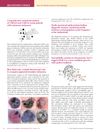
 Some Greek melanoma patients have gene mutations linked to increased cancer risk, a new color feature helps diagnose melanoma, the incidence of a skin condition in the Netherlands is rare, and a gene possibly affects male-pattern baldness.
 37 citations
,
February 2019 in “Experimental Dermatology”
37 citations
,
February 2019 in “Experimental Dermatology” Spiny mice are better at regenerating hair after injury than laboratory mice and could help us understand how to improve human skin repair.
305 citations
,
March 2008 in “AJP Endocrinology and Metabolism” SSAT is a key enzyme affecting cell growth and metabolism, with potential but risky use in disease treatment.
75 citations
,
October 1999 in “Differentiation” Mouse keratin 6 isoforms have different expression patterns in various tissues.
14 citations
,
October 2017 in “Gene Expression Patterns” A new mouse model helps study melanocyte cells using GFP expression.
 4 citations
,
May 2021 in “The journal of investigative dermatology/Journal of investigative dermatology”
4 citations
,
May 2021 in “The journal of investigative dermatology/Journal of investigative dermatology” ELL is crucial for gene transcription related to skin cell growth.
2 citations
,
January 2023 in “PubMed” Targeting FGF5 could help treat prostate cancer.
 April 2017 in “Journal of Investigative Dermatology”
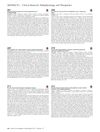
 HPH-15, a new compound, effectively reduces skin fibrosis in experiments without causing harm.
8 citations
,
June 2001 in “Journal of Biological Chemistry” A truncated protein linked to breast cancer may change cell adhesion.
30 citations
,
January 2013 in “Human Mutation” A mutation in the HOXC13 gene causes hair and nail problems in a Syrian family.
 April 2023 in “Journal of Investigative Dermatology”
 The research mapped gene activity in developing mouse skin and found key markers for skin cell types and changes from fetal to early postnatal stages.
 75 citations
,
October 2010 in “Mammalian genome”
75 citations
,
October 2010 in “Mammalian genome” Sphynx cats are hairless and Devon Rex cats have curly hair due to specific genetic mutations.
 2 citations
,
January 2017 in “Folia biologica”
2 citations
,
January 2017 in “Folia biologica” The KRTAP7-1 gene is very similar across different cattle and yak breeds and likely plays a role in hair strength and shape.
 1 citations
,
May 2023 in “European Journal of Human Genetics”
1 citations
,
May 2023 in “European Journal of Human Genetics” Rare ULBP3 gene changes may raise the risk of Alopecia areata, a certain FAS gene deletion could cause a dysfunctional protein in an immune disorder, and having one copy of a specific genetic deletion is okay, but two copies cause sickle cell disease.
91 citations
,
August 2019 in “Frontiers in Microbiology” RpoS helps Borrelia burgdorferi survive in hosts and adapt to different environments.
February 1989 in “PubMed” A genetic hair protein variant is more common in Japanese people and is inherited.
 42 citations
,
September 2015 in “Gene”
42 citations
,
September 2015 in “Gene” FGF5s can block the effects of FGF5, which may help control hair growth in cashmere goats.
18 citations
,
September 2018 in “The Journal of Agricultural Science” Genetic variation in the KRTAP15-1 gene affects wool yield in sheep.
19 citations
,
May 2001 in “Endocrinology” Mrp3 may aid in wound healing and hair growth.
January 2016 in “Memorial University Research Repository (Memorial University)” Hereditary hyperplastic gingivitis in silver foxes may be linked to errors in the MAPK signaling pathway, influenced by androgens.
 17 citations
,
October 2006 in “Molecular and Cellular Endocrinology”
17 citations
,
October 2006 in “Molecular and Cellular Endocrinology” The L457(3.43)R mutation in the human lutropin receptor causes increased activity and hormone insensitivity, leading to precocious puberty.
3 citations
,
January 2025 in “动物学研究” The gene GJA1 is important for regulating coarse hair density in goats.
March 2011 in “Open Archive (Karolinska Institutet)” The mouse model showed defects in adult stem cell maintenance related to Hutchinson-Gilford progeria syndrome.
30 citations
,
October 1999 in “Differentiation” Mutant MK6a transgenes in mice cause blistering, hair loss, and potential human alopecia.
1 citations
,
April 2025 in “Animals” The KRTAP13-3 gene affects wool fibre diameter variability in Chinese Tan sheep.
47 citations
,
July 2023 in “Nature Genetics” 14 citations
,
May 2017 in “Journal of Investigative Dermatology” A rare gene mutation causes skin fragility and itching without affecting hair or nails.
June 1996 in “Journal of Dermatological Science”  4 citations
,
February 2025 in “BMC Genomics”
4 citations
,
February 2025 in “BMC Genomics” Black wool in Qira sheep is linked to specific gene mutations, especially in the TYRP1 gene.