7 citations
,
March 2024 in “Skin Research and Technology” miR-200c-3p could help diagnose and treat alopecia areata.
January 1987 in “Toxicological sciences” SMR-2 and SMR-6 are much more toxic than retinoic acid, causing severe symptoms and organ damage in mice.
 24 citations
,
November 2008 in “Arquivos Brasileiros de Endocrinologia & Metabologia”
24 citations
,
November 2008 in “Arquivos Brasileiros de Endocrinologia & Metabologia” Four patients with a type of rickets and hair loss had different mutations in their vitamin D receptor gene, causing it to not work properly.
11 citations
,
October 2023 in “mSphere” PrrH sRNA controls pyochelin production in *Pseudomonas aeruginosa*.
October 2021 in “Postepy Dermatologii I Alergologii” No significant link was found between the studied genes and female hair loss in the Polish population.
 May 2015 in “Journal of Dermatological Science”
 Researchers found a new area on chromosome 2 linked to a genetic hair loss condition.
 2 citations
,
January 2023 in “BMC plant biology”
2 citations
,
January 2023 in “BMC plant biology” Scientists found new genetic areas that affect how rice root hairs grow and develop.
 August 2016 in “Journal of Investigative Dermatology”
 Blocking the CCR5 receptor may be a new way to treat hair loss from alopecia areata.
15 citations
,
January 1991 in “Mammalian Genome” 9 citations
,
May 2014 in “BMC medical genetics” A woman with a unique syndrome similar to TRPS has a genetic change near the TRPS1 gene, affecting its regulation.
March 2026 in “Adipocyte” Spt4 and Spt6 are essential for fat cell development.
 81 citations
,
July 2008 in “The Journal of Clinical Endocrinology and Metabolism”
81 citations
,
July 2008 in “The Journal of Clinical Endocrinology and Metabolism” Certain mutations in the H6PD gene cause Cortisone Reductase Deficiency by affecting hormone production.
1 citations
,
September 2023 in “Animals” A new goat gene affects cashmere fiber thickness; certain variations can make the fibers coarser.
 8 citations
,
April 2022 in “The journal of investigative dermatology/Journal of investigative dermatology”
8 citations
,
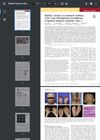
April 2022 in “The journal of investigative dermatology/Journal of investigative dermatology” Certain genetic changes in the LSS gene cause a rare skin and hair condition.
 1 citations
,
January 2025 in “Frontiers in Oncology”
1 citations
,
January 2025 in “Frontiers in Oncology” REV7 is crucial for genome stability and cancer treatment, making it a potential target for therapy.
 2 citations
,
October 1990 in “The Lancet”
2 citations
,
October 1990 in “The Lancet” Some people have a genetic variation that makes them less effective at breaking down drugs.
January 2026 in “Clinical and Experimental Dermatology” Ruxolitinib helped a patient with alopecia areata regrow hair.
 December 2023 in “American journal of medical genetics. Part A”
 A new syndrome was linked to two new genetic changes in the MBTPS1 gene in a 14-year-old girl.
7 citations
,
January 2025 in “Journal of Experimental & Clinical Cancer Research” PRMT5 inhibitors effectively fight adenoid cystic carcinoma in salivary glands.
January 2024 in “Kafkas Universitesi Veteriner Fakultesi Dergisi” A specific genetic variation affects wool quality in sheep.
47 citations
,
February 1998 in “Journal of bone and mineral research” A specific gene mutation causes vitamin D-resistant rickets and hair loss.
 2 citations
,
September 2022
2 citations
,
September 2022 The PER3 rs772027021 SNP may cause mild skin pigmentation changes in a new subtype of dyschromatosis universalis hereditaria.
 November 2022 in “Gigascience”
 A specific genetic deletion in goats affects cashmere yield and thickness.
9 citations
,
February 2022 in “Biomedicines” Testosterone treatment may change estrogen receptor methylation in AFAB individuals.
 February 2017 in “Cancer Causes & Control”
 Swedish men with the E213 A-allele of the androgen receptor have a lower risk of prostate cancer.
December 2004 in “SUNScholar (Stellenbosch University)” Certain genetic markers can indicate a person's risk of developing prostate cancer.
6 citations
,
July 1994 in “Journal of Dermatological Science” Introducing the rat OTC gene normalized hair growth in SPF-ASH mice.
July 2025 in “Clinical Case Reports” A new genetic mutation in the TRPS1 gene causes Trichorhinophalangeal Syndrome, leading to specific hair, dental, and bone issues.
 4 citations
,
December 2012 in “Human Biology”
4 citations
,
December 2012 in “Human Biology” The most different genetic segment between Africans and East Asians is the EDA2R/AR region, with two main types influenced by population changes and natural selection, and linked to baldness.
 10 citations
,
September 2015 in “PLoS ONE”
10 citations
,
September 2015 in “PLoS ONE” New mutations in the VDR gene cause vitamin D-resistant rickets without hair loss.