April 2019 in “Journal of Investigative Dermatology” Gut microbiota influences the development of alopecia areata.
 October 2017 in “Anesthesia and Pain Medicine”
 Repeated left stellate ganglion blocks may improve skin elasticity, water content, and hair follicle density on the treated side.
 2 citations
,
December 2024
2 citations
,
December 2024 The plant pathogen in Australia evolves through existing genetic variation, not new genotypes.
 June 2026 in “Studia Biologica”
 Felted wool in these sheep has more sweat and bacteria, altering its fatty acids and making it more prone to felting.
4 citations
,
March 1999 in “International Journal of STD & AIDS” Netherton's syndrome can cause frequent bacterial infections beyond just skin issues.
January 2015 in “Dépôt Institutionnel de lUniversité de Tlemcen” Citrullus colocynthis seed oil is suitable for edible use and has antimicrobial potential.
 47 citations
,
March 2022 in “Frontiers in cellular and infection microbiology”
47 citations
,
March 2022 in “Frontiers in cellular and infection microbiology” Changes in skin microbes play a role in some skin diseases and could lead to new treatments.
September 2022 in “Medical Mycology” Malassezia fungi may contribute to hair loss and inflammation in androgenetic alopecia.
3 citations
,
August 2025 in “Fermentation” The biosurfactant is eco-friendly, safe, and effective for cosmetics, offering benefits like anti-aging and hair growth.
1 citations
,
January 2023 in “Science Advances” The skin's microbiome helps hair regrow by boosting certain cell signals and metabolism.
March 2003 in “International Journal of Antimicrobial Agents”  1 citations
,
May 2025 in “Natural Products and Bioprospecting”
1 citations
,
May 2025 in “Natural Products and Bioprospecting” PEVIII is a promising treatment for Pseudomonas aeruginosa keratitis.
 April 2024 in “Frontiers in cellular and infection microbiology”
 Blue light might help treat skin conditions by affecting the skin's bacteria.
 April 2024 in “arXiv (Cornell University)”
 STITCH improves suture accuracy and efficiency, especially with human help.
April 2016 in “The journal of investigative dermatology/Journal of investigative dermatology” Activating Sonic Hedgehog signaling in cancer stroma may help treat basal cell carcinoma.
 July 2023 in “Research Square (Research Square)”
 Certain gut bacteria may protect against alopecia areata, while others may increase the risk.
 June 2026 in “Barind Medical College Journal”
 Misuse of topical steroids worsens skin infections, causing unusual and severe symptoms.
 January 2022 in “Yonago Acta Medica”
 A woman got a skin condition from misusing a steroid cream, which improved after she stopped using it and started a new treatment.
 October 2021 in “Journal of Investigative Dermatology”
 The COVID-19 pandemic has led to more severe cases of Leprosy due to delayed medical care.
June 2026 in “British Journal of Dermatology” Better understanding of alopecia areata can reduce stigma and improve personal control.
 86 citations
,
May 2008 in “Cytokine & growth factor reviews”
86 citations
,
May 2008 in “Cytokine & growth factor reviews” TNF family proteins are crucial for the development of skin features like hair, teeth, and mammary glands.
 6 citations
,
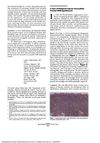
November 1996 in “Archives of Dermatology”
6 citations
,
November 1996 in “Archives of Dermatology” A man's relapsed leprosy was successfully treated with the antibiotic sparfloxacin.
 November 2024 in “Fermentation”
 Fermented ginsenosides from kimchi bacteria may promote hair growth better than finasteride.
January 2024 in “IntechOpen eBooks” Honeybees face serious threats from various diseases, but beekeepers use several methods to manage and control them.
August 2025 in “Rare Metals” Metformin/dopamine-derived carbon dots help heal bacteria-infected wounds faster.
47 citations
,
April 2021 in “BMC Medical Genomics” Certain gene variants can influence acne risk and severity.
February 2022 in “Institutional Repositories DataBase (IRDB)” Improper steroid use can cause skin issues like rosacea, which may improve after stopping the steroid and using benzoyl peroxide.
26 citations
,
December 1979 in “Journal of Cutaneous Pathology” Seborrheic keratoses may partly come from hair follicle cells.
19 citations
,
April 2021 in “Stem Cell Research & Therapy” SVF cell transplantation improves skin regeneration safely.
5 citations
,
April 2023 in “Bioengineering & Translational Medicine” STAR particles are safe, comfortable, and effective for enhancing drug delivery through the skin.