November 2025 in “JPRAS Open” Exosome therapy could help with hair loss, but more research and regulation are needed.
 January 2024 in “Surgical & Cosmetic Dermatology”
 Exosomes may help treat skin diseases and improve skin rejuvenation.
 September 2025 in “PubMed”
 Combining microneedling with drugs and stem cells shows promise for improving hair growth in androgenetic alopecia.
January 2025 in “Multimedialen Archiv und Publikationsserver der Christian-Albrechts-Universität zu Kiel (Christian-Albrechts-Universität zu Kiel)” Oxidized LDL reduces cell growth but affects stem cell differentiation less negatively than cytokine-induced inflammation.
9 citations
,
February 2025 in “Journal of Nanobiotechnology” Biomimetic nanovesicles can speed up diabetic wound healing by regulating immune cell behavior and metabolism.
 June 2023 in “Juan Cuevas eBooks”
 Personalized care and evaluation are crucial for successful plastic surgery outcomes.
 July 2023 in “Stem Cells Translational Medicine”
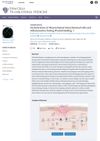
 Mesenchymal Stem/Stromal Cells (MSCs) help in wound healing and tissue regeneration, but can also contribute to tumor growth. They show promise in treating chronic wounds and certain burns, but their full healing mechanisms and potential challenges need further exploration.
13 citations
,
February 2023 in “Biology” Cell extracts may effectively and safely repair radiation-damaged salivary glands.
2 citations
,
December 2024 in “Neural Regeneration Research” Exosome therapy could revolutionize stroke treatment, but more research is needed for human use.
 May 2023 in “International Journal of Molecular Sciences”
 Mesenchymal stem cells could help treat radiation-induced bladder damage but more research is needed to overcome current limitations.
1036 citations
,
August 2019 in “Cells” Mesenchymal stem cells can help repair body tissues with low risk of rejection.
October 2025 in “International Journal of Molecular Sciences” Stem cells have great potential for treating various medical conditions.
387 citations
,
May 2019 in “International Journal of Molecular Sciences” Adipose-derived stem cells are promising for regenerative medicine due to their accessibility, versatility, and low risk of immune rejection.
 306 citations
,
April 2019 in “International Journal of Molecular Sciences”
306 citations
,
April 2019 in “International Journal of Molecular Sciences” The skin has a complex immune system that is essential for protection and healing, requiring more research for better wound treatment.
 70 citations
,
August 2020 in “Nanomaterials”
70 citations
,
August 2020 in “Nanomaterials” Electrospun nanofibers show promise for enhancing blood vessel growth in tissue engineering but need further research to improve their effectiveness.
 March 2026 in “Frontiers in Medicine”
 Different types of alopecia cause hair loss due to immune system issues, with some allowing regrowth and others causing permanent loss.
November 2025 in “Journal of Pharmacy and Pharmacology” PEDF reduces oxidative damage and supports stem cells.
22 citations
,
November 2024 in “Bioactive Materials” 3D bioprinting with special hydrogels helps heal wounds and grow new blood vessels.
 June 2026 in “Revista Brasileira de Saúde”
 Exosomes could help treat hair loss, but more research and standardization are needed.
 February 2025 in “Theranostics”
 3D bioprinting with special hydrogels can create artificial skin that heals wounds and regrows hair in mice.
May 2024 in “International Journal of Molecular Sciences” Mouse hair follicle stem cells can help prevent Type 1 Diabetes.
6 citations
,
December 2024 in “International Journal of Biological Macromolecules” The hydrogel improves burn healing by promoting tissue growth and reducing inflammation.
124 citations
,
November 2019 in “International Journal of Molecular Sciences” Standardized kits improve the quality and consistency of isolating stem cells from fat tissue.
6 citations
,
April 2023 in “International Journal of Endocrinology” Mesenchymal stem cells could help treat diabetes and its complications by improving insulin function and reducing inflammation.
2 citations
,
January 2024 in “Journal of Personalized Medicine” Combining stem cells with platelet-rich plasma improves bowel healing in rats.
 December 2024 in “Molecules”
 Bovine milk-derived exosomes may improve skin, hair, gut, brain, and bone health.
Extracellular vesicles could help treat hair loss by influencing hair growth cycles.
3 citations
,
July 2025 in “Current Issues in Molecular Biology” Dental pulp stem cells can help heal skin and mucosal wounds effectively.
 2 citations
,
May 2024 in “European journal of medical research”
2 citations
,
May 2024 in “European journal of medical research” A special medium from stem cells significantly boosts hair growth and could help treat hair loss.
April 2026 in “Skin Appendage Disorders” Exosome therapy shows promise for treating hair loss but needs more research and standardization.