 95 citations
,
November 2018 in “Australasian journal of dermatology”
95 citations
,
November 2018 in “Australasian journal of dermatology” Alopecia areata treatment varies, with no optimal method established yet.
91 citations
,
August 2024 in “Acta Pharmaceutica Sinica B” Microneedles can improve skin disease treatment by delivering drugs directly through the skin.
 87 citations
,
March 2014 in “Biochimica et Biophysica Acta (BBA) - Molecular and Cell Biology of Lipids”
87 citations
,
March 2014 in “Biochimica et Biophysica Acta (BBA) - Molecular and Cell Biology of Lipids” Cholesterol sulfate buildup due to a genetic mutation disrupts the skin barrier, leading to the scaling skin seen in X-linked ichthyosis.
 86 citations
,
February 2009 in “Journal of Neuroscience”
86 citations
,
February 2009 in “Journal of Neuroscience” Pregnancy increases certain GABAA receptors in rat brains, influenced by steroid levels.

research Acne
81 citations
,
January 2002 in “American journal of clinical dermatology” Hormonal treatments can help with acne, especially in women, by lowering androgen levels or blocking their effects.
 78 citations
,
April 1994 in “Archives of dermatology”
78 citations
,
April 1994 in “Archives of dermatology” The study found that Keratosis Pilaris Atrophicans is a genetic skin condition that starts in childhood, involves inflammation and scarring, and current treatments are only somewhat effective.
 72 citations
,
October 1998 in “Baillière's clinical endocrinology and metabolism”
72 citations
,
October 1998 in “Baillière's clinical endocrinology and metabolism” Long-term testosterone therapy can cause hormone suppression, affect prostate and heart health, and alter physical characteristics, but does not increase prostate cancer risk and needs more research for full risk assessment.
61 citations
,
April 2023 in “Bioactive Materials” Microneedles are effective for painless drug delivery and promoting wound healing and tissue regeneration.
 55 citations
,
August 2008 in “Reviews in endocrine and metabolic disorders”
55 citations
,
August 2008 in “Reviews in endocrine and metabolic disorders” Nonclassic adrenal hyperplasia is a genetic condition that can cause early puberty and fertility problems, treated with specific steroids.
 49 citations
,
January 2003 in “Clinical and Experimental Dermatology”
49 citations
,
January 2003 in “Clinical and Experimental Dermatology” The document concludes that post-menopausal frontal fibrosing alopecia is a poorly understood condition that does not respond well to common treatments.
 49 citations
,
November 1992 in “Archives of dermatology”
49 citations
,
November 1992 in “Archives of dermatology” Different treatments for alopecia areata have varying success rates and side effects; intralesional steroids are most effective.
 48 citations
,
February 2025 in “Nano-Micro Letters”
48 citations
,
February 2025 in “Nano-Micro Letters” Microneedles offer a promising, painless way to treat skin diseases but need improvements for better use.
48 citations
,
January 2024 in “Frontiers in Pharmacology” Improving topical drug delivery involves overcoming skin barriers and using personalized dosing to enhance effectiveness.
 47 citations
,
June 2014 in “Journal of Dermatological Treatment”
47 citations
,
June 2014 in “Journal of Dermatological Treatment” Most treatments for lichen planopilaris were found to be generally unsatisfactory.
 46 citations
,
September 2016 in “Clinical, Cosmetic and Investigational Dermatology”
46 citations
,
September 2016 in “Clinical, Cosmetic and Investigational Dermatology” Hormonal treatments are effective for severe or persistent acne and should be used with other acne therapies, considering potential side effects.
 46 citations
,
January 2015 in “Pediatric Rheumatology”
46 citations
,
January 2015 in “Pediatric Rheumatology” Skin symptoms are important for diagnosing and managing juvenile-onset systemic lupus erythematosus and usually get better with treatment.
 42 citations
,
January 1998 in “BioDrugs”
42 citations
,
January 1998 in “BioDrugs” Azathioprine's effectiveness and safety require careful monitoring and more research, especially regarding its use with corticosteroids and the role of TPMT status in patients.
41 citations
,
March 2016 in “The Journal of Clinical Endocrinology & Metabolism” In STSD patients, the body compensates for low androgen levels by increasing another enzyme's activity.
 37 citations
,
April 2019 in “Journal of The American Academy of Dermatology”
37 citations
,
April 2019 in “Journal of The American Academy of Dermatology” Some treatments like intralesional steroids and 5α-reductase inhibitors are effective for frontal fibrosing alopecia, but more research is needed.
 37 citations
,
September 2018 in “Psychoneuroendocrinology”
37 citations
,
September 2018 in “Psychoneuroendocrinology” Finasteride treatment in male rats causes long-lasting effects on depression-like behavior, brain cell growth, inflammation, and gut bacteria composition.
 37 citations
,
September 2003 in “Journal of Medicinal Chemistry”
37 citations
,
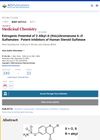
September 2003 in “Journal of Medicinal Chemistry” A substance called Compound 2g can strongly block STS (a hormone-related enzyme) without affecting estrogen levels, making it potentially good for treating breast cancer.
 36 citations
,
June 2017 in “Journal of Cutaneous Medicine and Surgery”
36 citations
,
June 2017 in “Journal of Cutaneous Medicine and Surgery” The consensus document recommends a comprehensive treatment plan for Hidradenitis Suppurativa, including various medications, surgery, lifestyle changes, and the need for more research and resources.
 35 citations
,
January 2013 in “Indian Journal of Dermatology, Venereology and Leprology”
35 citations
,
January 2013 in “Indian Journal of Dermatology, Venereology and Leprology” Intralesional triamcinolone acetonide is effective for treating patchy hair loss, and dermoscopy helps detect treatment response and side effects early.
 34 citations
,
December 1991 in “Annals of the New York Academy of Sciences”
34 citations
,
December 1991 in “Annals of the New York Academy of Sciences” The conclusion is that small hair follicles cause baldness in macaques, and treatments like antiandrogens and minoxidil can prevent hair loss and promote regrowth.
 33 citations
,
August 2006 in “Journal der Deutschen Dermatologischen Gesellschaft”
33 citations
,
August 2006 in “Journal der Deutschen Dermatologischen Gesellschaft” Pregnancy can cause specific skin conditions that need correct diagnosis and treatment to protect both mother and baby.
 30 citations
,
May 2014 in “American Journal of Clinical Dermatology”
30 citations
,
May 2014 in “American Journal of Clinical Dermatology” The conclusion is that better understanding and more research are needed to effectively manage follicular and scarring disorders in skin of color, with an emphasis on patient education and cultural awareness.
 29 citations
,
March 2019 in “JEADV. Journal of the European Academy of Dermatology and Venereology/Journal of the European Academy of Dermatology and Venereology”
29 citations
,
March 2019 in “JEADV. Journal of the European Academy of Dermatology and Venereology/Journal of the European Academy of Dermatology and Venereology” Older age at onset of alopecia areata leads to less severe and shorter episodes, with most patients experiencing significant hair regrowth.
 29 citations
,
August 2008 in “Current Opinion in Pediatrics”
29 citations
,
August 2008 in “Current Opinion in Pediatrics” Hair loss in teenagers is hard to treat and lacks a cure, with some treatments available depending on the type of hair loss.
 28 citations
,
October 1978 in “Archives of dermatology”
28 citations
,
October 1978 in “Archives of dermatology” Corticosteroids may effectively regrow hair in Alopecia Totalis with manageable side effects.
 27 citations
,
January 1984 in “Pharmacology & Therapeutics”
27 citations
,
January 1984 in “Pharmacology & Therapeutics” Antiandrogens have important biological effects, but more research is needed to understand them fully and compare their effectiveness and side effects to other treatments.